
In the world of landscape photography, the "Holy Trinity" used to be the 14-24mm, 24-70mm, and 70-200mm. However, since the birth of the Nikon Z system, a new, more powerful trio has emerged, covering all the focal lengths from 14mm all the way to 400mm with just 3 lenses!
In my opinion, the Nikon Z 14-24mm f/2.8 S, Nikon Z 24-120mm f/4 S, and Nikon Z 100-400mm f/4.5-5.6 VR S represent the ultimate kit. Together, they offer a seamless range from 14mm to 400mm with zero compromises in image quality. Here is why this specific trio is all you will ever need.
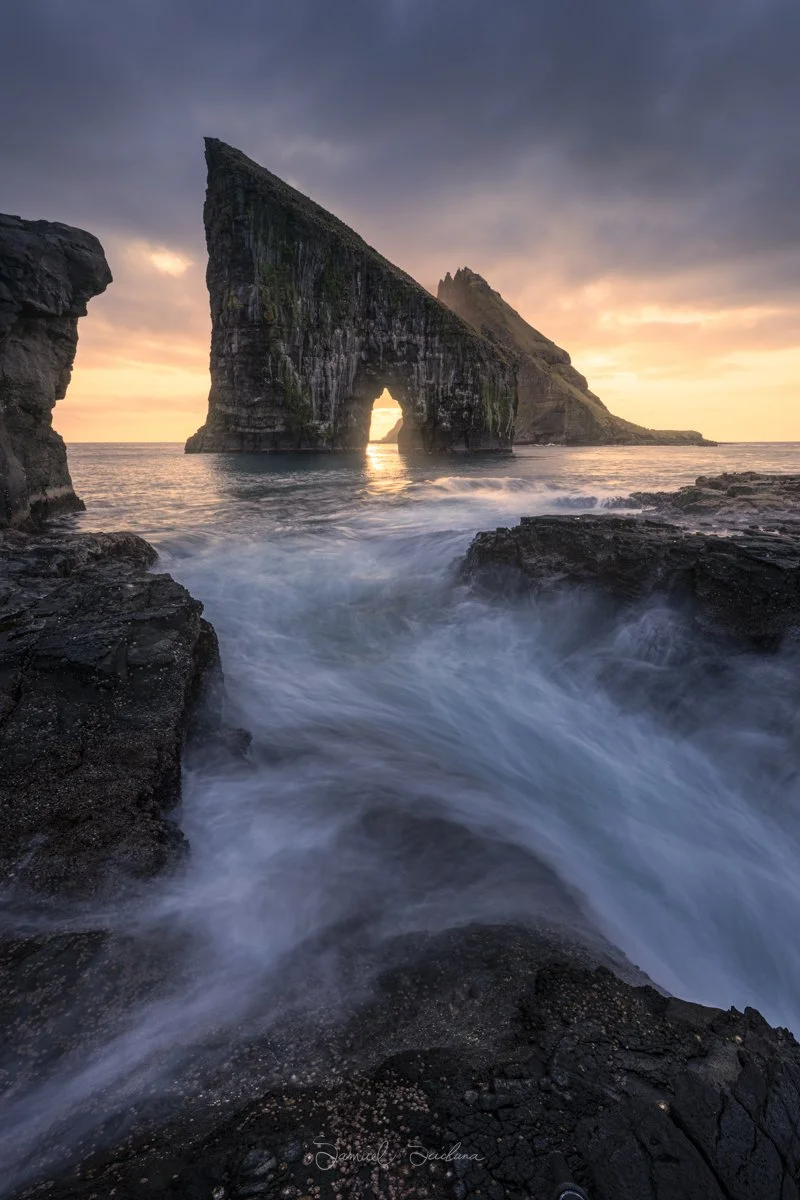
Shot on the Nikon Z 14-24mm F2.8 S
1. The Ultra-Wide Master: Nikon Z 14-24mm f/2.8 S
While the previous F-mount version was a legend, the Z-mount successor is a miracle of engineering. It is significantly lighter and, for the first time, allows for the use of standard screw-in filters via its dedicated hood.
Why it’s essential: 14mm is the sweet spot for "big" landscapes—think the sweeping basalt columns of Iceland or the towering peaks of the Dolomites.
The f/2.8 Advantage: Unlike the f/4 version, this lens is a beast for astrophotography. If you want to capture the Milky Way or the Northern Lights with pin-sharp stars, that extra stop of light is non-negotiable.
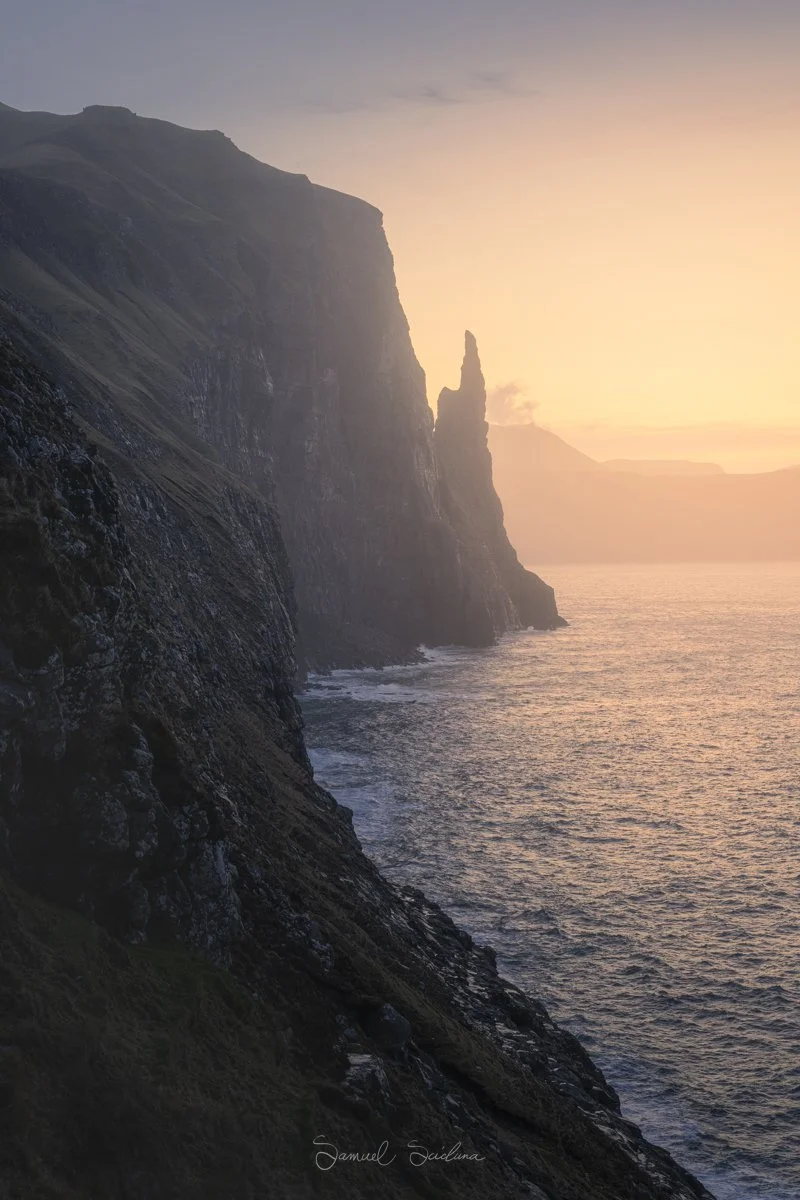
Shot on the Nikon Z 24-120mm F4 S
2. The Workhorse: Nikon Z 24-120mm f/4 S
If you could only take one lens on a hike, this is it. It replaces the traditional 24-70mm by offering an extra 50mm of reach without sacrificing the "S-Line" optical excellence.
Why it’s essential: The 70-120mm range is often overlooked but is vital for "mid-range" landscapes where you want to isolate a specific grove of trees or a distant waterfall without losing the context of the surroundings.
Macro Capabilities: It has a surprisingly close minimum focus distance, allowing you to capture intimate nature details (like frost on a leaf or alpine flowers) as you hike between vistas.
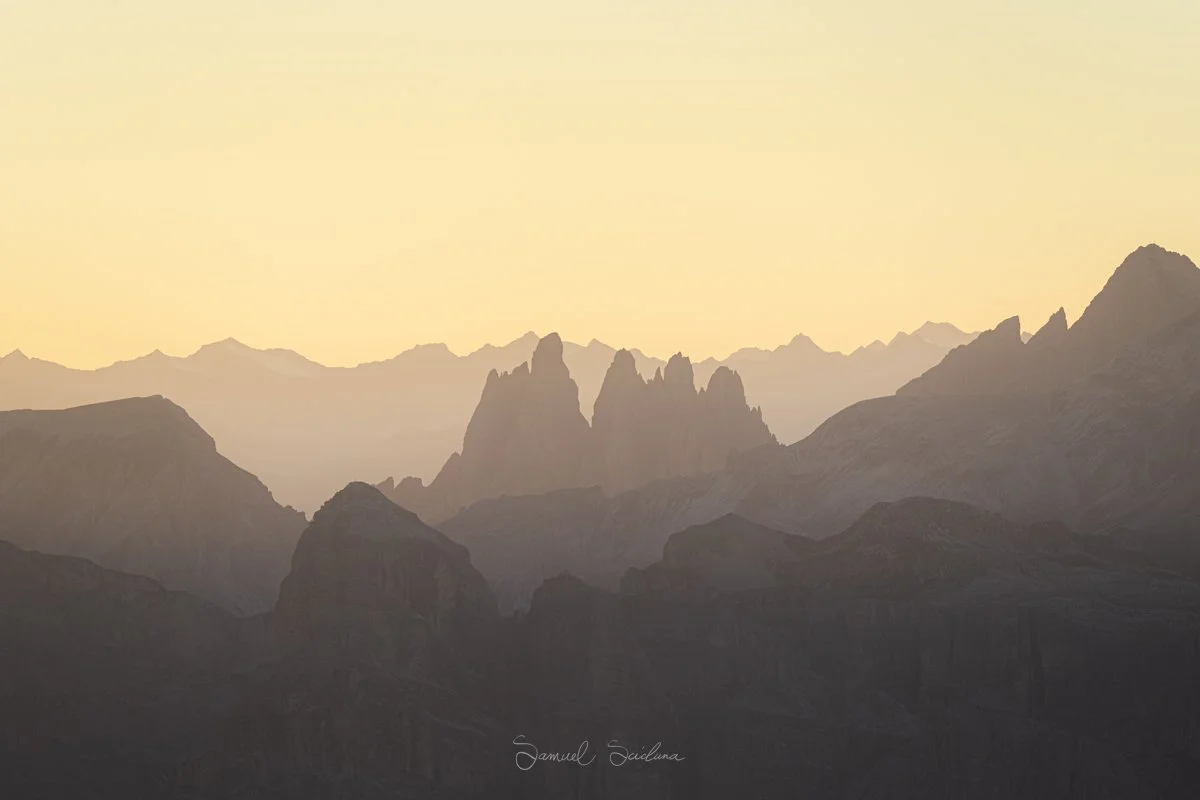
Shot on the Nikon Z 100-400 F5.6-6.3 S
3. The Compressed Vision: Nikon Z 100-400mm f/4.5-5.6 VR S
Many beginners think landscapes are only shot with wide-angle lenses. Professionals know that some of the best shots happen at 400mm.
Why it’s essential: Telephoto lenses "compress" a scene. They make distant mountain ranges look massive and imposing behind a foreground subject. At 400mm, you can pick out abstract patterns in sand dunes or rock faces that are invisible to the naked eye.
The 70-200mm Killer: For many, this has replaced the 70-200mm f/2.8. In landscape photography, we usually shoot at f/8 or f/11 for depth of field, making the f/2.8 aperture unnecessary. The extra 200mm of reach is far more valuable than a wide aperture you won't use.
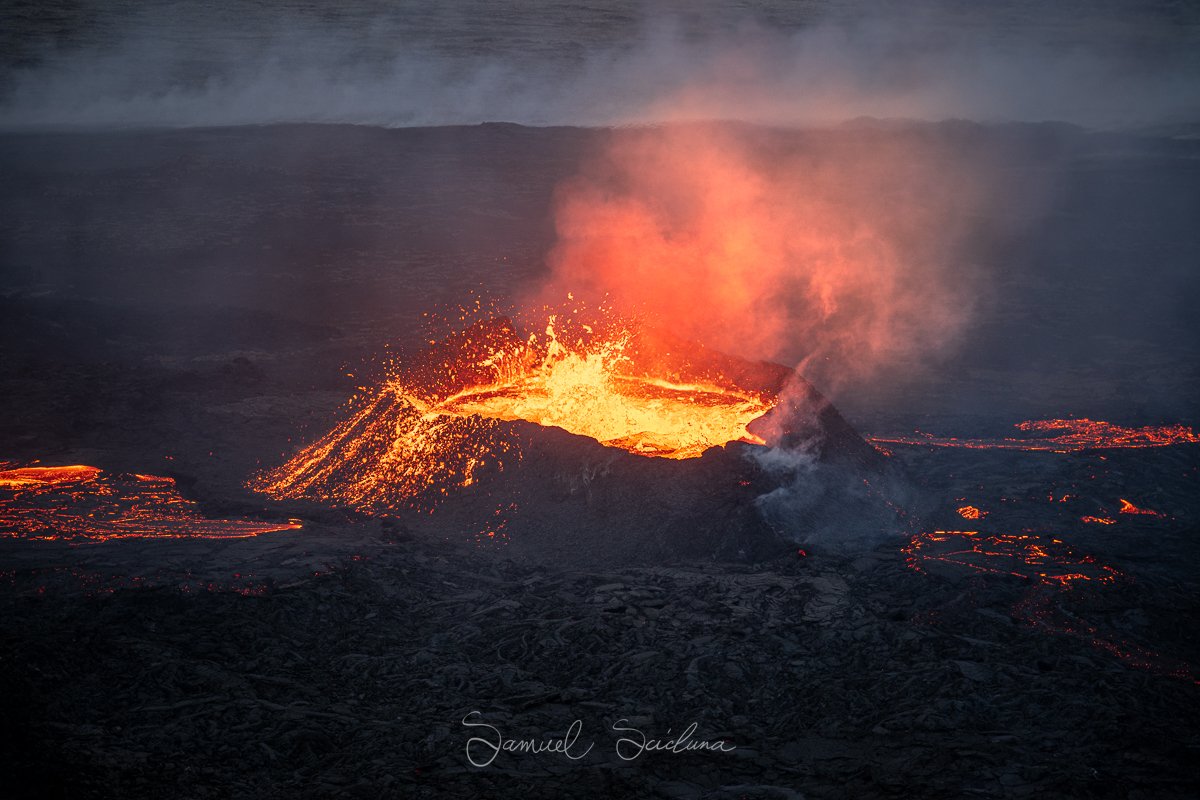
Shot on the Nikon Z 100-400mm F5.6-6.3 S
Why This Trio Wins
Total Coverage: You have every focal length from ultra-wide (14mm) to super-telephoto (400mm). There is no gap in your vision.
Filter Consistency: The 24-120mm and 100-400mm both share a 77mm filter thread, meaning you only need one set of high-quality circular polarizers or ND filters for two-thirds of your bag.
Weight Efficiency: Despite the massive reach, this kit is remarkably light for the professional performance it delivers. You can fit all three into a medium-sized hiking pack and still have room for your technical clothing and food.
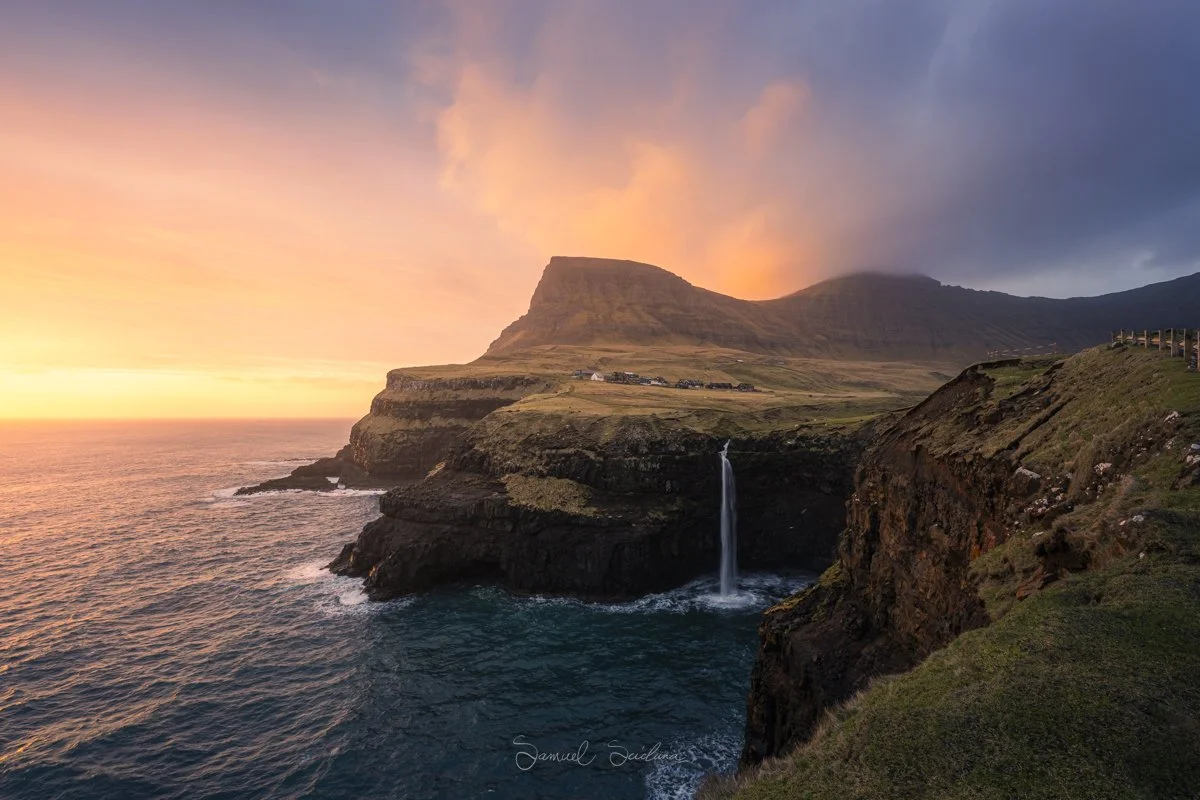
Shot on Nikon Z 14-24mm F2.8 S
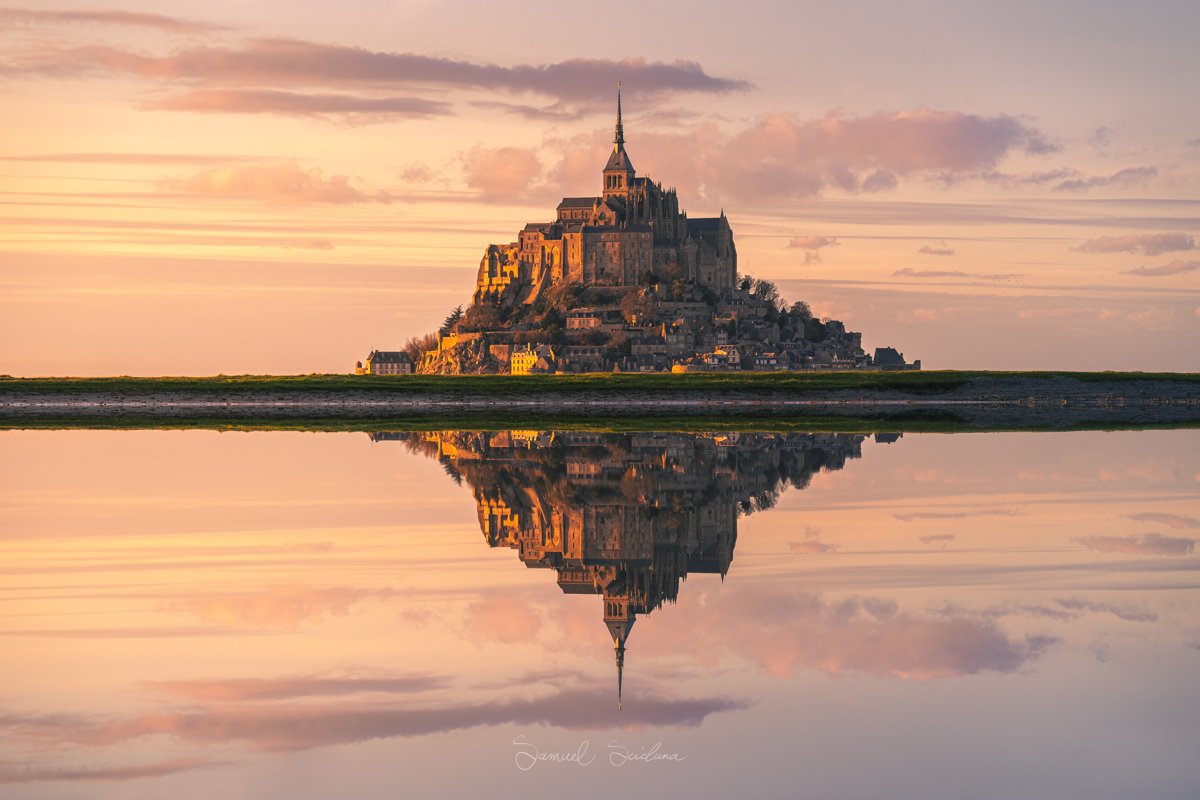
Shot on Nikon Z 24-120mm F4 S