
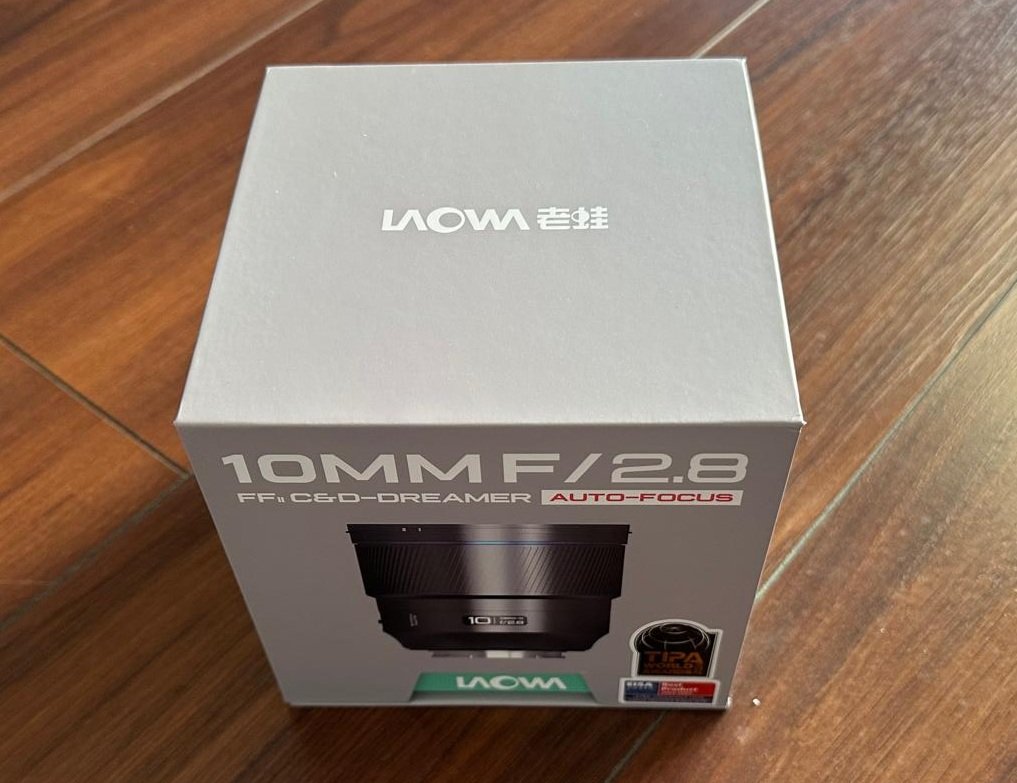
Laowa has a range of amazing lenses, but until now, they have all been manual focus lenses that do not communicate with the camera. The Laowa 10mm f/2.8 Zero-D has just broken that trend, being the first Laowa lens to feature autofocus and communicate with the camera. I will start by saying that this lens is not for everyone, but a reasonably priced 10mm F2.8 lens has been on most landscape photographers’ wish lists for many, many years!
I have spent 12 months testing this lens in various conditions, and I have to say that I have come to love this lens!
Design
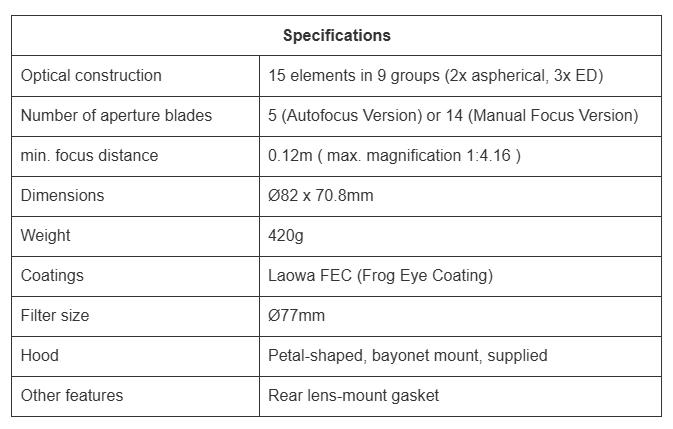
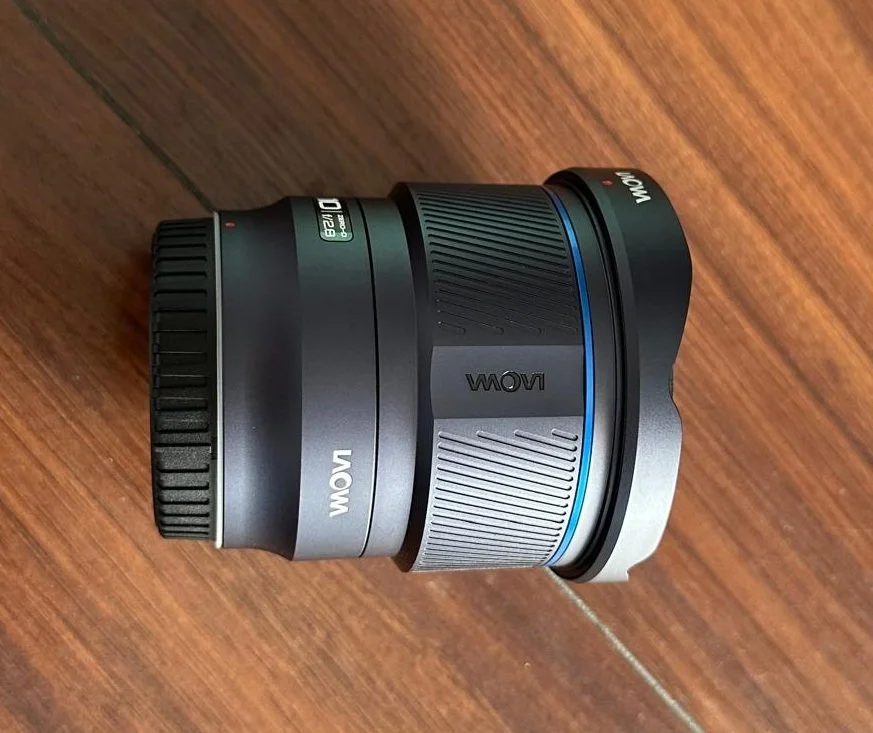
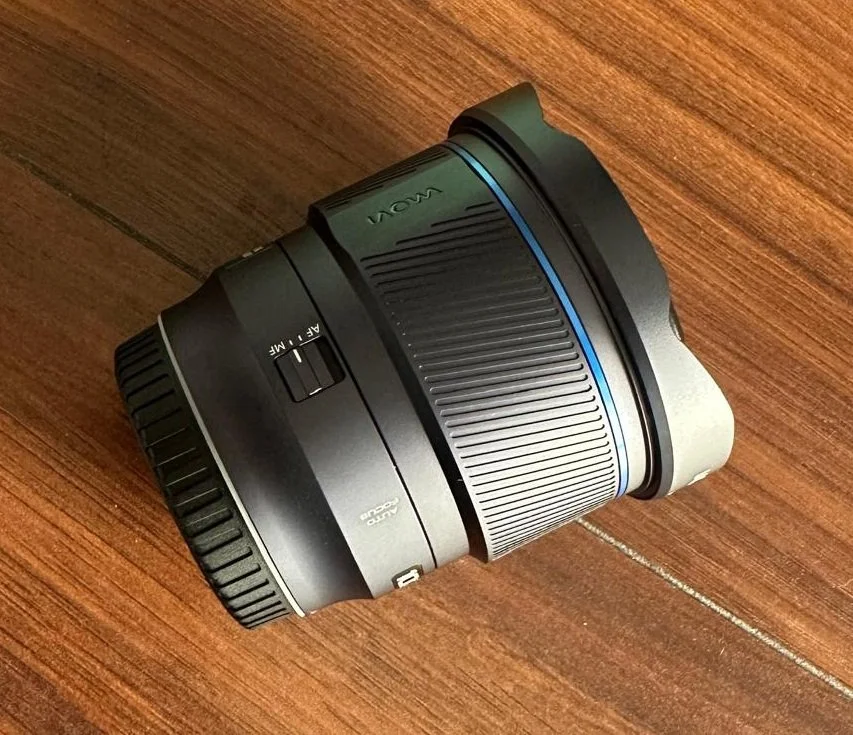
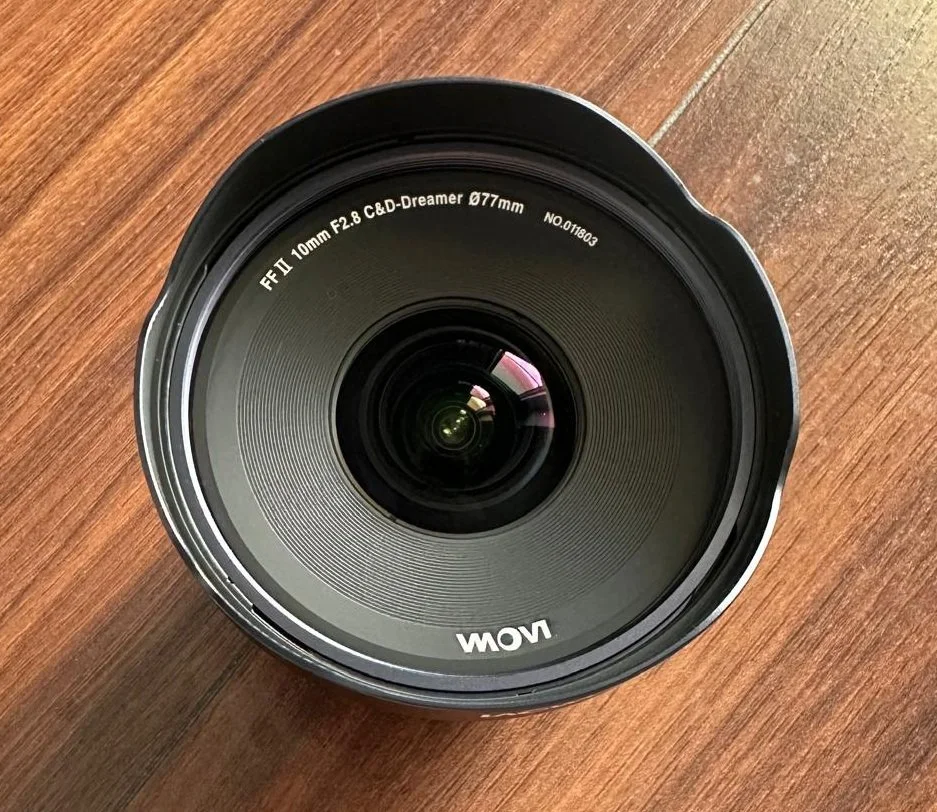
The Laowa 10mm f/2.8 Zero-D FF autofocus lens is a super compact lens. It measures just 72.8 mm in length and 82 mm in diameter. It is made almost entirely from aluminum and weighs just 420 grams. The lens has an AF/MF switch and a wide focusing ring, which is also made from aluminum. The included aluminum lens hood is removable, which is especially handy if you plan to use filters with this lens. Compared to other ultra-wide-angle lenses, the front element of this lens is quite small and not bulbous, meaning it can be used with regular 77 mm filters.





Focus
Ultra-wide-angle lenses tend to be quite forgiving when it comes to incorrect focus, purely because of their incredibly long depth of field. I have rarely had to focus stack with this lens, as most of the image is perfectly sharp, especially when stepping down to F8.
The autofocus is smooth and quiet, it’s certainly not the fastest focusing lens in my arsenal, but it doesn’t need to be either….
When focusing manually, the focus ring is super smooth to rotate and well-damped. There are no hard stops, but the effective rotation of the ring is around 180 degrees.
This lens is fantastic for getting really close to your foreground subject, with a minimum focus distance of just twelve centimeters!
Bokeh
A 10mm lens can’t really give you great bokeh due to its depth of field. Thus, if you want to achieve some bokeh effect, you have to go close, really close. The blur smoothness is quite good for such a lens, although expect some smearing near the corners.
MTF (resolution)
The resolution characteristic is a bit of a mixed bag – as you would expect from such an extreme lens. The center performance is perfectly fine at 10mm and f/2.8, but there’s a sharp drop towards the borders and, more so, the corners, which are pretty soft here, also because of some field curvature.
However, stopping down to f/4 substantially boosts the outer image field’s quality, and the peak results are achieved at f/5.6. The center is tack-sharp, followed by a very good zone midfield. The outer image field reaches good results here. Diffraction already has a higher impact from f/11, so it’s best to stay at f/8 or lower if possible.
In the field
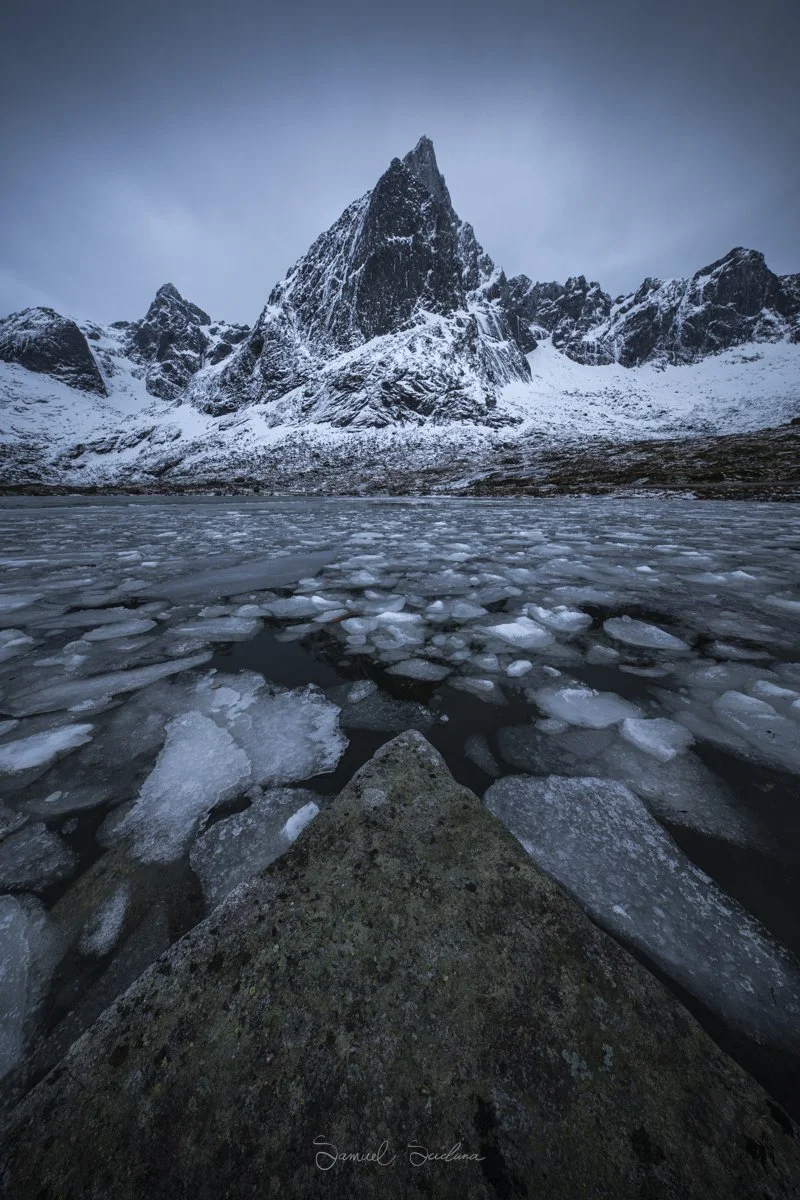
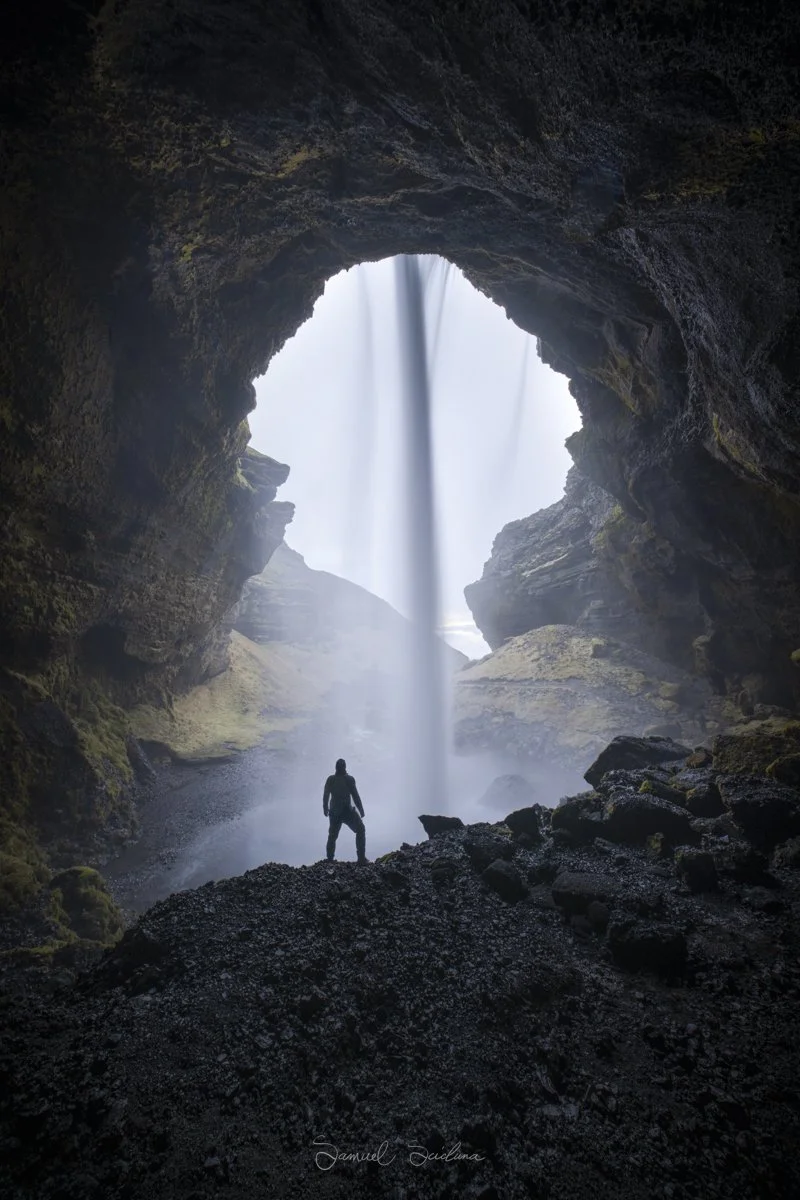
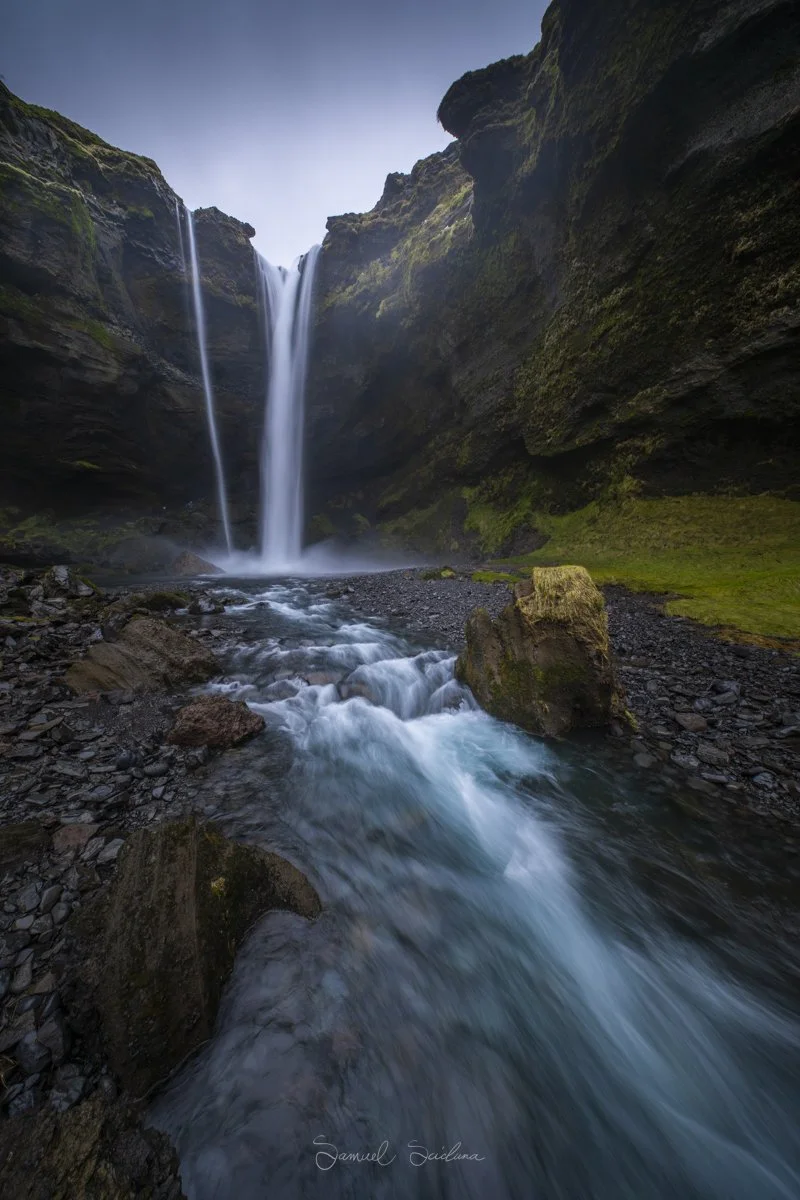
I have used this lens on my Nikon Z8 in Lofoten, Iceland, and the Dolomites. It has enabled me to capture images that were otherwise impossible without doing a pano when using my other ultra-wide-angle lens (Nikon Z 14-24mm F2.8 lens).
The incredibly wide field of view means I often find myself shooting this lens without the need for a tripod, as I can still get incredibly sharp images whilst shooting handheld.
Flare
Laowa lenses have previously struggled with lens flare, especially when there is a bright light source in the frame. The good news is that Laowa appears to have reduced the impact of lens flare with this new 10mm lens.
Image Quality
This lens exceeded my expectations in terms of image quality; it’s surprisingly sharp. Although there is some distortion at the edges when pointing the camera up or down, this is to be expected (And embraced), and this distortion, if used properly, can help you to dramaticise your images.
Vignetting is clearly evident when using this lens, even when shooting wide open at F2.8. Although this might bother some users, it doesn’t bother me in the slightest, as I always use a vignette in post-processing to help lead the viewers’ eye to the subject in my images. The vignette would be more of an issue when shooting the night sky, as it can be hard to retain detail in the corners of an already dark night image.
With a whopping 130-degree field of view, it’s easy to get unwanted subjects in your shot, so ensure to double and triple-check your compositions when in the field!
This lens creates some very interesting 10-blade sun stars thanks to its 5-blade aperture.
I have not noticed much chromatic aberration in the photos I have captured with this lens, and modern software does a great job of fixing any such issues.
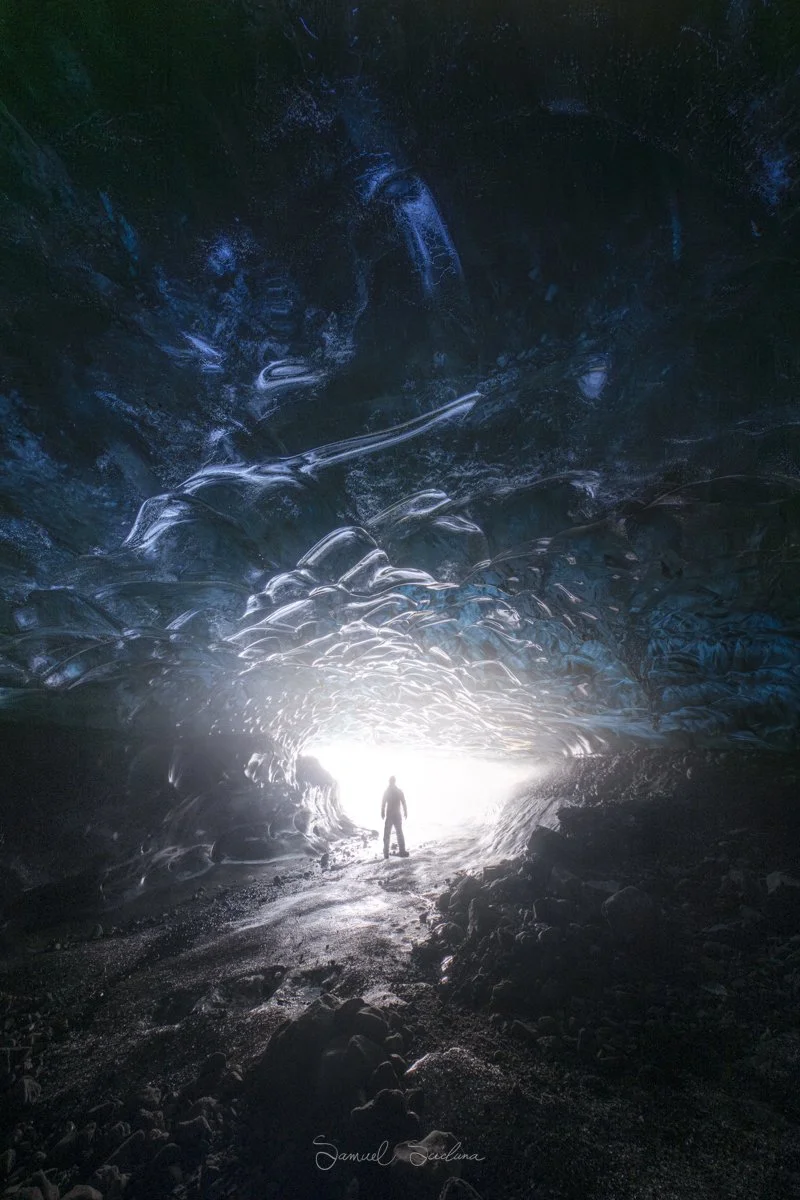
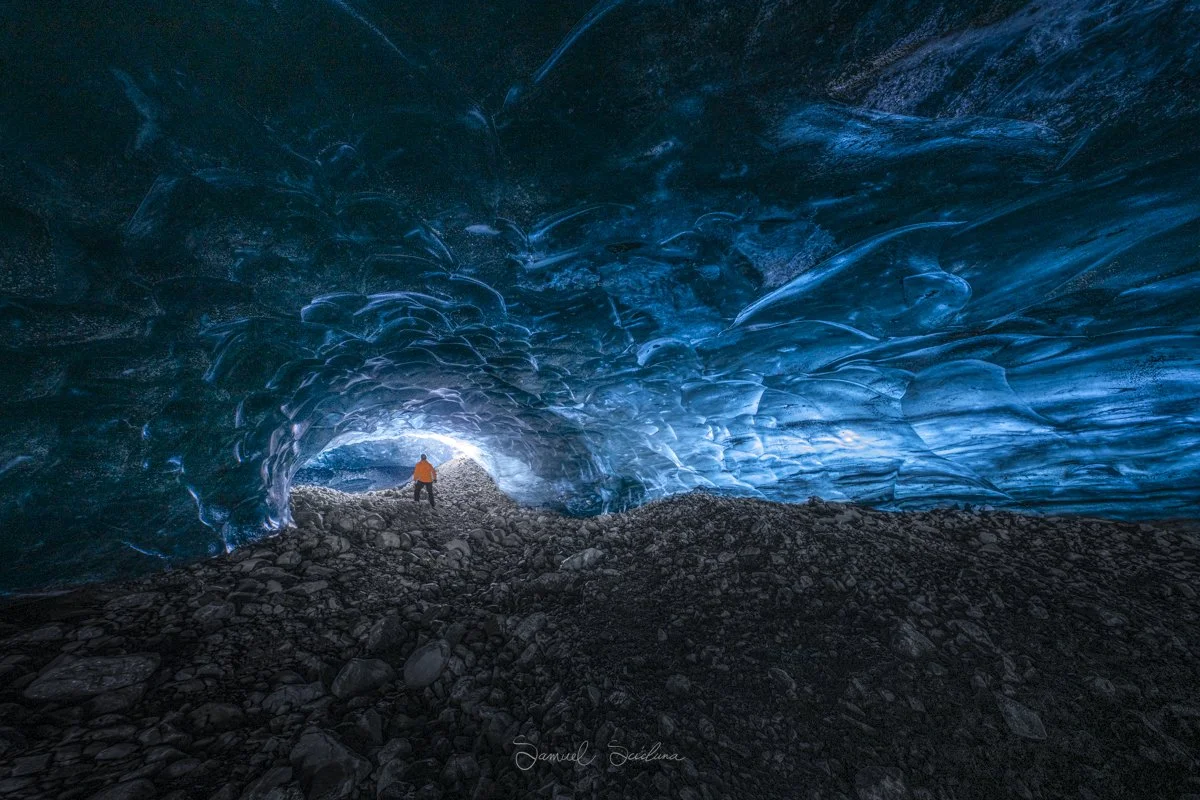
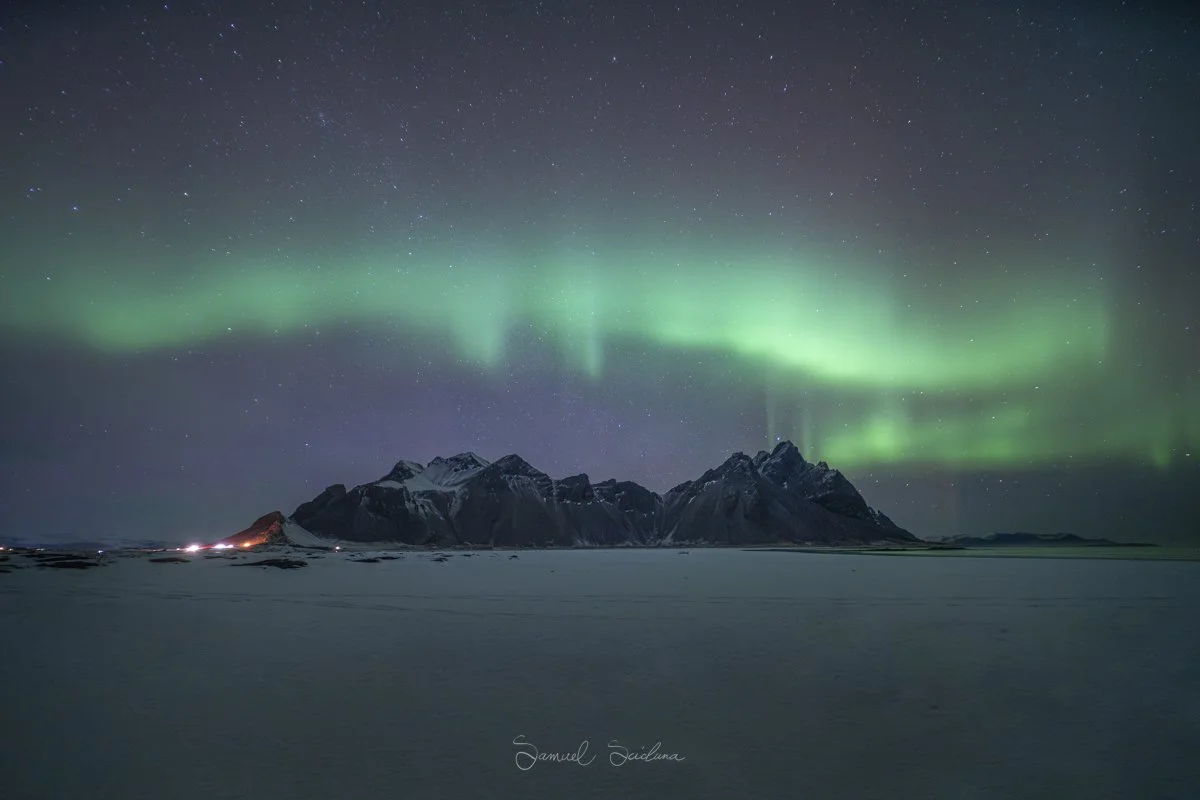
As mentioned above, this is not a lens that you will use all the time, its 10mm focal length can be very limiting in most scenarios, but it can also shine in other scenarios, such as when shooting huge mountains up close and when shooting in an Ice Cave. The extreme wide angle helps emphasize the foreground elements and stretch mountains, making them look more dramatic and impactful.
Using Filters
I think one of the best features of the Laowa 10mm lens is the ability to use simple 77mm filters on it, contrasting greatly with other ultra-wide-angle lenses that require special mounts to use filters, not to mention the big, heavy, and expensive filters themselves. Although ND filters work a treat, I would stay away from Polarising filters as this lens is just too wide for them, leading to not getting full polarisation across the frame.
Conclusion
The Laowa 10mm f/2.8 Zero-D FF is a truly unique lens. It is the lens that many landscape photographers have been praying for. Its compact size and lightweight construction make it an ideal lens for locations that require hiking, where space and weight in my camera bag are real considerations.
Although it is not a perfect lens (If perfect lenses even exist….), I think Laowa has done a great job with this lens.
Pros
Compact Size
Lightweight
Huge field of view
F2.8 Aperture
77mm filter ring
Autofocus for Nikon Z and Sony FE
Good build quality
Smooth operation
Small front element
Short minimum focus distance
Cons
Strong vignetting
No focus distance scale on the lens barrel
Aluminium lens body prone to scratching
Bokeh is non-existent
Edge sharpness falls off significantly