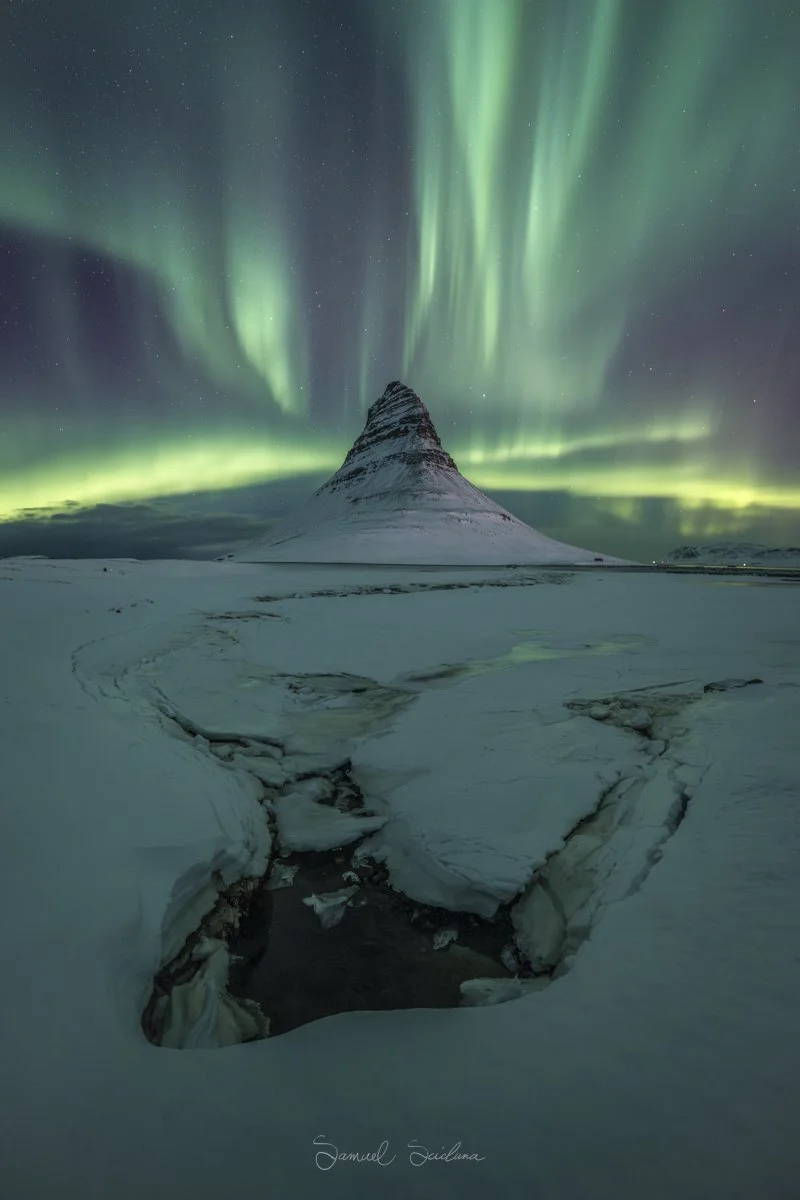
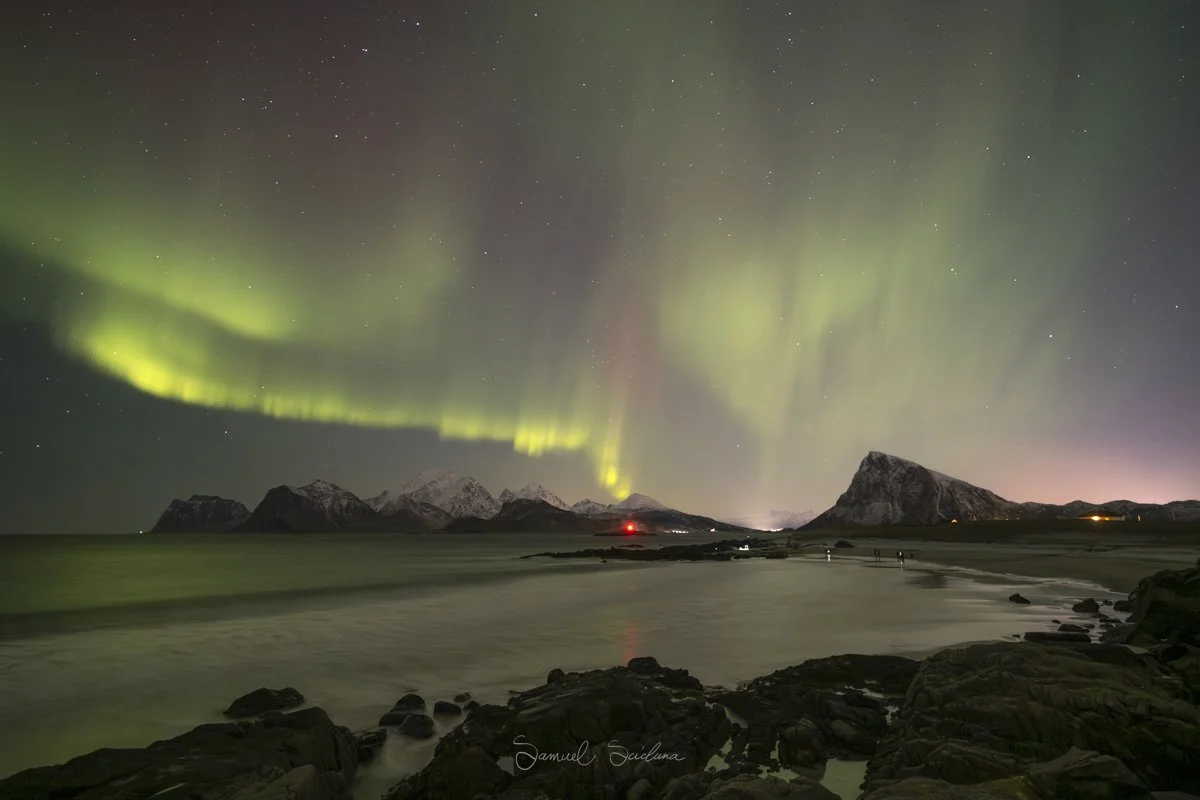
For a landscape photographer, the sun is more than just a light source, it is the engine that drives the most spectacular show on Earth, the Aurora. While the Northern Lights (Aurora Borealis) can be seen every year, we are currently in a rare, high-octane window of activity known as Solar Maximum.
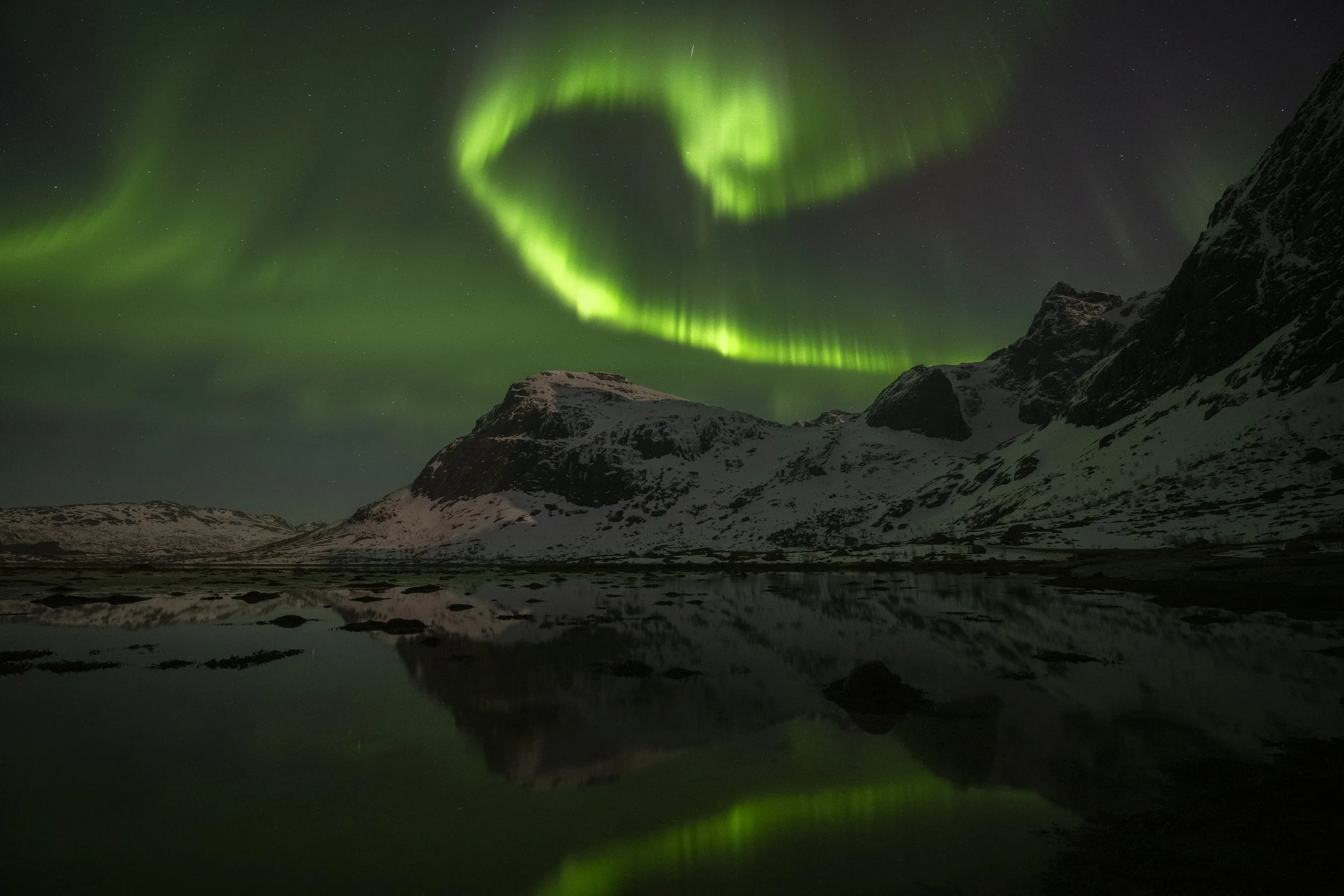
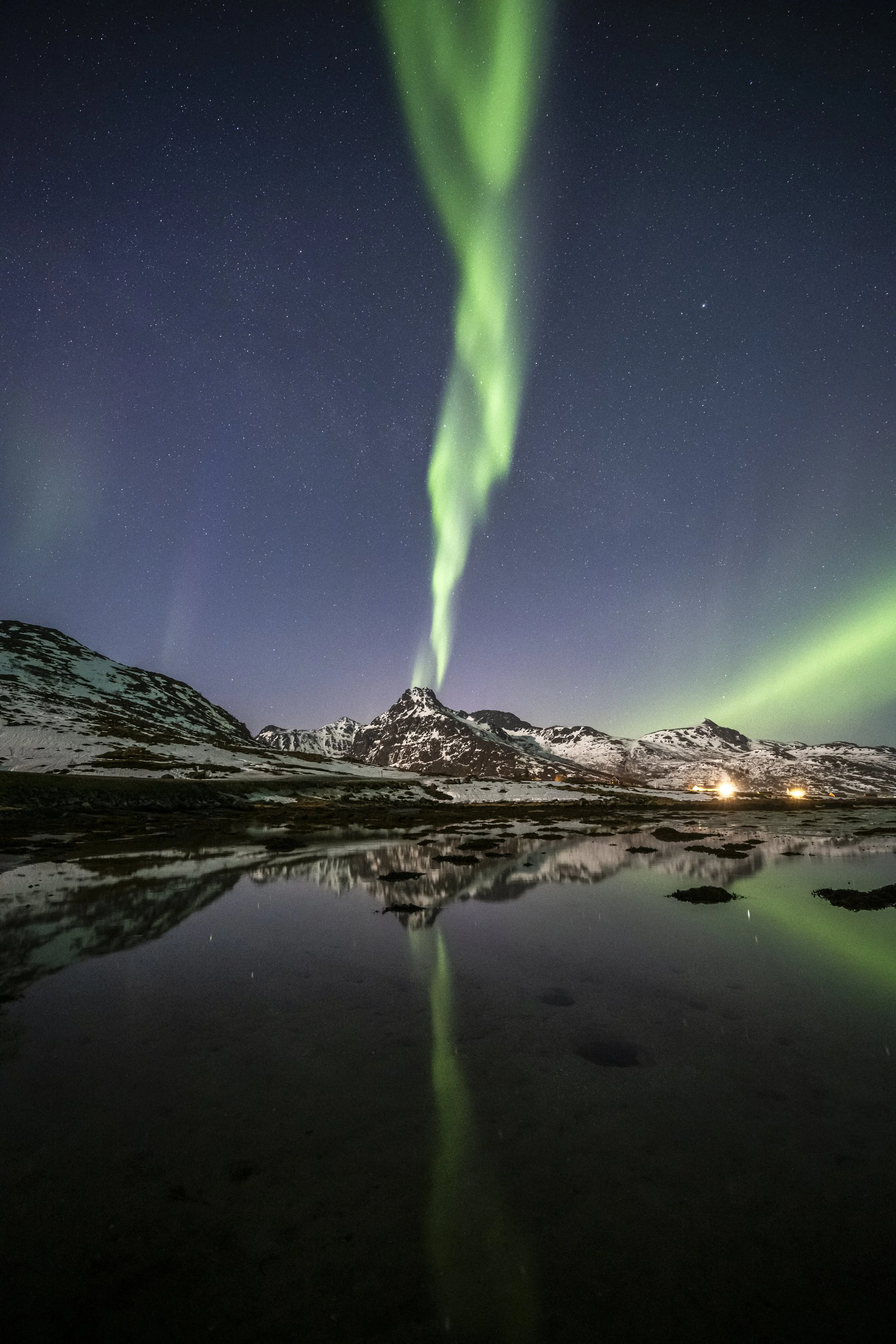
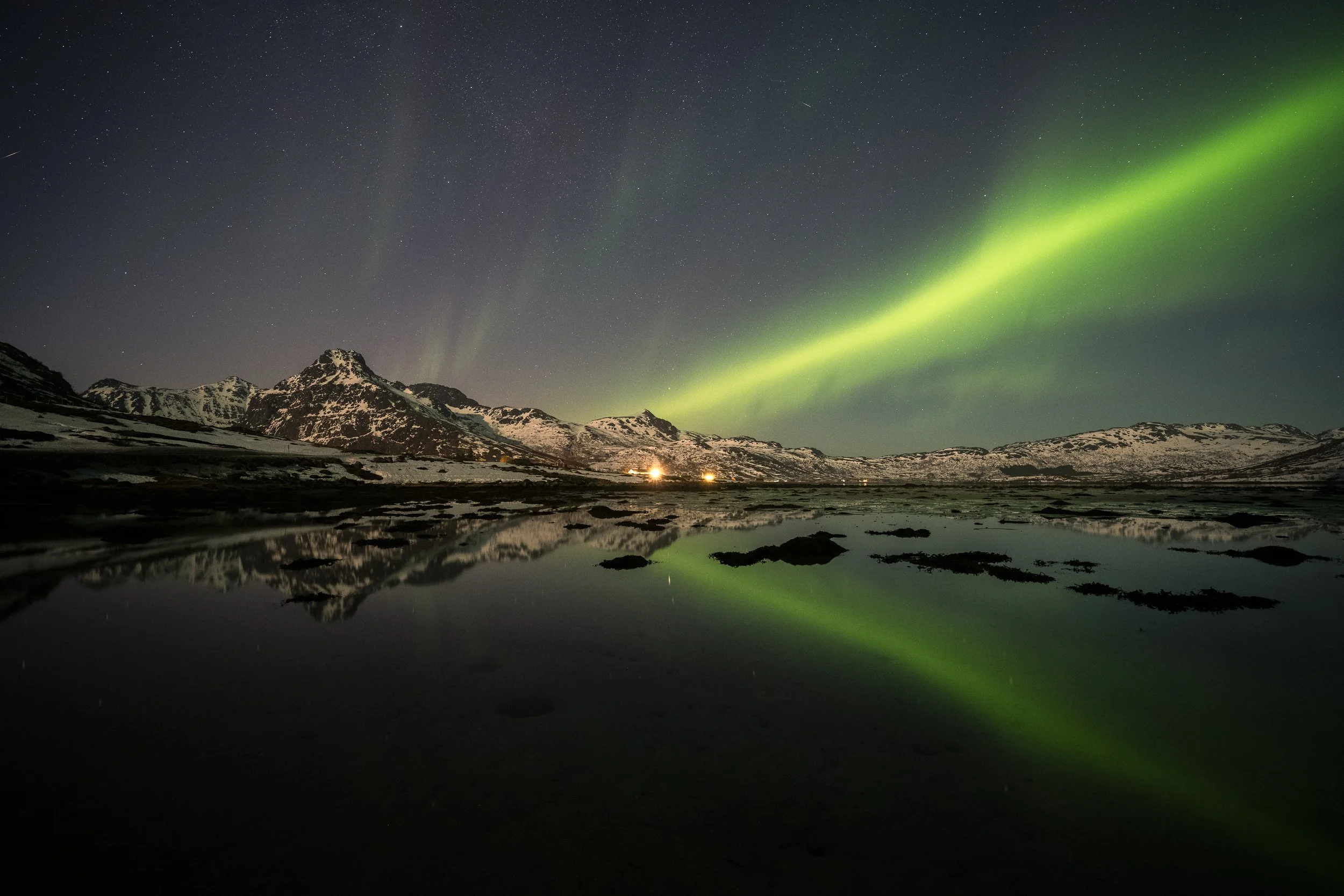
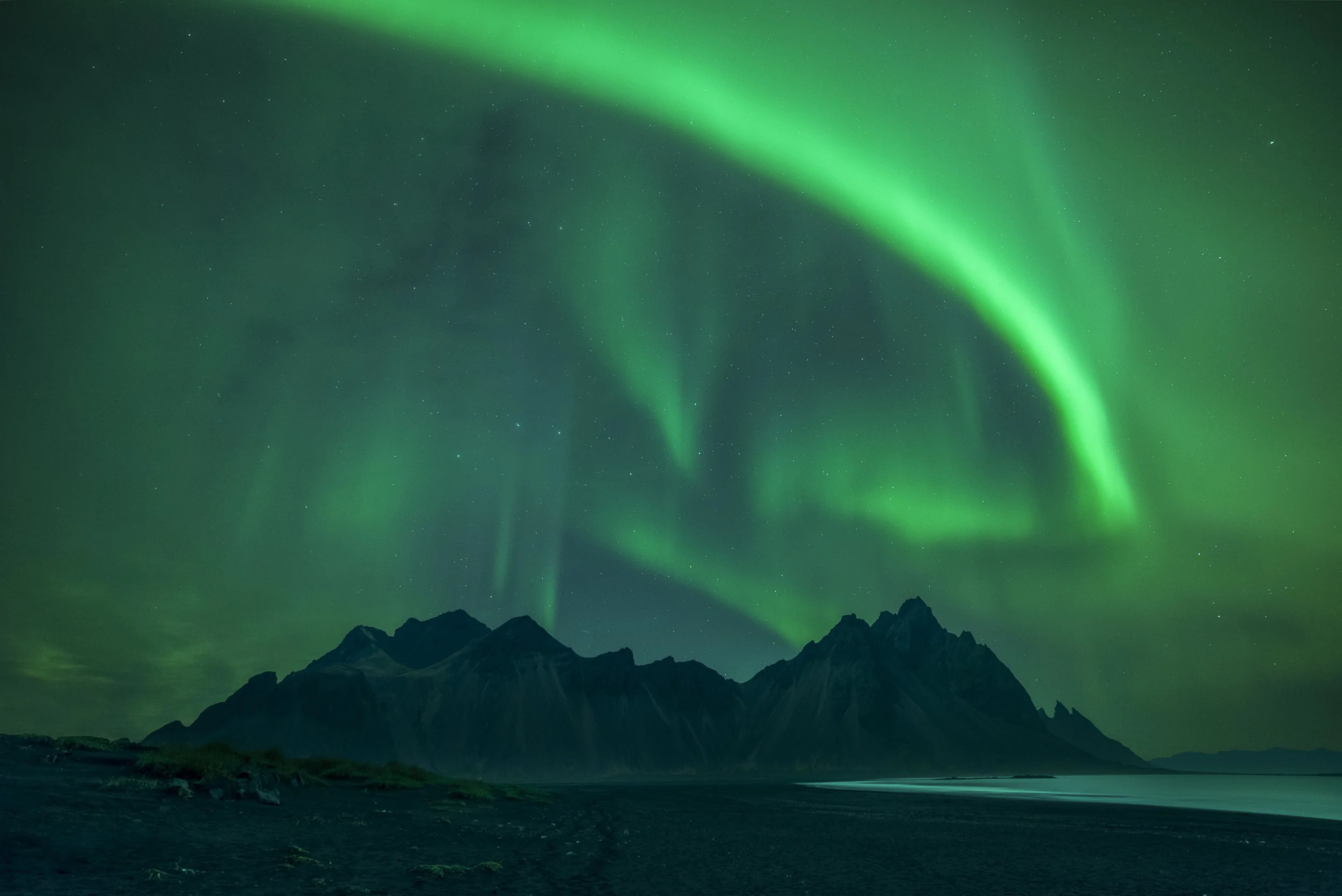
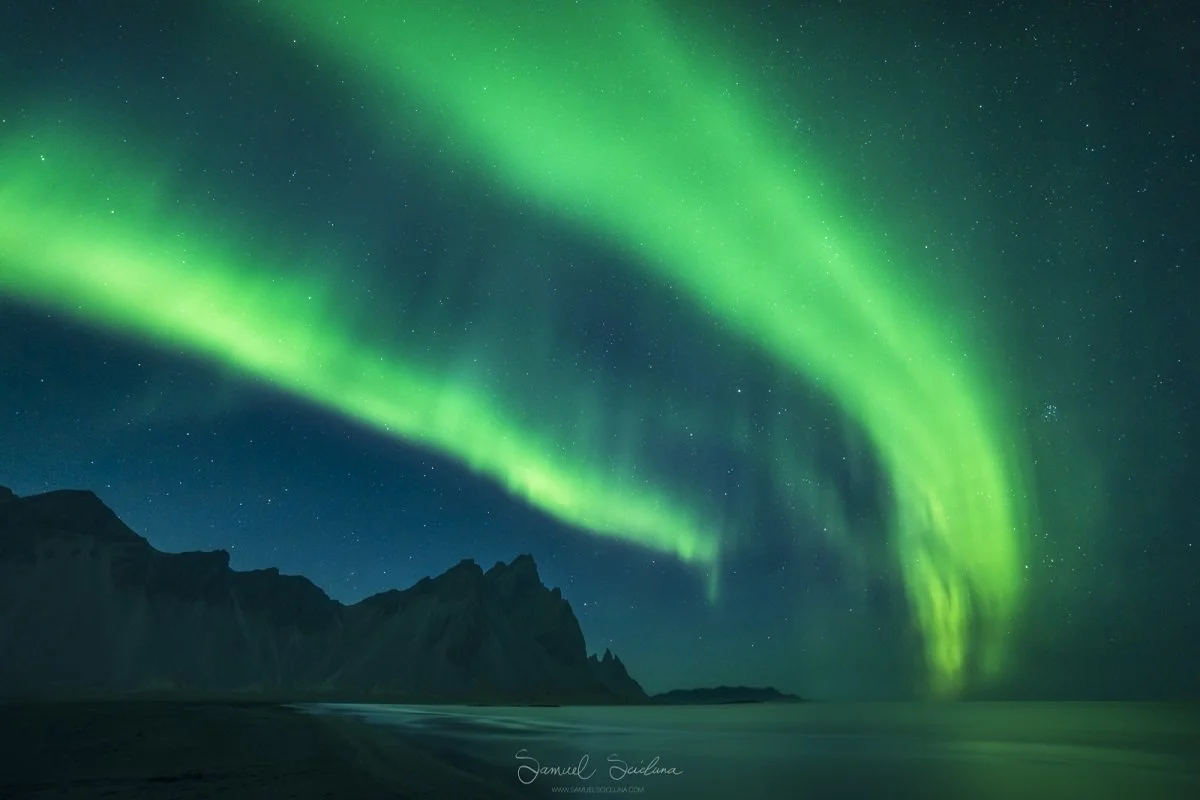
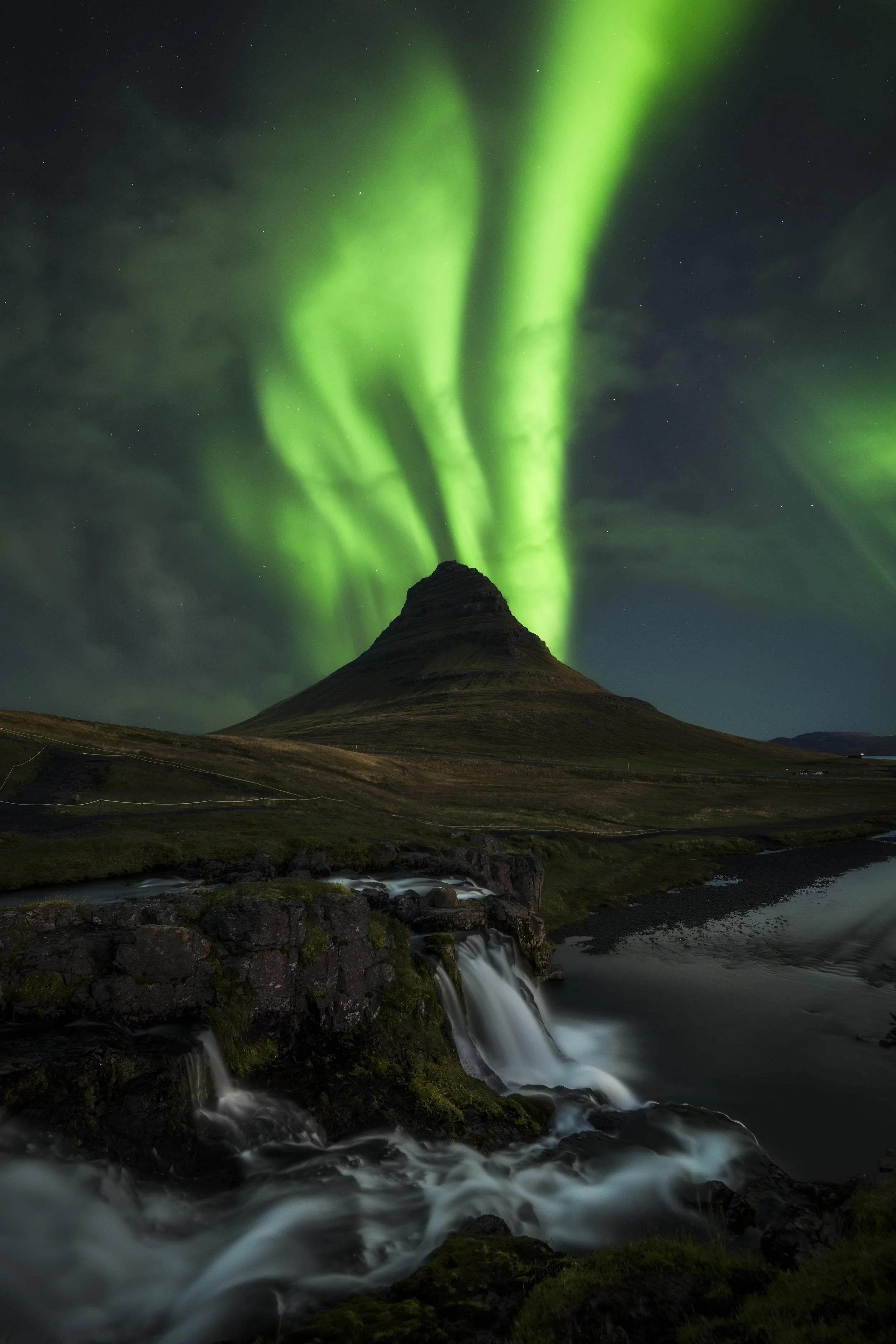
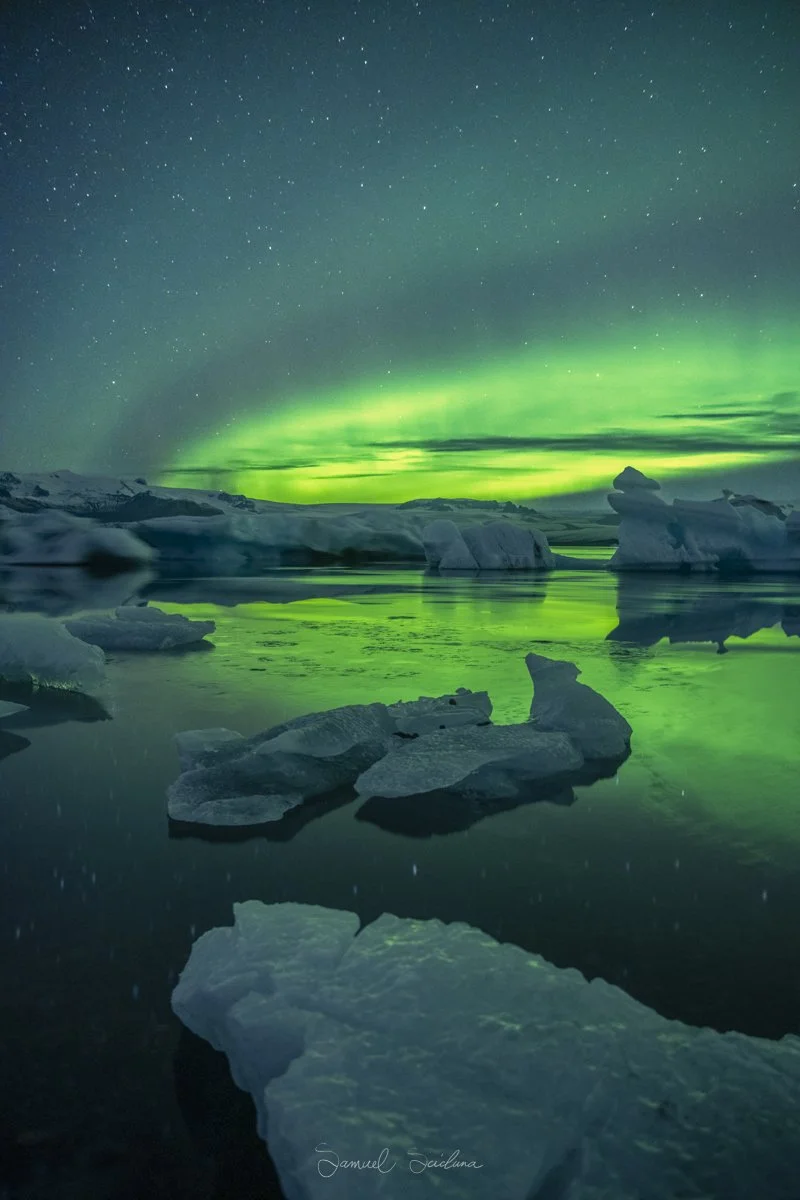
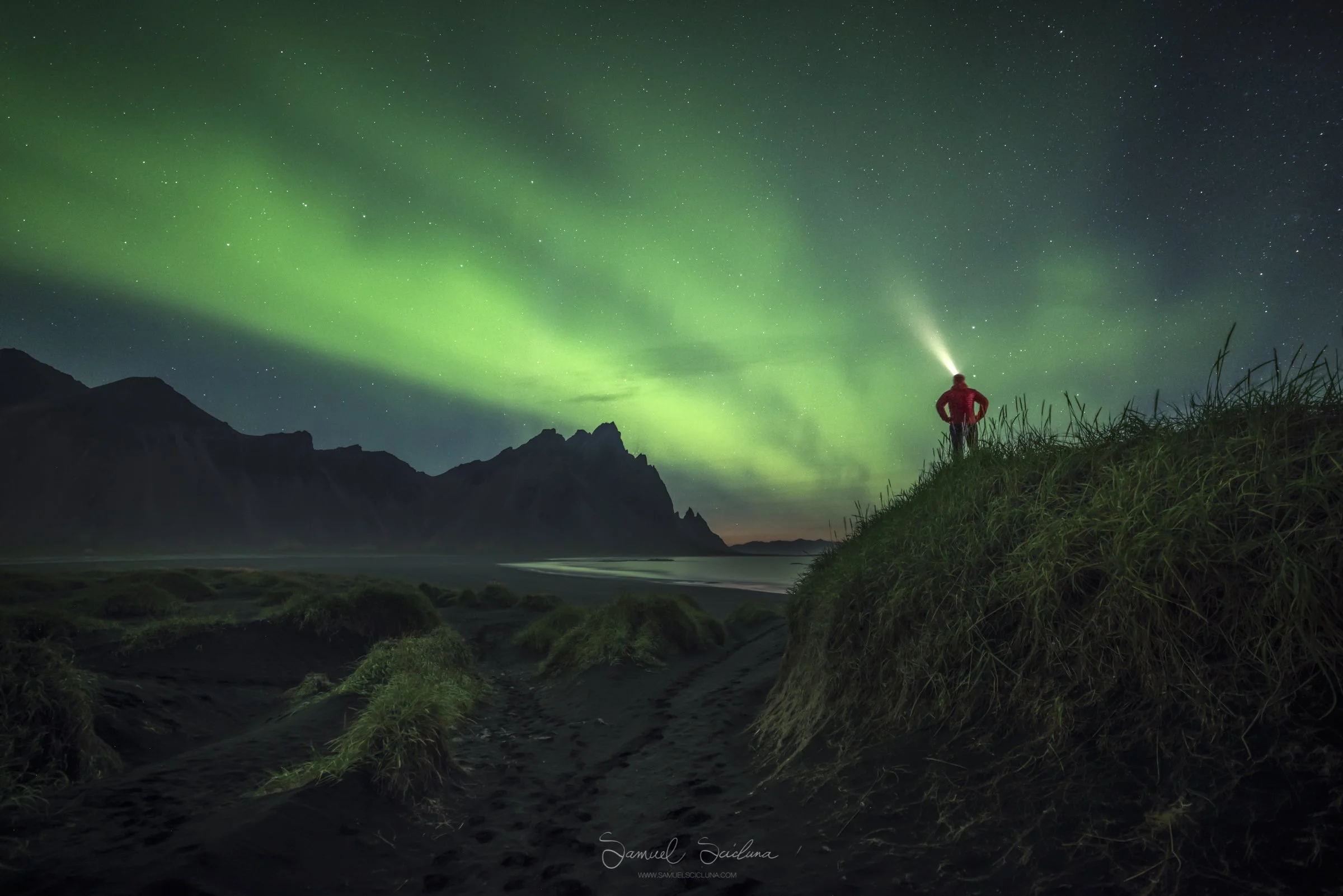
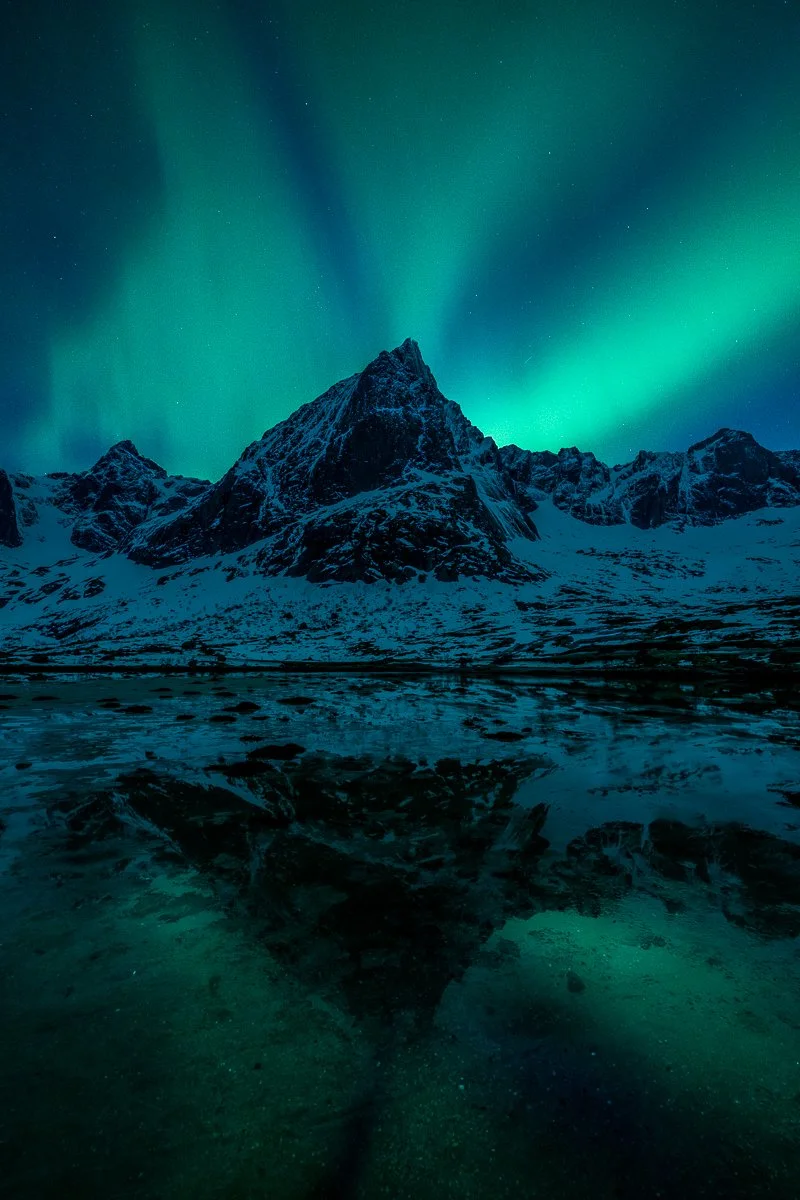
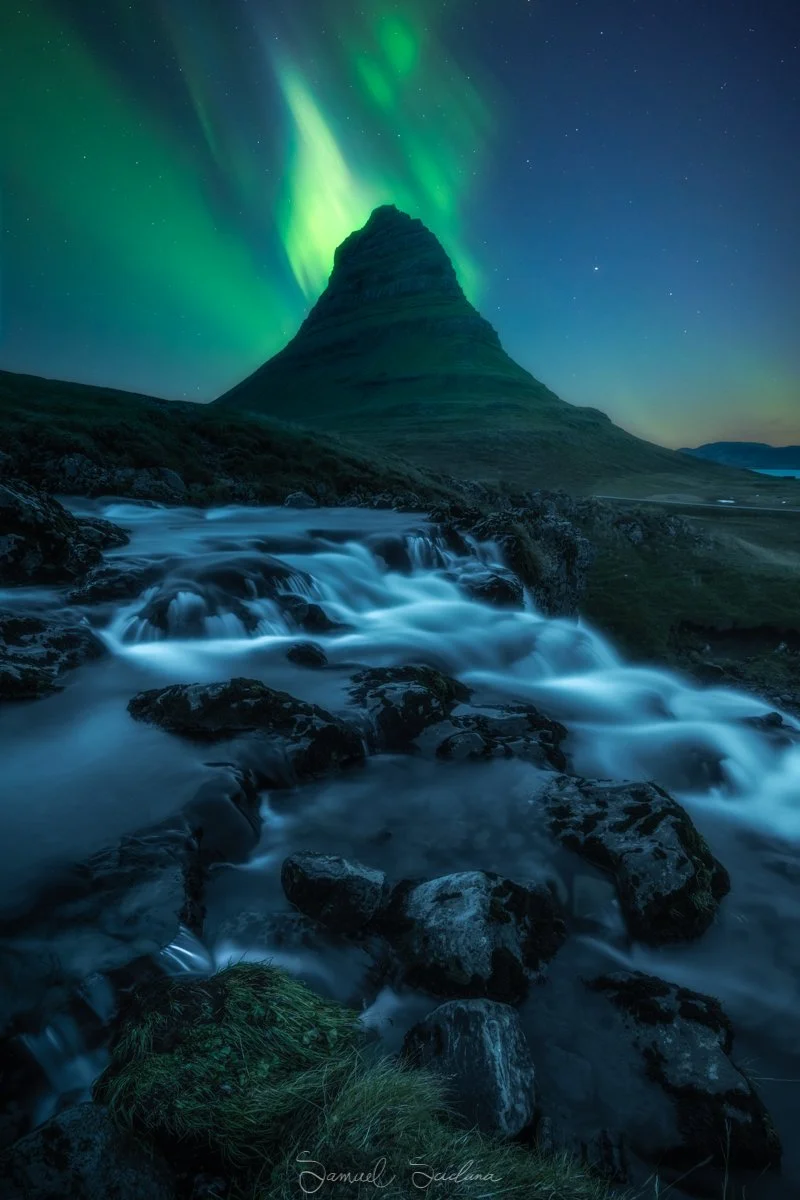
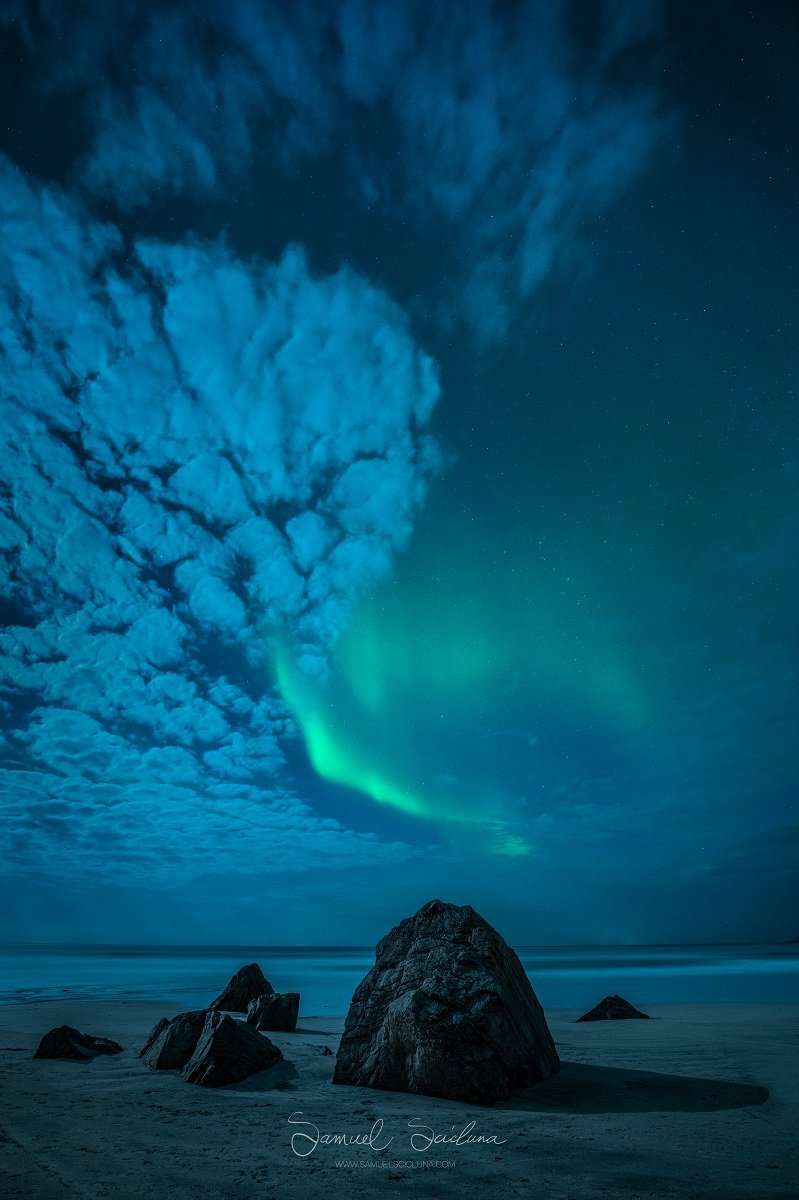
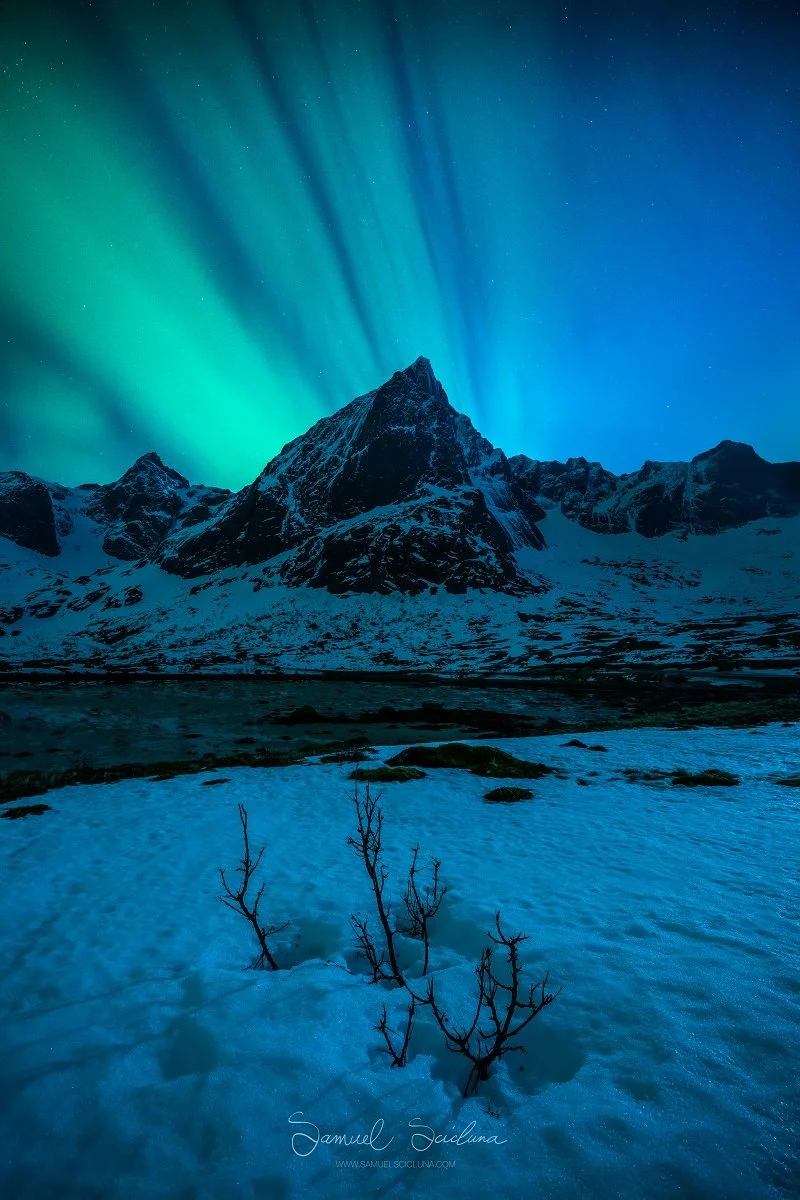
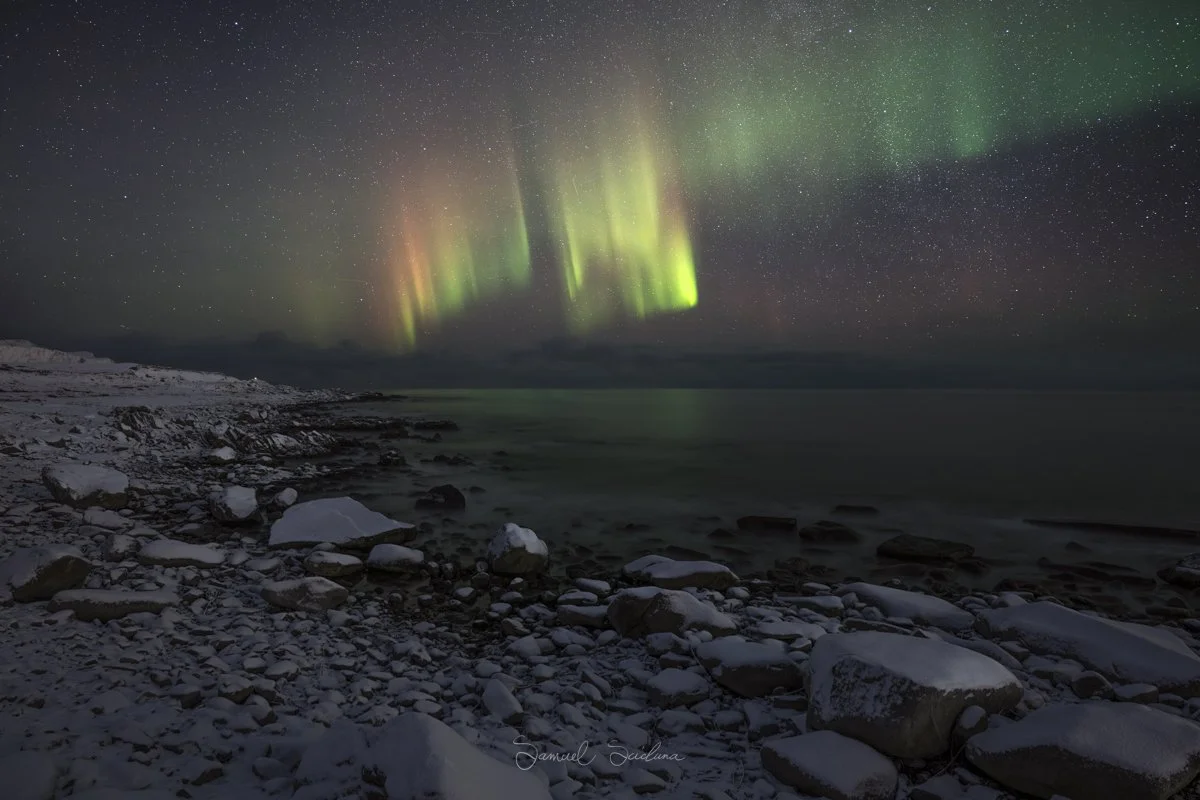
This is why the solar cycle matters, and why right now is the "once-in-a-decade" opportunity to capture world-class aurora images.
What is the Solar Cycle?
The sun is not a static ball of fire; it functions like a massive, churning electromagnetic engine. Approximately every 11 years, its magnetic field completely flips—the North Pole becomes the South Pole, and vice versa.
This journey from one flip to the next is called the Solar Cycle. It is measured by the frequency and intensity of sunspots (cool, dark patches of intense magnetic activity) on the sun's surface.
Solar Minimum is the "quiet" period, with few sunspots and low activity.
Solar Maximum is the "peak" period where the sun is riddled with sunspots and frequently erupts.
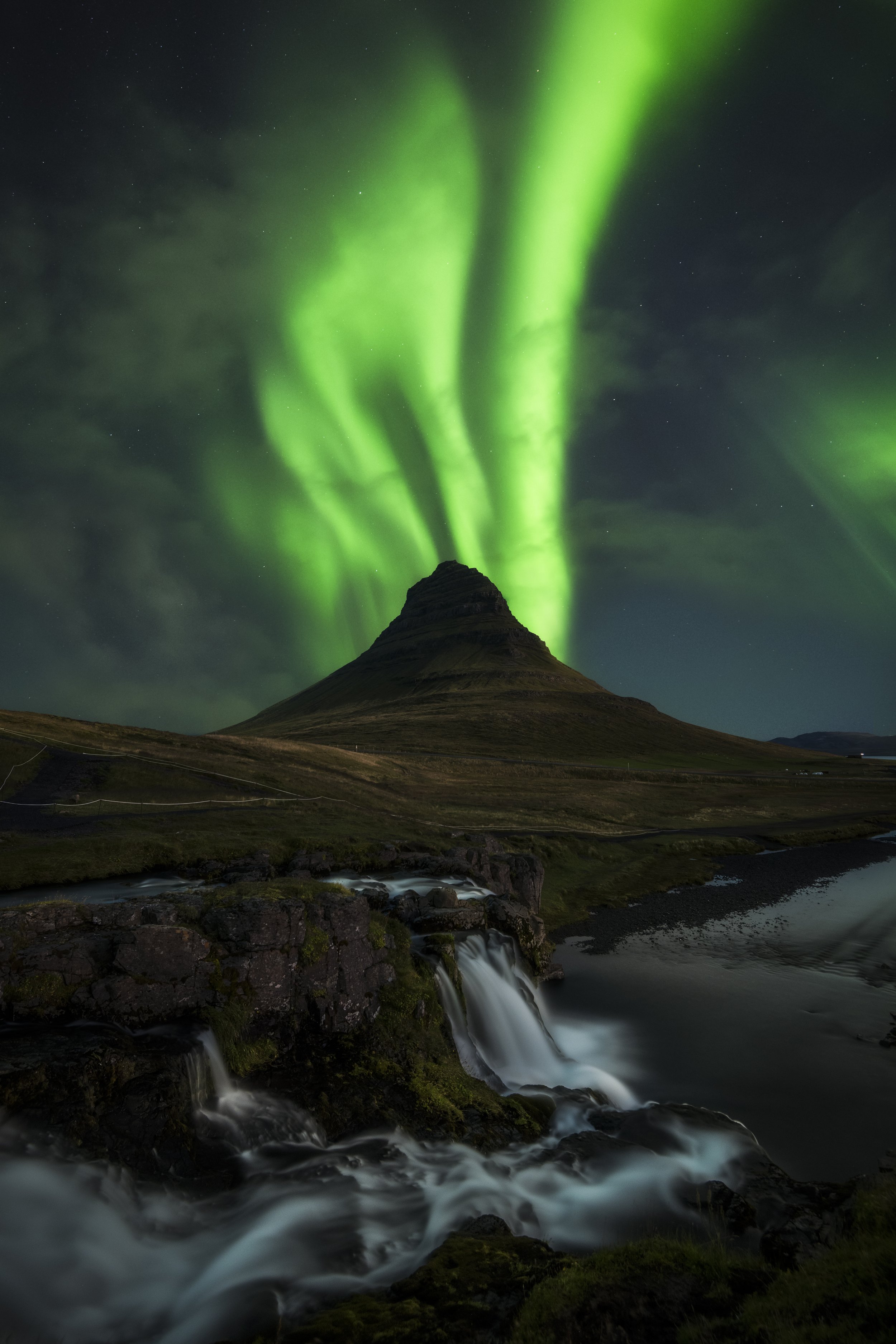
Why Solar Maximum is the "Golden Age" for Photographers
During Solar Maximum, which we are currently experiencing between 2024–2026, the sun becomes more active. This activity is a photographer's best friend for three specific reasons:
1. Increased Frequency of Auroras (The Odds)
During a Solar Minimum, you might wait days for a decent show, even in the Arctic Circle. During a Solar Maximum, the sun frequently releases Coronal Mass Ejections (CMEs), which are massive clouds of solar plasma. This means the aurora "dances" much more often, giving you more nights of successful shooting during a single trip.
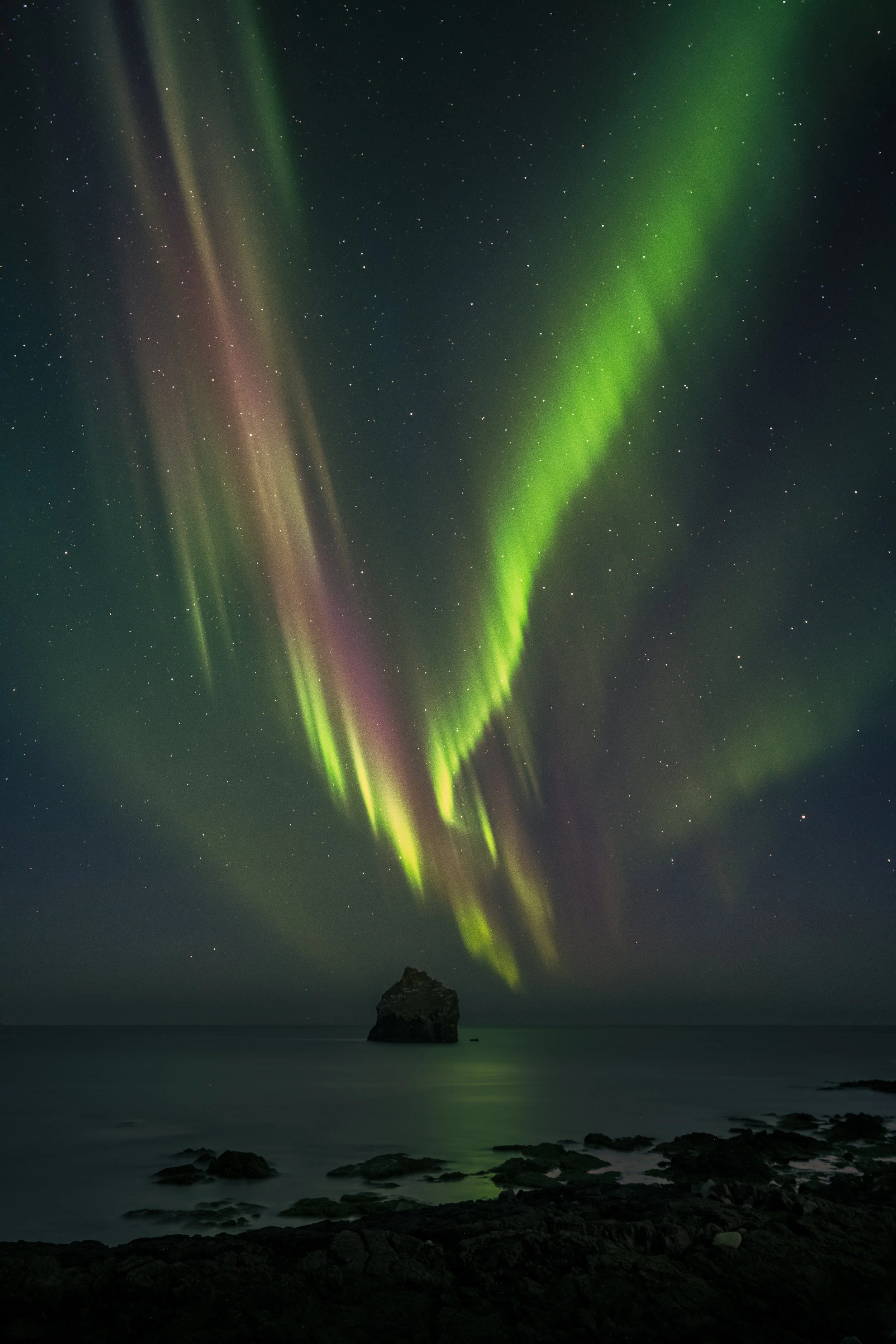
2. Maximum Intensity and Color
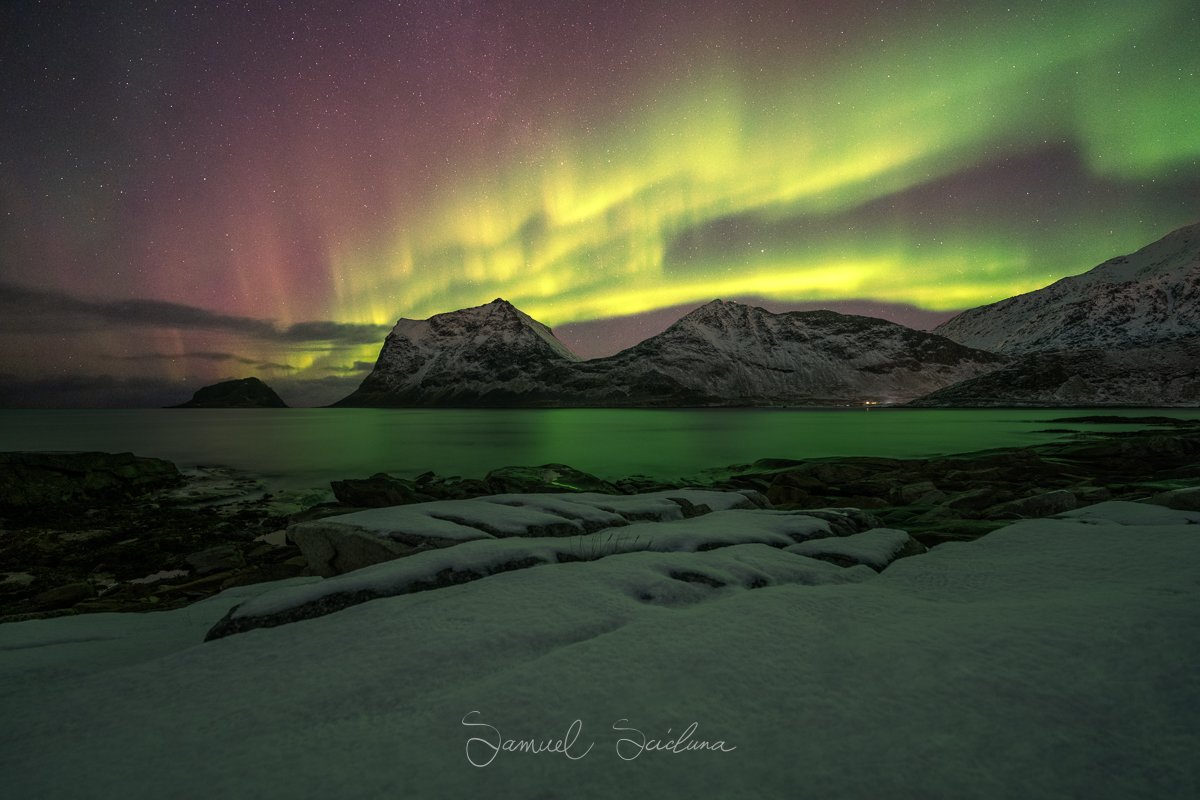
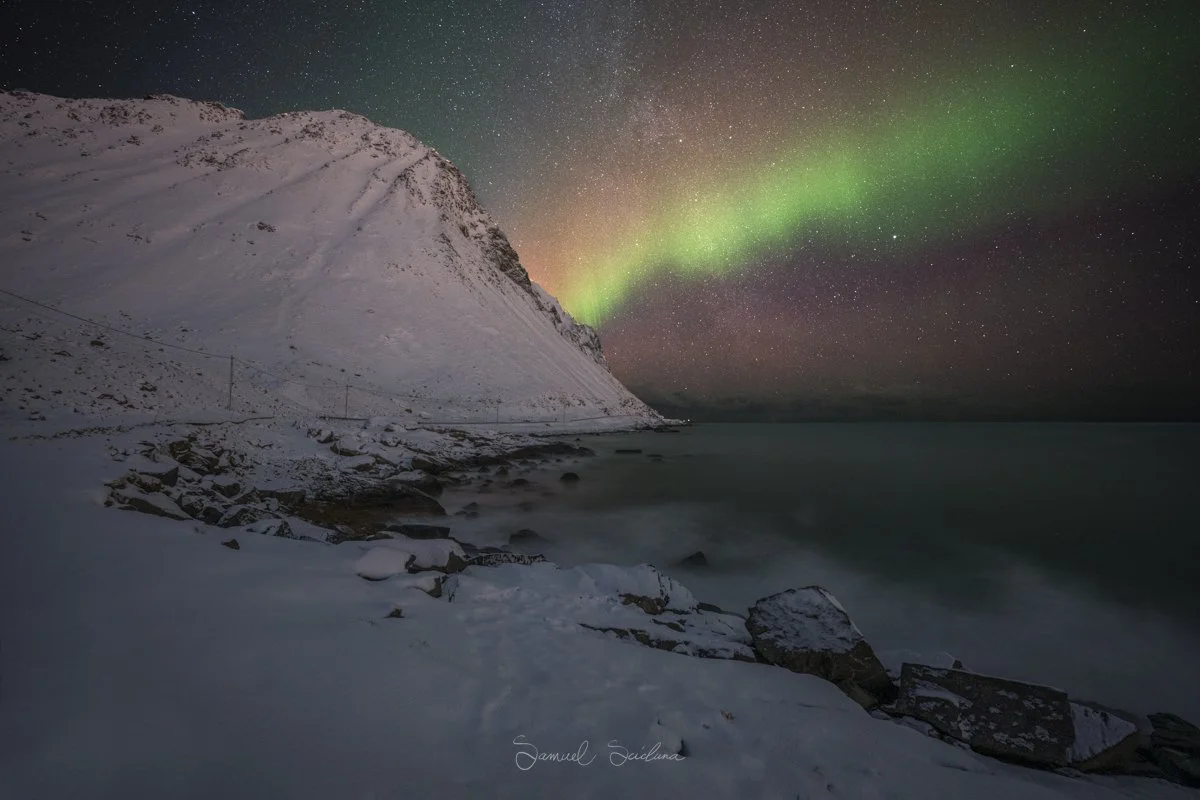
When the solar wind is weak, the aurora usually appears as a faint, static green "smudge" on the horizon. During Solar Maximum, the energy hitting our atmosphere is much more intense. This creates incredible light shows, with shimmering curtains, bands and pulsating aurora. More intense solar activity also brings with it more rare colors in the Aurora, such vibrant pinks, incredible purples, and even rare blood-reds.
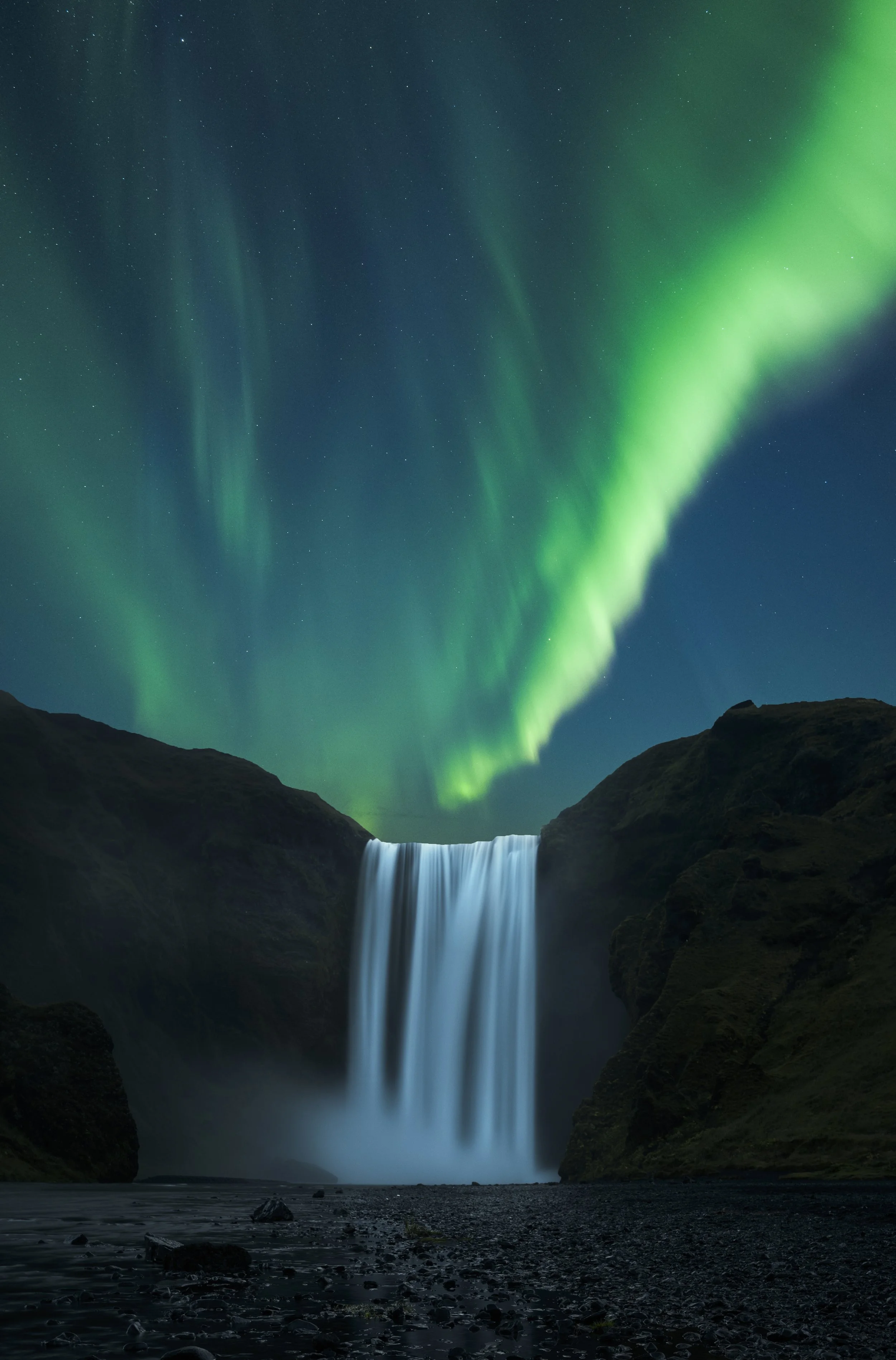
3. Expanded Latitude (The "Big One")
Usually, you have to travel to the "Auroral Oval" (places like Iceland, Norway, or Alaska) to see the Northern lights. However, during Solar Maximum, the auroral oval expands. This allows the lights to be photographed from much further south—sometimes as far South as the UK, France and even Italy!
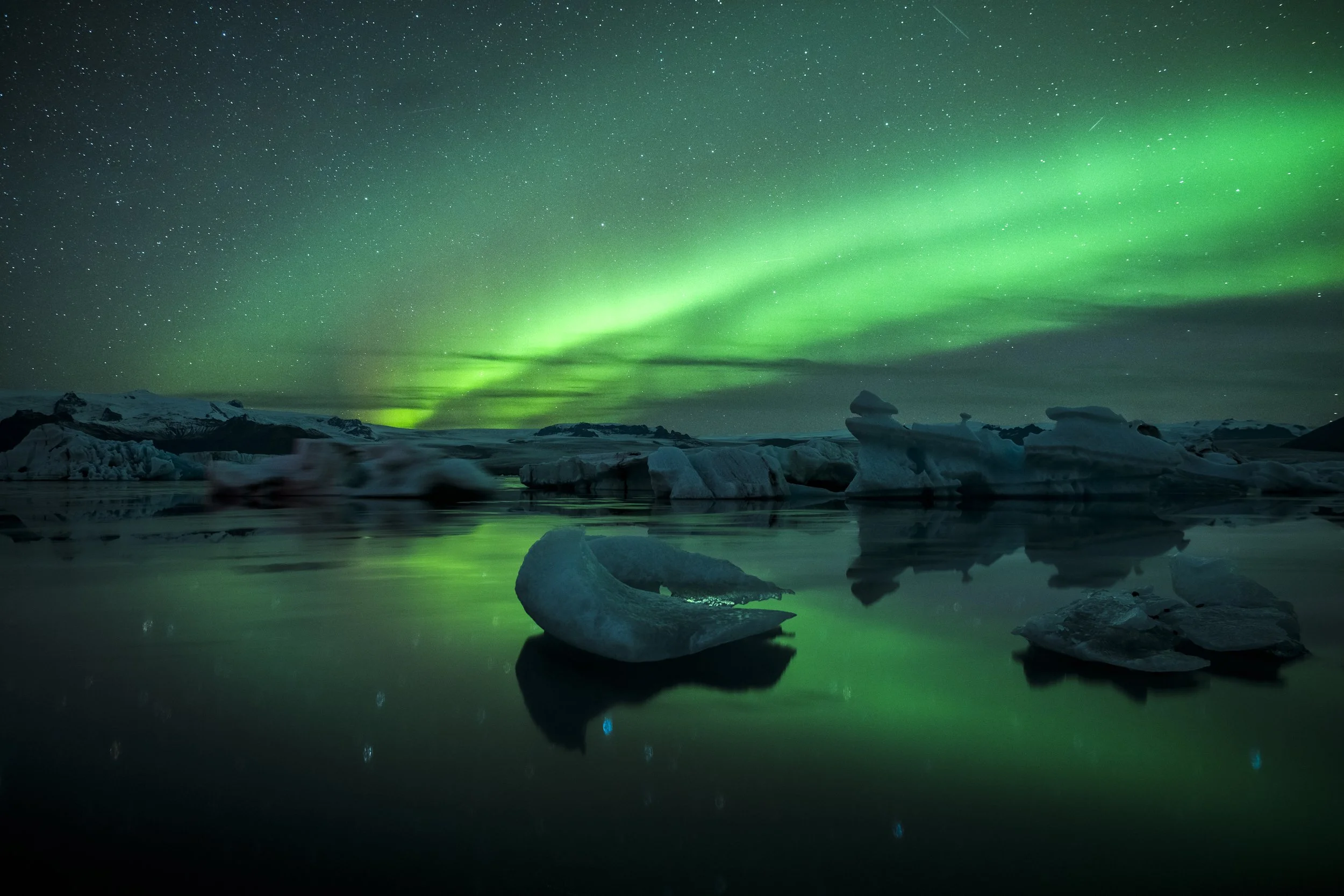
Technical Tips for Solar Max Photography
Because the lights are more active during this period, your technique needs to adapt:
Shorten your shutter speed: During Solar Maximum, the lights move fast. To capture the "pillars" and "ribbons" without them blurring into a green mess, drop your shutter speed to 1–2 seconds and compensate by raising your ISO further.
Watch the KP Index: Keep an eye on the Kp-index (a scale of 0–9). During Solar Maximum, we see many more "G3" or "G4" storms (Kp 7–9), which are the ones that produce the legendary "overhead corona" effect.
Composition is king: Although the Aurora is the star of the show, there is no better way to mess up a once-in-a-lifetime opportunity to shoot them then by forgetting to include a foreground or subject.
The Current Window
We are currently in Solar Cycle 25, and NASA/NOAA experts have confirmed we are in the midst of the peak. This level of activity won't return until the mid-2030s. If you’ve been waiting to book that trip to the Arctic, the next 12 months are officially the best time to do it.