
Is this the ultimate lens for landscape photographers?
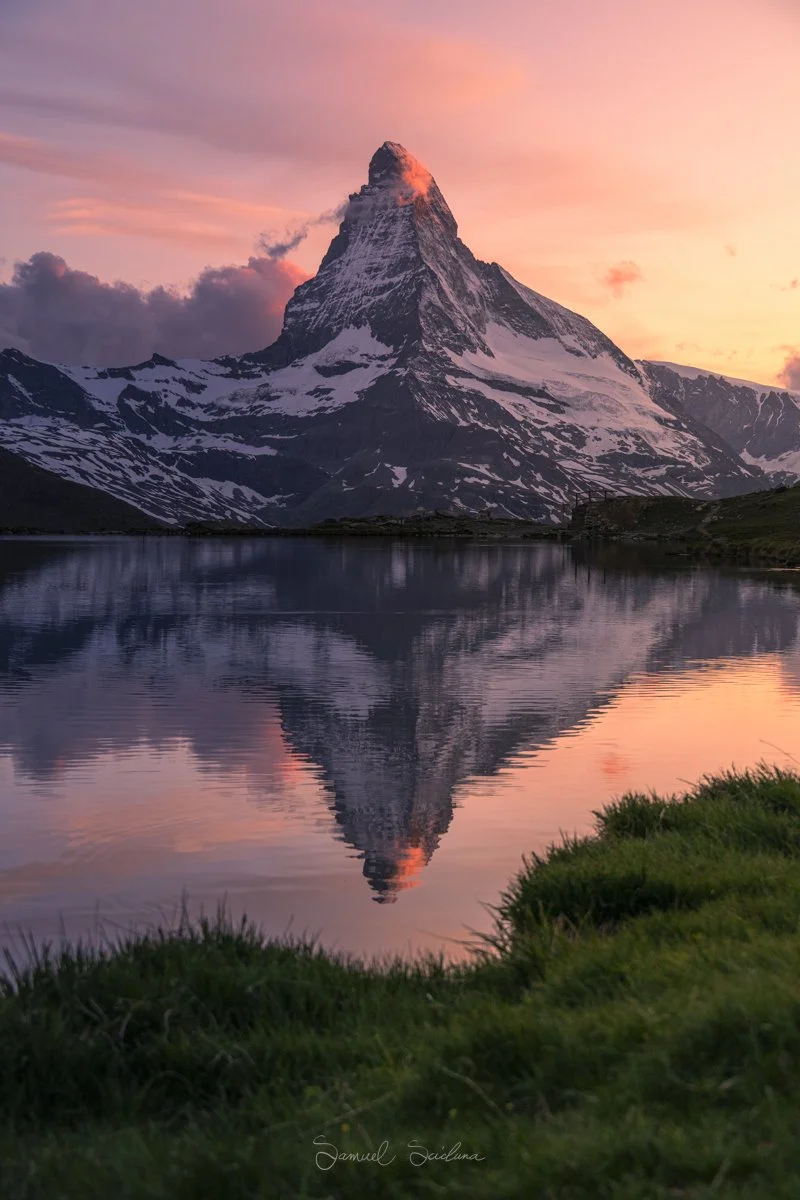
When preparing for a landscape photography expedition in the mountains, every extra gram in your camera bag matters. Traditionally, covering a focal range of wide to mid-range and mid-range to super telephoto meant carrying a heavy dual-lens combo, such as the Nikkor Z 24-120mm f/4 S and the Nikon Z 100-400mm f/4.5-5.6 VR S.
While these premium S-Line lenses are undeniably a bit sharper, they carry a massive weight and volume penalty. Enter the Nikon Z 28-400mm f/4-8 VR — a single-lens that challenges the traditional "superzoom compromise" by delivering impressive image quality in a remarkably lightweight package. The engineering behind a 14.3x zoom mirrorless lens that extends all the way from 28mm to 400mm, whilst remaining hand-holdable, is nothing short of incredible.
I spent the past 4 weeks putting this lens through its paces in all sorts of conditions on my recent road trip through Switzerland, France and Italy. I captured over 5000 shots with this lens, across the whole range of focal lengths. Since this was a new lens to me, I felt it necessary to bring my Nikon Z 24-120 f4 lens just in case the 28-400 would let me down. The truth is, the 24-120 lens remained in my suitcase for the entire trip, as I fell in love with the compact, lightweight 28-400 lens from the first time I used it and never felt the need to use the 24-120!
How Significant is the weight saving with this lens?
The Nikon 28-400 weighs just 725 grams. Together, the Nikon 24-120 f4 and Nikon 100-400 f4.5-5.6 lenses weigh a total of 2065 grams, that’s a saving of 1340 grams (2.95 Lbs). Whilst this might not seem like much, it certainly adds up when hiking at altitude and with elevation gain.
Technical Specifications
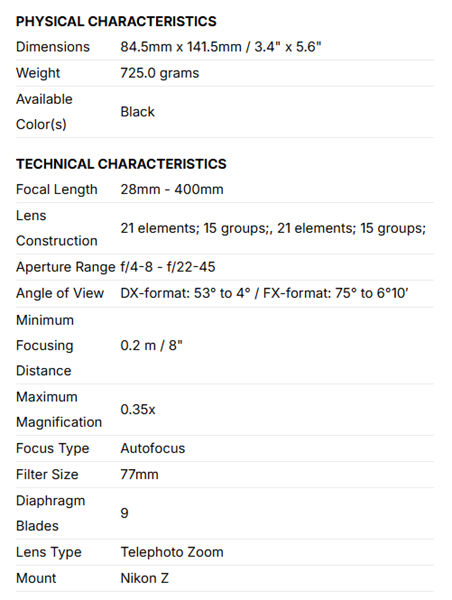
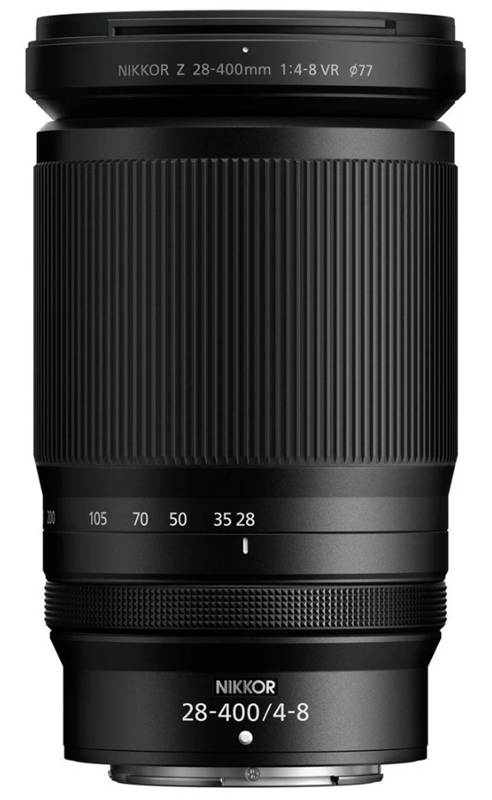
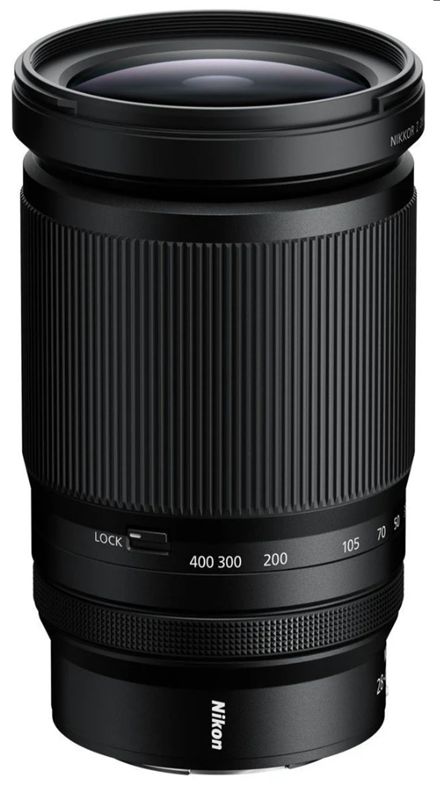
1. Sharpness & Resolution
Independent reviews that I had read prior to purchasing this lens confirm my findings from four weeks of real-world testing in the field — this lens performs remarkably well for a 14.3x superzoom. Although it doesn't quite match the detail and sharpness of premium S-line lenses, it is certainly sharp enough to capture stunning images across the entire focal length range.
2. Chromatic Aberration & Lens Flaws
From the 5,000+ images I shot with this lens, there is practically no longitudinal chromatic aberration (loCA) or focus shift. This is a direct benefit of the narrower f/8 aperture, which naturally deepens the depth of field and mitigates colour fringing, and Nikon’s built-in lens profile corrections do a great job of automatically getting rid of this seamlessly in Lightroom.
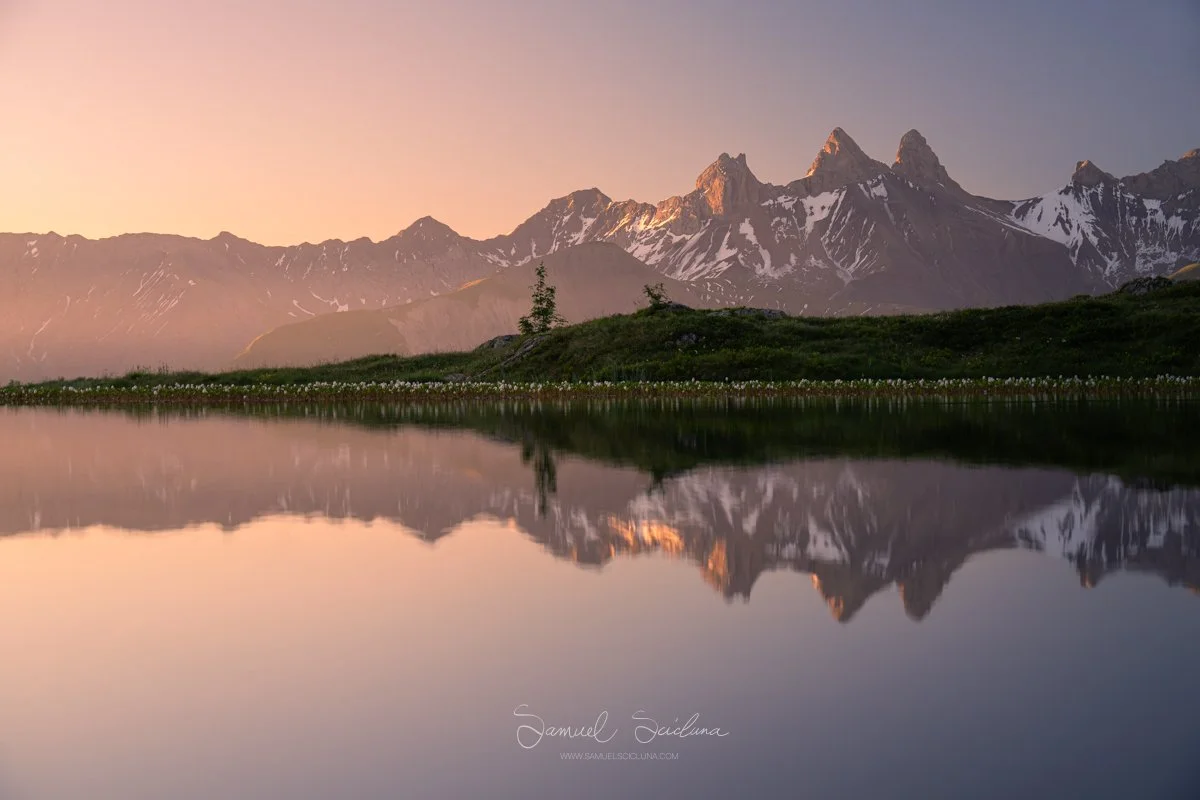
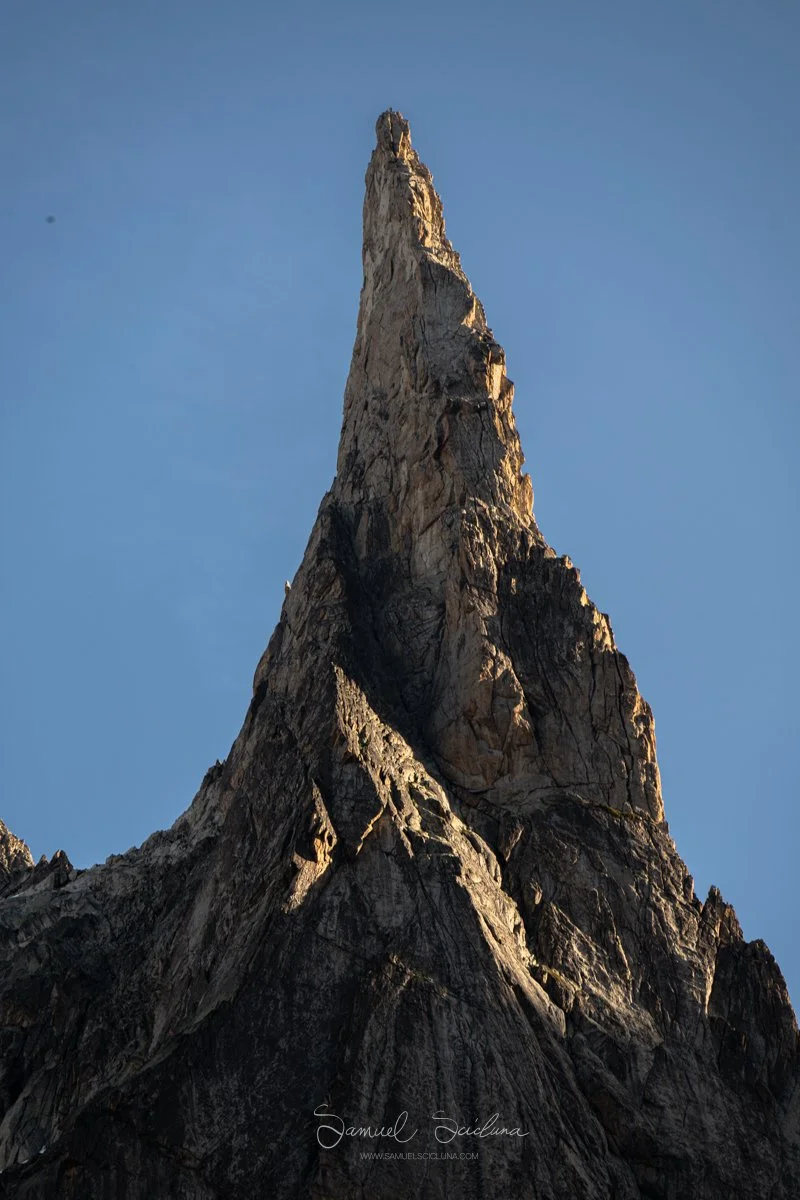
An image shot at 70mm
3. Vibration Reduction (VR)
Nikon claims that this lens has up to 5.5 stops of built-in image stabilisation. This is absolutely true, as I have tested this lens at shutter speeds as slow as 1/20 of a second at 400mm and still managed to get beautifully crisp images with no motion blur. This performance is crucial given how quickly the lens drops to f/8.
4. Close-Up Macro Capabilities
I don’t shoot macro, but I do often focus stack images, such as when I have flowers in the foreground and a mountain peak in the distant background. The minimum focusing distance is an incredible 0.2 meters (7.9 inches) at the wide end, making this an incredibly good lens for focus stacking and macro.
Possibly more impressive is the ‘tele-macro’ functionality at 400mm. It allows a comfortable 1.2-meter working distance while providing a massive magnification ratio.
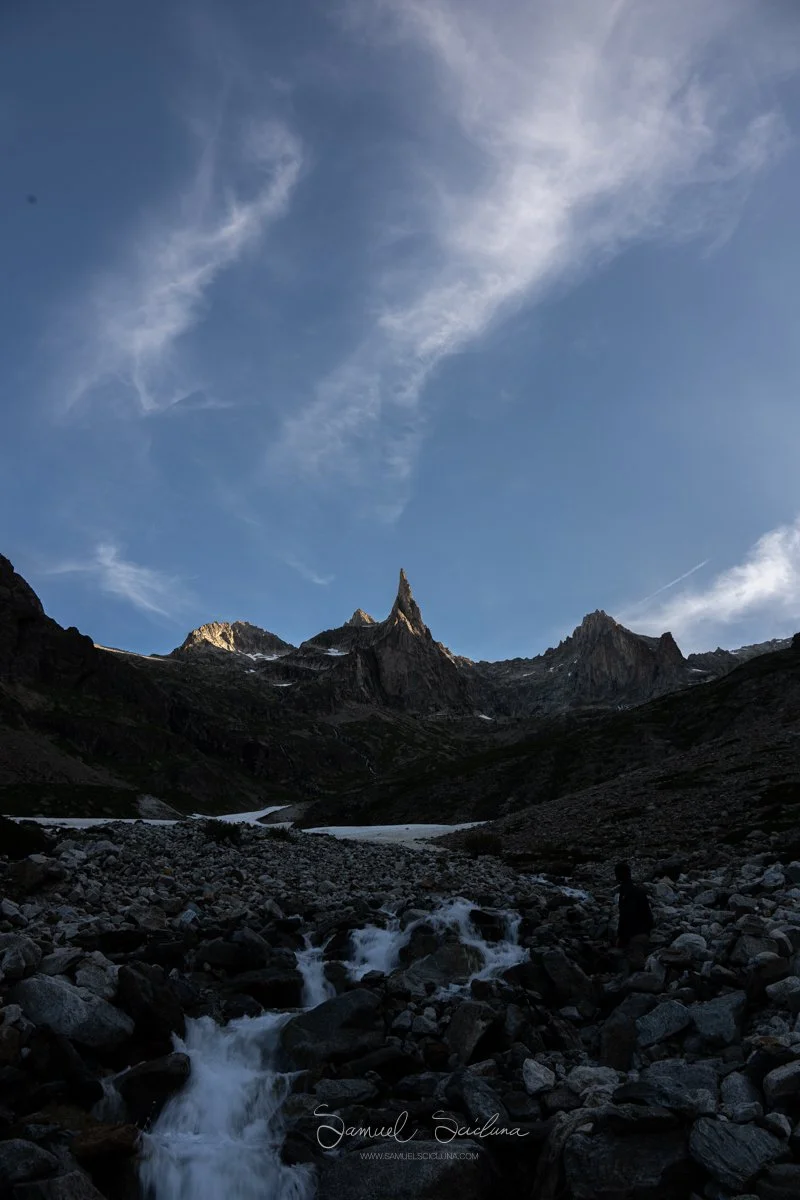
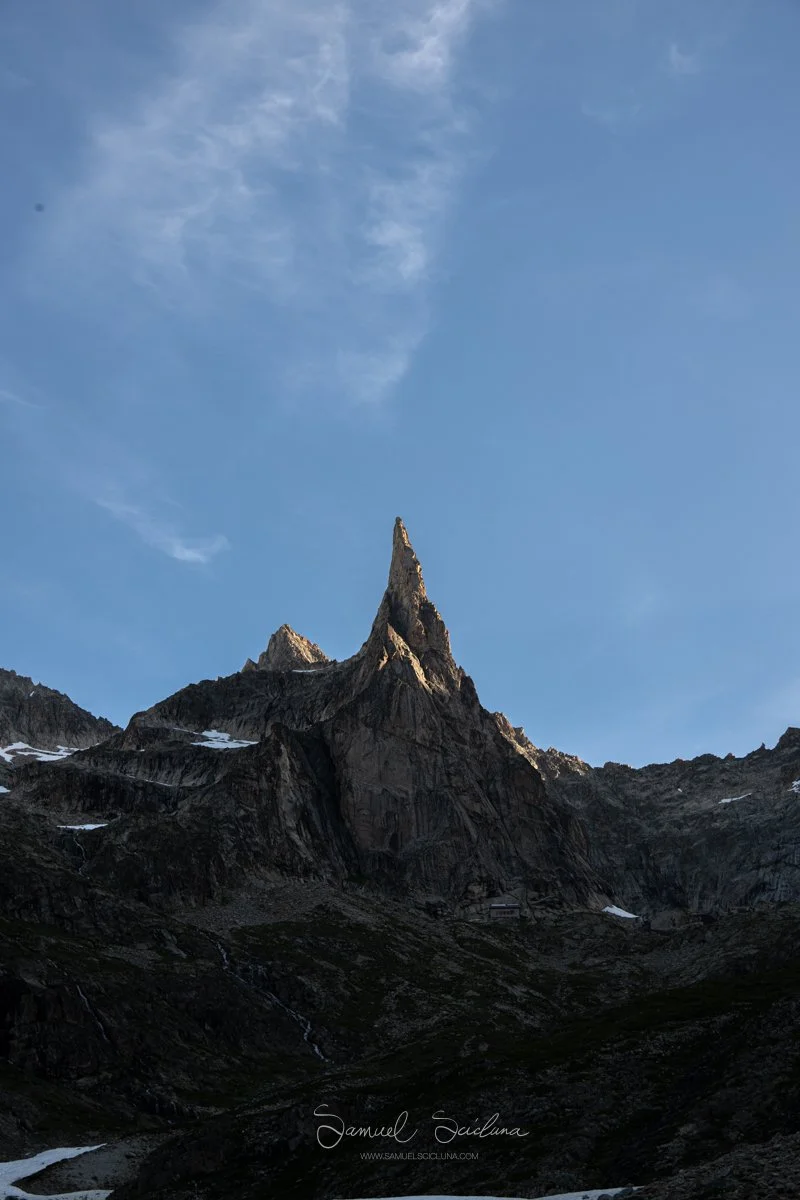
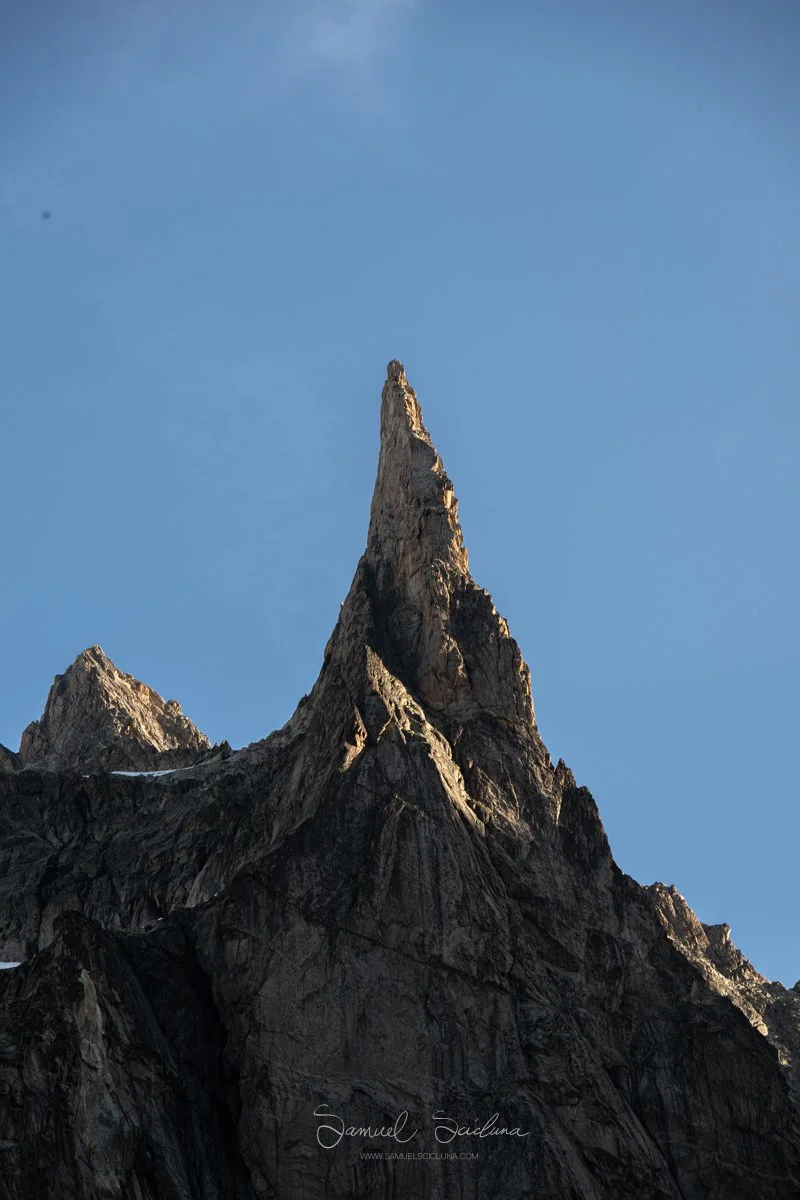
Above: A series of 4 images to show the incredible focal length range of this lens. Image 1: 28mm / Image 2: 70mm / Image 3: 200mm / Image 4: 400mm.
The Advantages
1. Striking Image Quality & Colour Rendering
Superzooms historically suffer from muddy contrast and soft edges, but the Z 28-400mm breaks the mould. Real-world shooting proves that this lens is remarkably sharp across its massive focal range. It captures fine details—like craggy alpine peaks or distant wildlife plumage—and renders punchy, vibrant Nikon colours exceptionally well. The sharpness does drop slightly from around 300mm, but it is still well within the range of what I consider sharp.
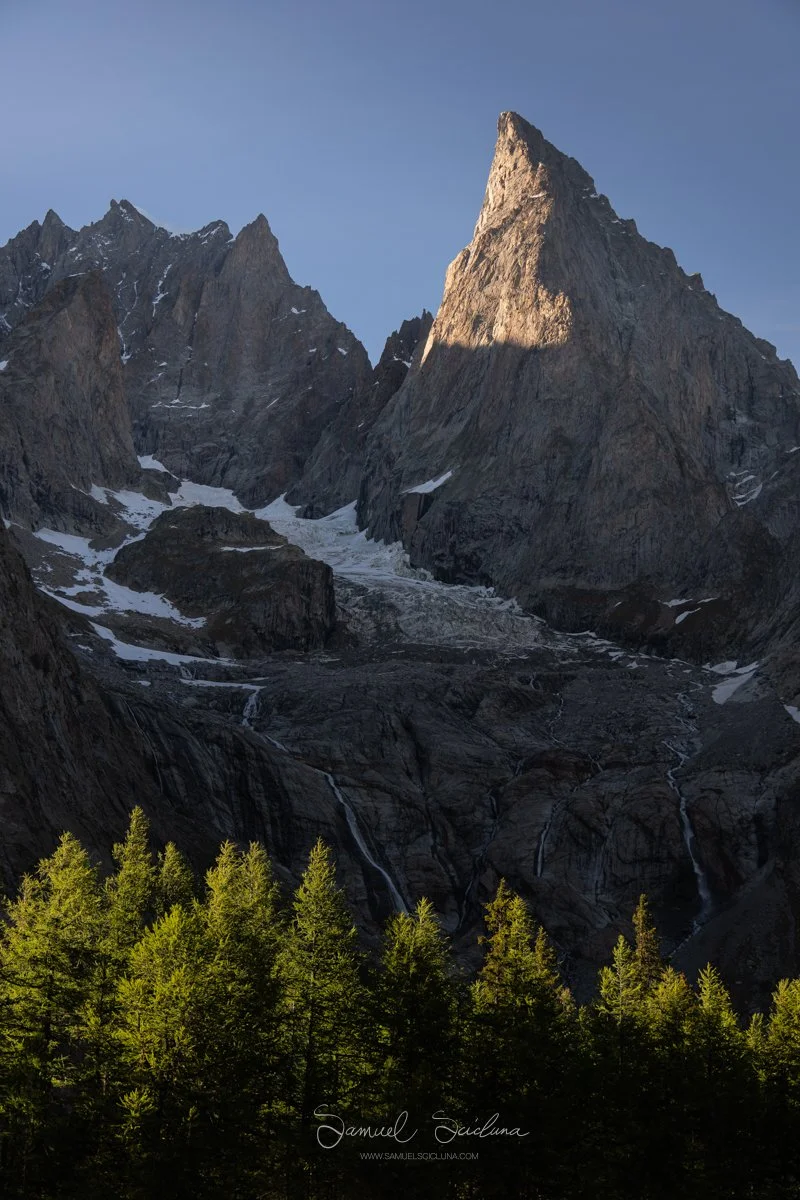
An image shot at 62mm
2. Incredible Weight & Space Savings
Weighing just 725 grams, it frees you from the physical toll of carrying multiple heavy lenses on steep mountain trails. It packs neatly into a small camera bag, saving space for other priorities such as additional clothing layers or overnight essentials when sleeping in mountain huts.
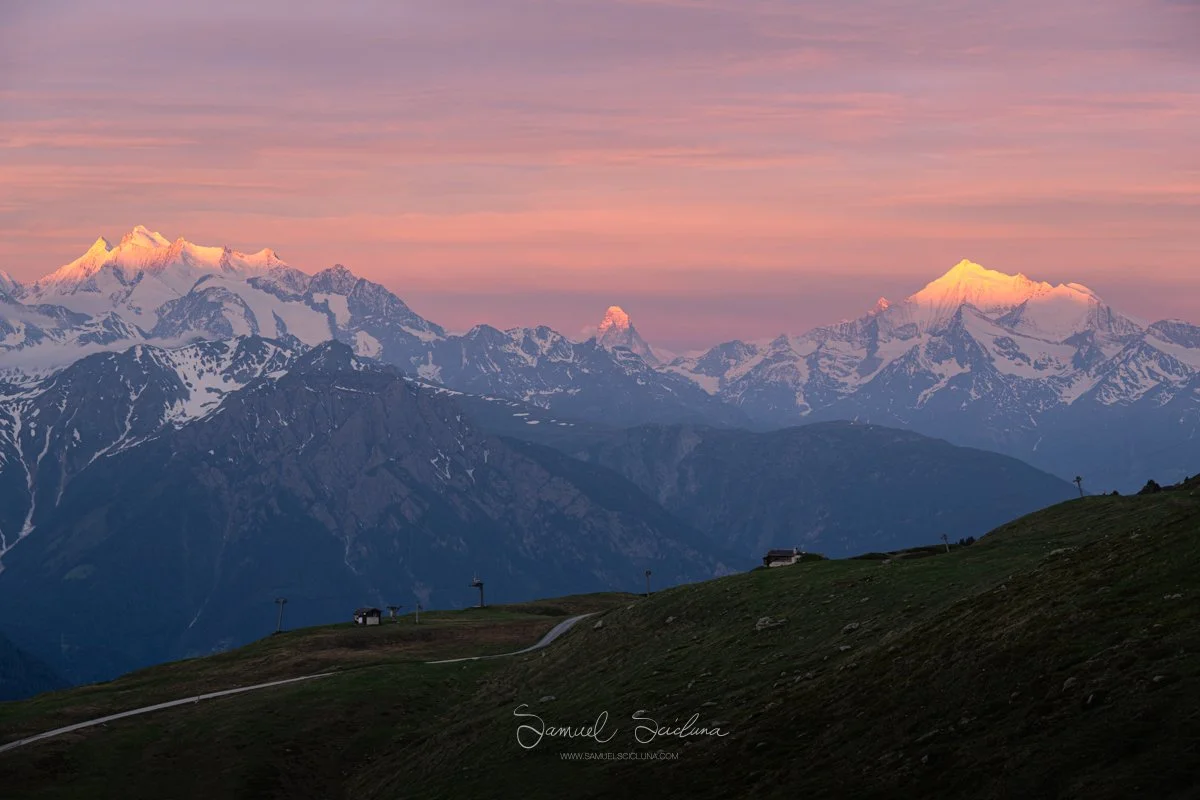
An image shot at 105mm
3. Tele-Macro and Close-up Flexibility
With a minimum focusing distance of just 0.2 meters at the wide end and an impressive 1.2 meters at 400mm (yielding a 0.35x maximum reproduction ratio), this lens doubles as an excellent tool for capturing alpine wildflowers or detailed textures along the trail.
4. Fantastic Value for Money
At a retail price hovering around $1,200 USD—and significantly cheaper if you manage to grab it on sale—this lens is highly accessible. Compared to buying a multi-lens kit (which can easily cost double or triple), it represents spectacular value for travel and landscape photographers.
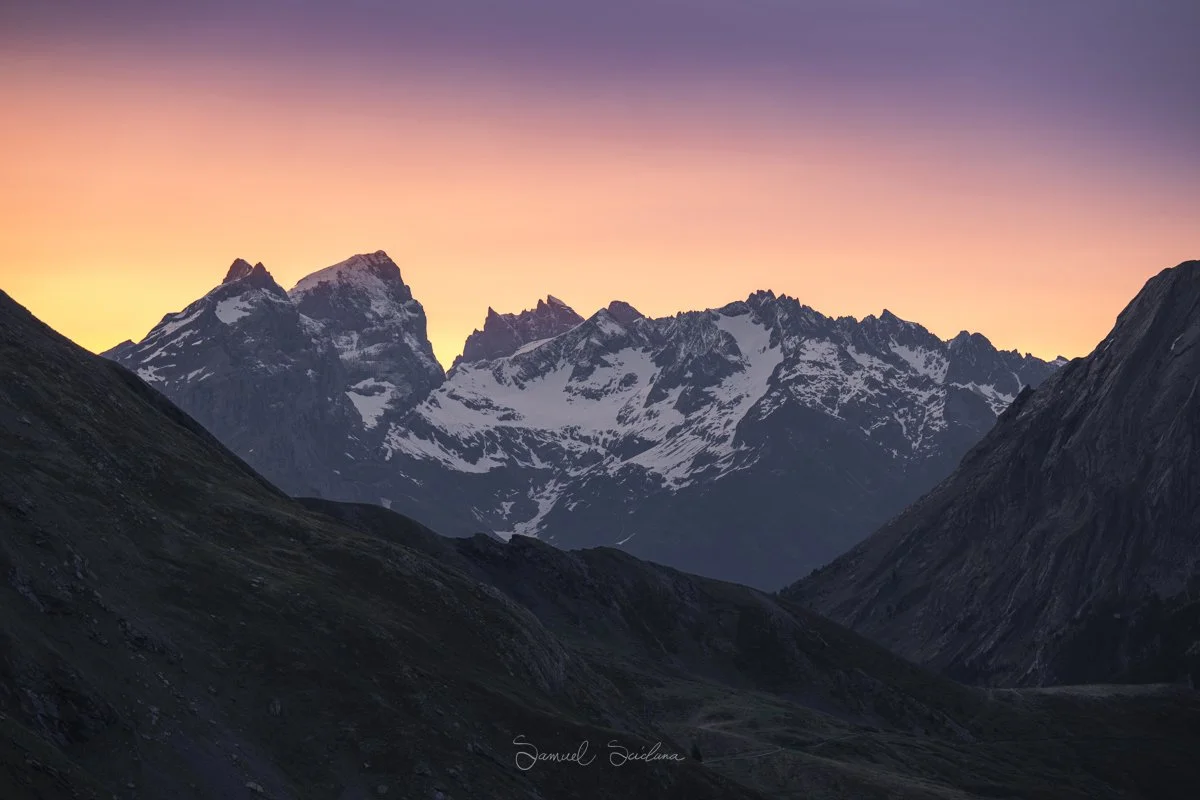
An image shot at 155mm
5. True 400mm Reach
Optical testing confirms that the lens delivers a true 400mm field of view at the long end (not short-changing the user via focal-length breathing at infinity). This was tested using a fixed setup on a tripod and compared to both my Nikon Z 100-400mm lens and Nikon Z 150-600mm lens.
6. Excellent Flare Resistance
Despite having 21 optical elements packed inside, ghosting and flare are remarkably well-controlled, even when shooting directly into the sun. This was tested multiple times during sunrise and sunset, when including the sun in the frame.
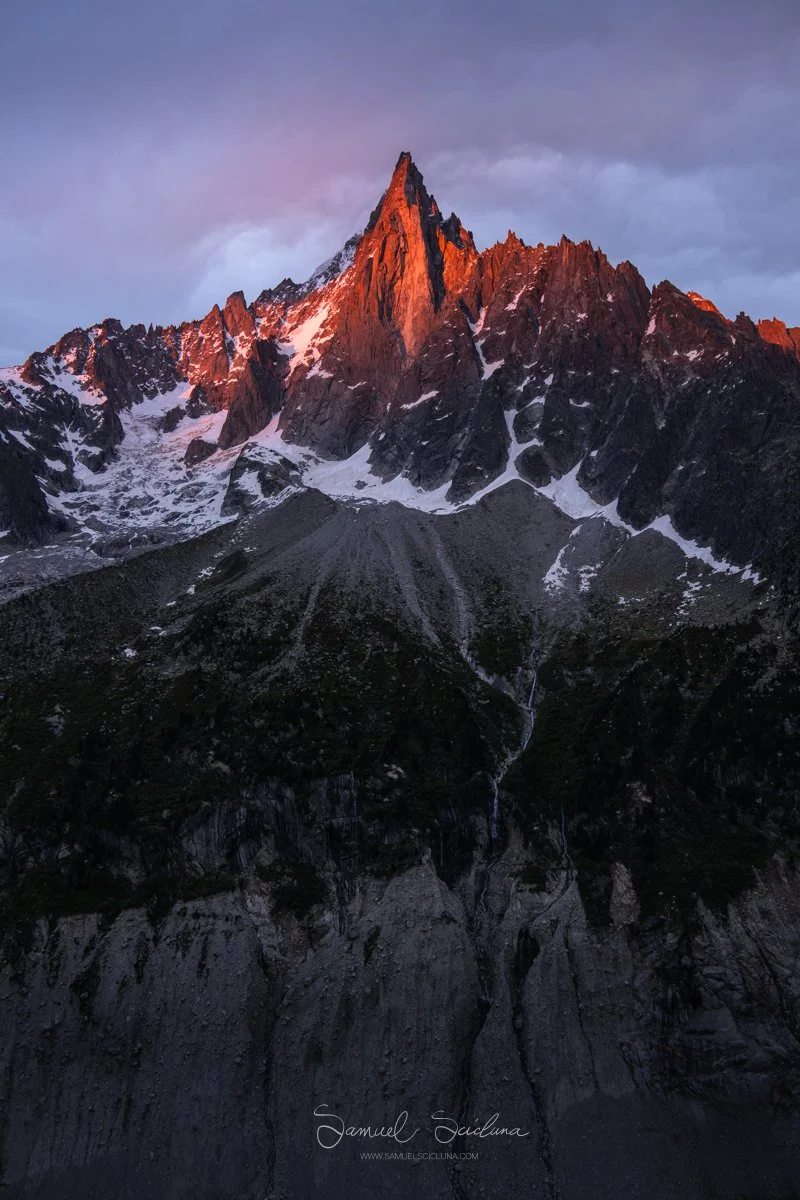
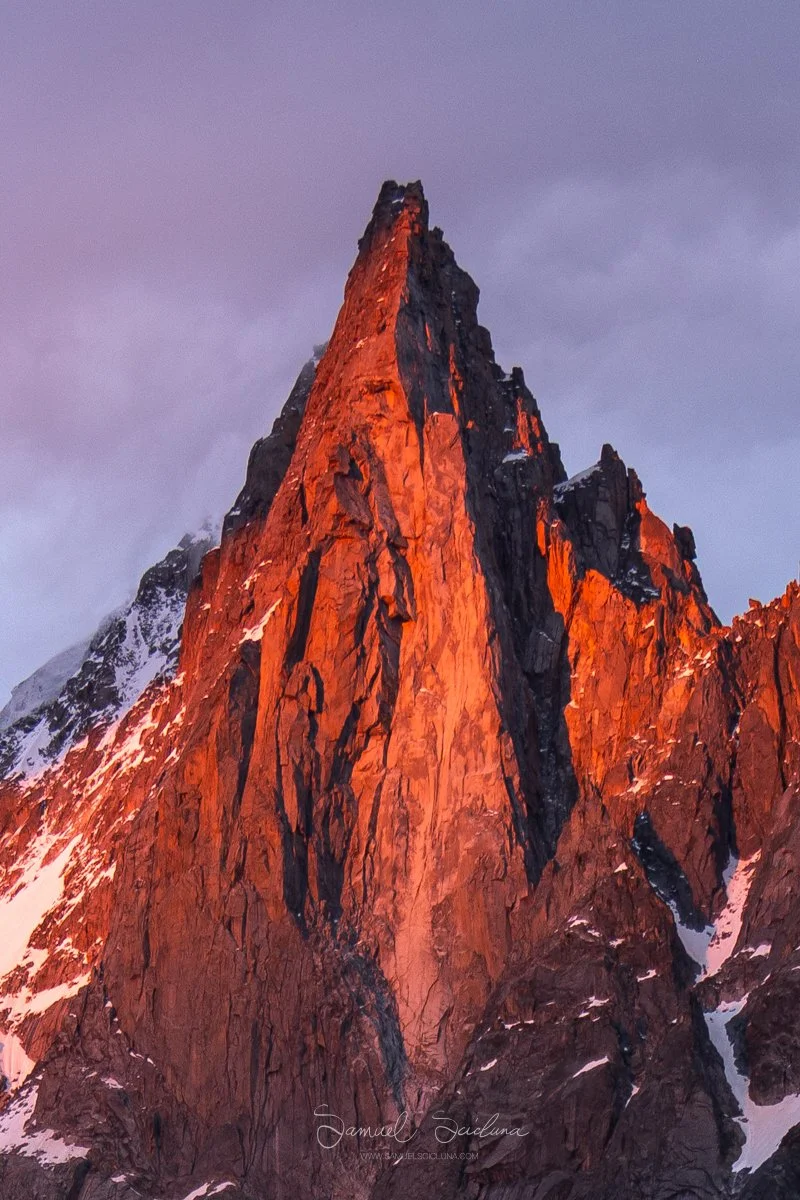
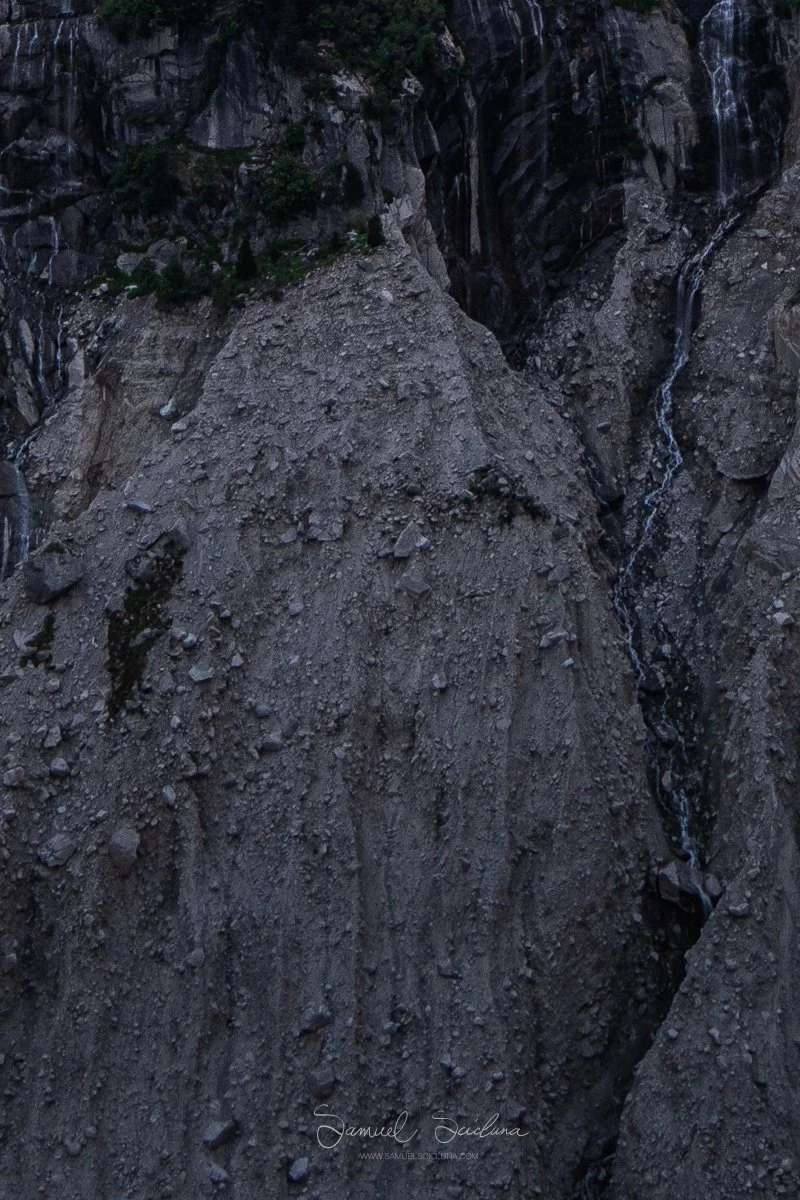
Above: An image shot at 35mm, including 100% crops of the top and bottom of the image to show the detail/sharpness.
7. 77mm Filter Thread
This lens has a 77mm filter thread, making it the same size as both the Nikon Z 24-120 f4 lens and the Nikon Z 100-400 f4.5-5.6, meaning any existing filters are interchangeable and can be used on this lens without needing a step-up / step-down ring.
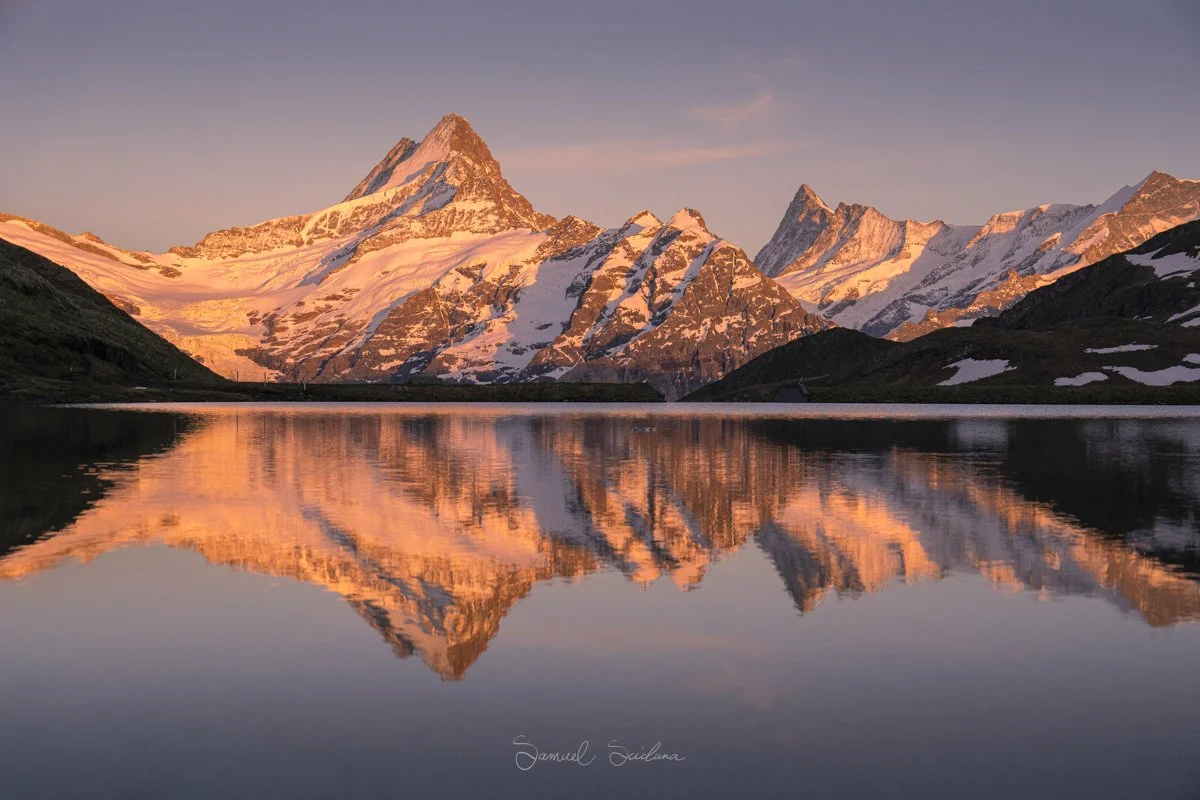
An image shot at 50mm
The Disadvantages
1. The f/8 Diminishing Aperture
The most significant compromise is the variable aperture. The lens steps down quickly as you zoom, hitting f/8 by 190mm and staying there up to 400mm. While less of an issue for bright, daylight landscape photography, it limits your subject separation (bokeh) and forces you to increase the ISO in low-light conditions, such as twilight or deep forest canopies.
2. Lacks Premium S-Line Coatings & Features
To keep the price and weight down, Nikon omitted their premium ARNEO/Nano Crystal coatings and fluorine front coating. It also lacks physical Fn buttons or a dedicated focus distance window of the more premium S Line lenses.
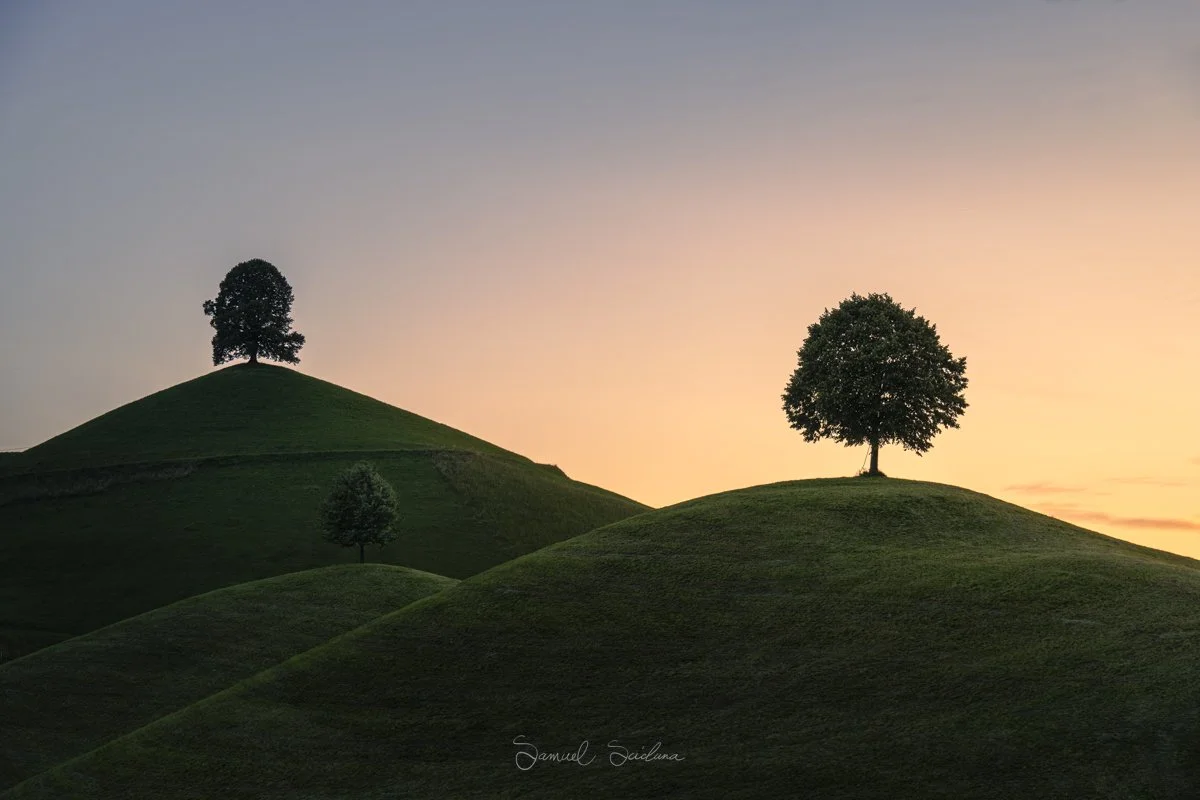
An image shot at 105mm
3. Dual-Telescoping Lens Creep
Because the barrel extends significantly via a dual-telescoping mechanism when zooming to 400mm, it is physically vulnerable to rough handling. Thankfully, Nikon included a zoom lock switch to prevent the lens from creeping open whilst hanging or walking with the camera in your hands.
4. The "Long Throw" Barrel
To go from 28mm to 400mm requires a massive physical extension of the dual-telescoping barrel. Reviewers warn that this "air pump" design is highly susceptible to sucking in dust and moisture over time if used heavily in adverse weather.
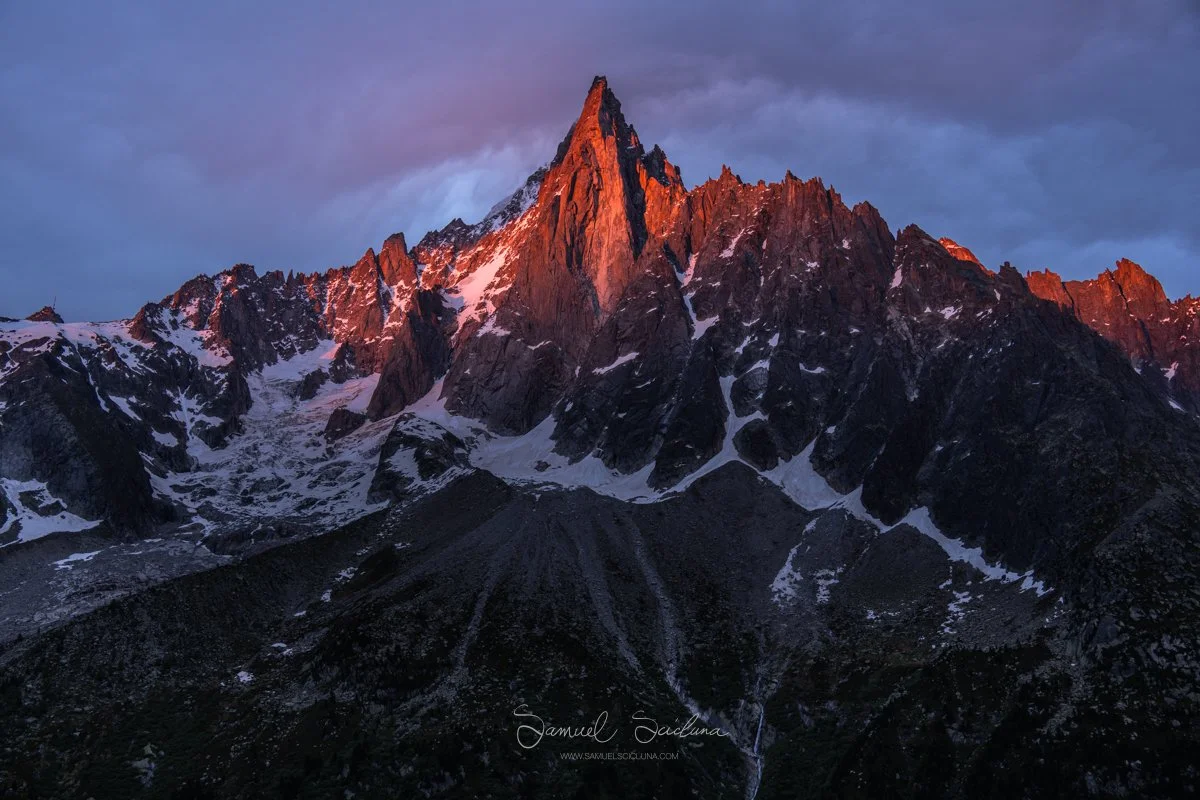
An image shot at 35mm
The Verdict:
If your ultimate goal is clinical, edge-to-edge perfection in a controlled environment, your 24-120mm f/4 and 100-400mm S-line lenses will still provide slightly better image quality. However, for backcountry hiking and high-altitude expeditions, especially when gaining significant elevation, the Nikon Z 28-400mm f/4-8 VR is, at least in my opinion, an absolute no-brainer. It is a triumph of modern technology and optics, and whilst it sacrifices a bit of low-light capability, it gives you an incredible focus range in a compact and lightweight unit.
Please Note: This is not a sponsored review. I bought this lens based on my research and will be using it for a very specific niche, which is when I need to keep the weight in my camera bag to a minimum, such as when hiking in the mountains.