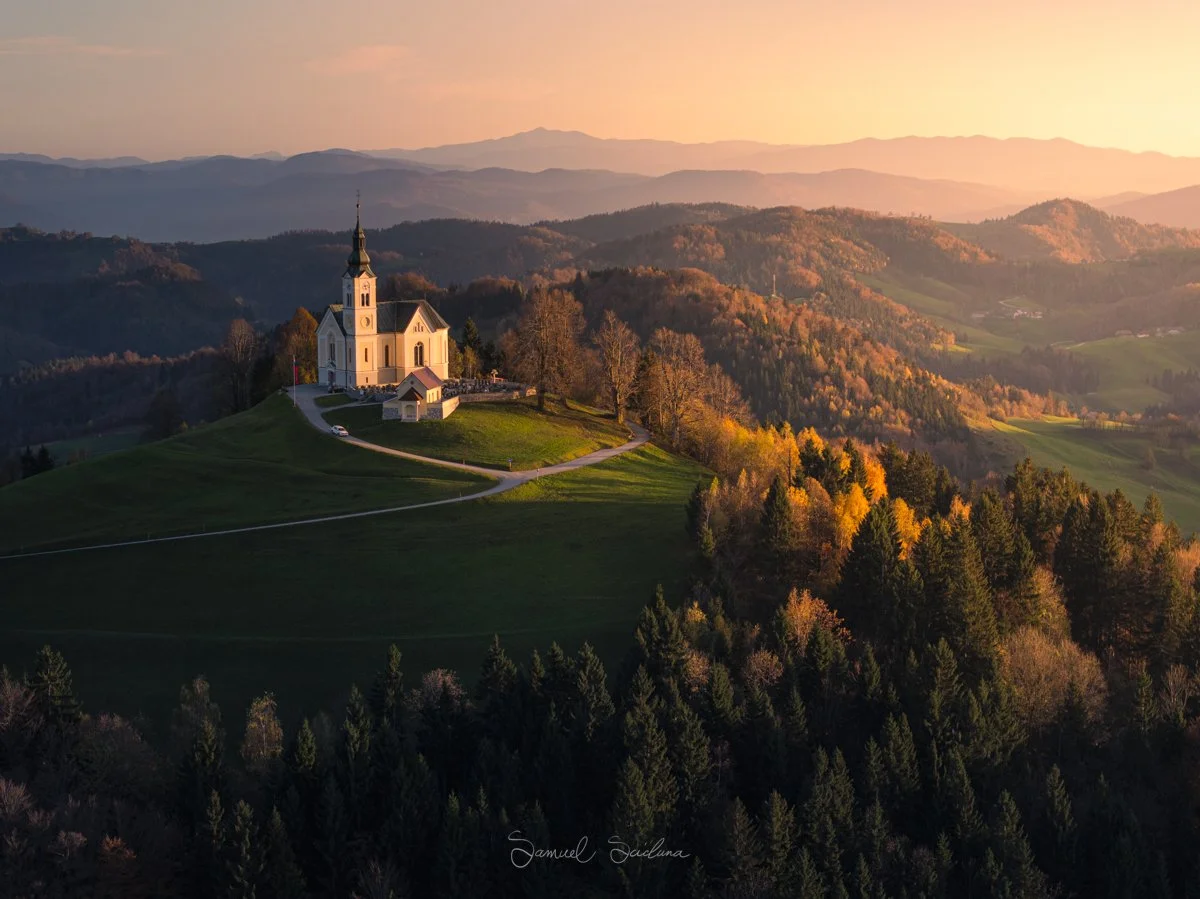
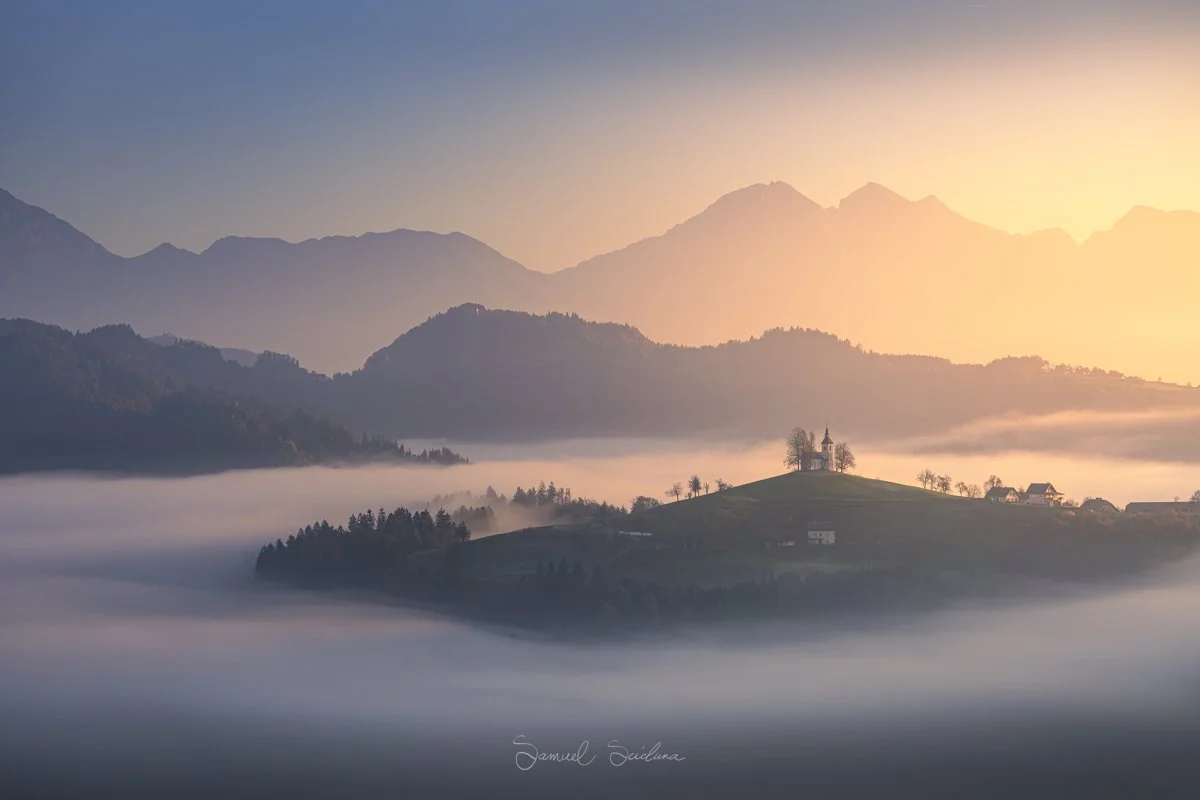
Autumn is arguably the most fleeting and rewarding season for landscape photographers. The combination of fiery foliage, low-angled golden light, and atmospheric morning mist creates a palette that no other season can match. However, capturing the "feeling" of autumn requires more than just pointing at a colourful tree.
Here are 10 tips to help you master the art of autumn photography.
1. Use a Circular Polarising filter
A circular polariser is your most important tool in autumn. It does more than just make the sky more blue; it removes the "micro-glare" from waxy leaves, which allows the true saturation of the reds, oranges, and yellows to shine through.
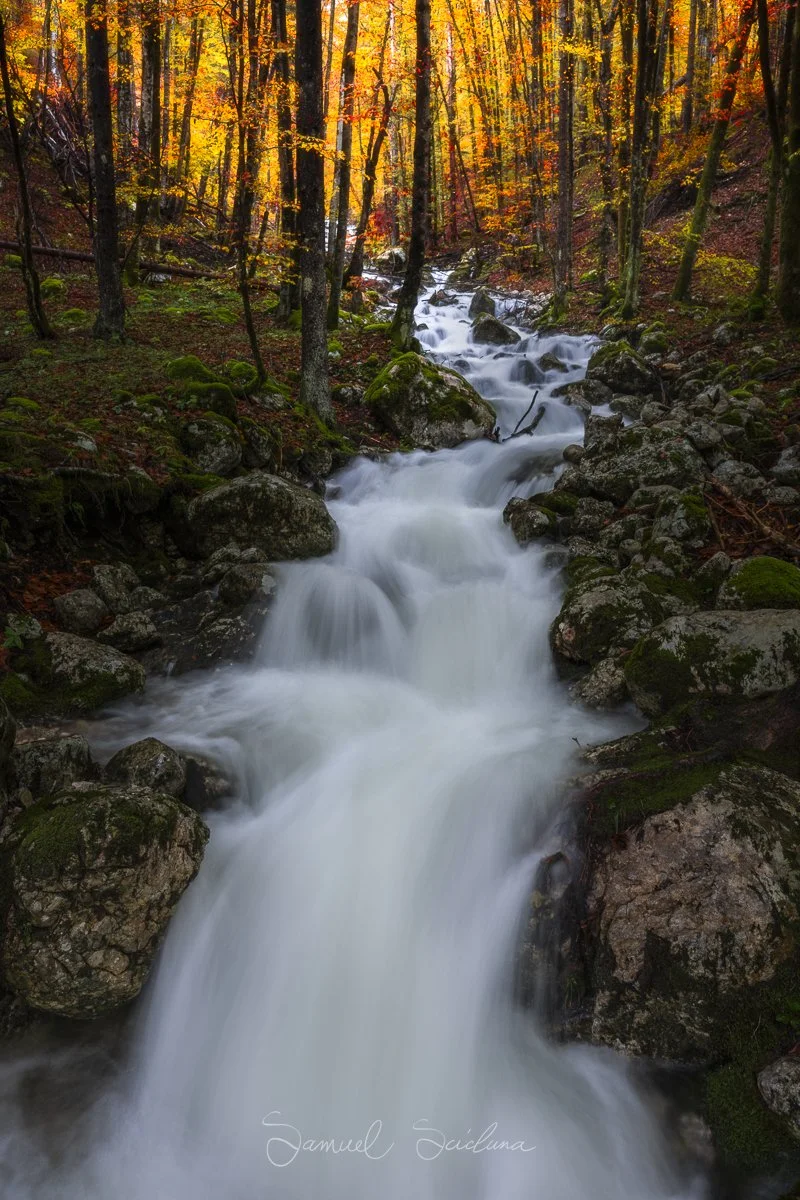
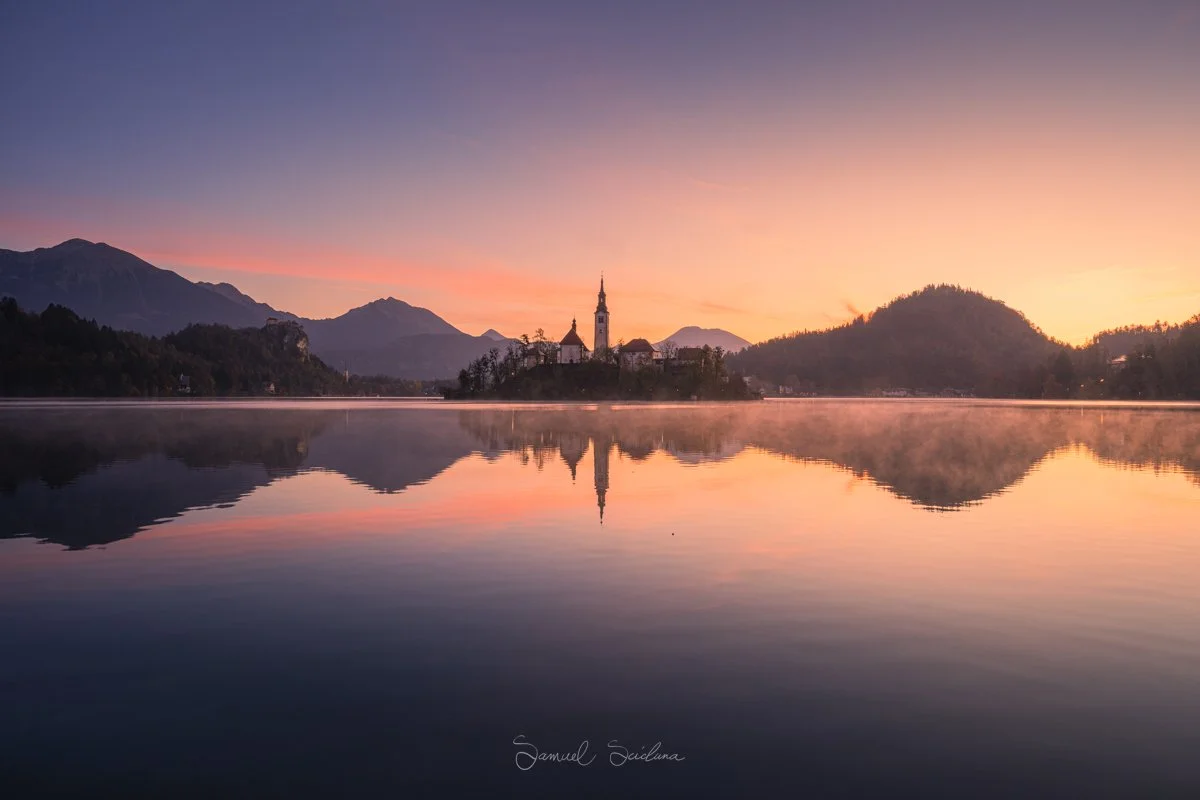
2. Bluehour and Predawn Colours
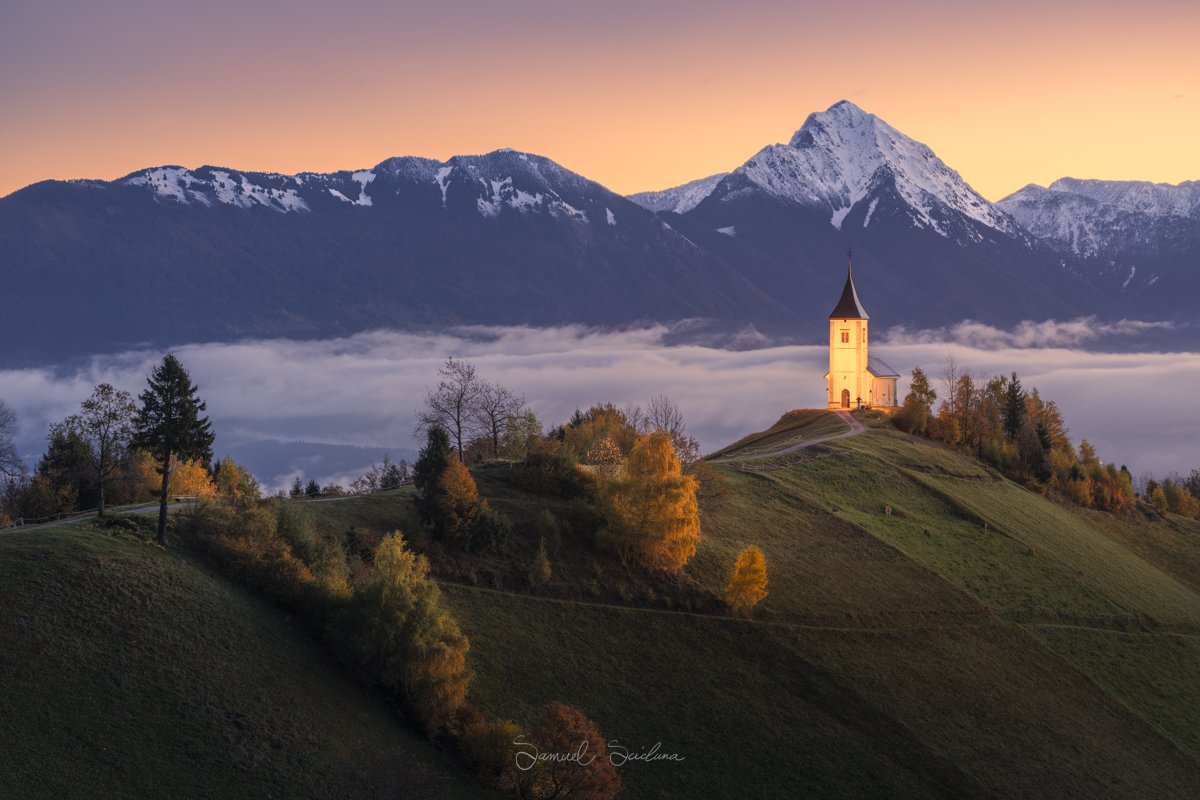
Pre-sunrise and post-sunset colour in the sky can help create some incredible images. This usually happens with local mid to high-level clouds or clear skies when shooting in the direction of sunrise/sunset.
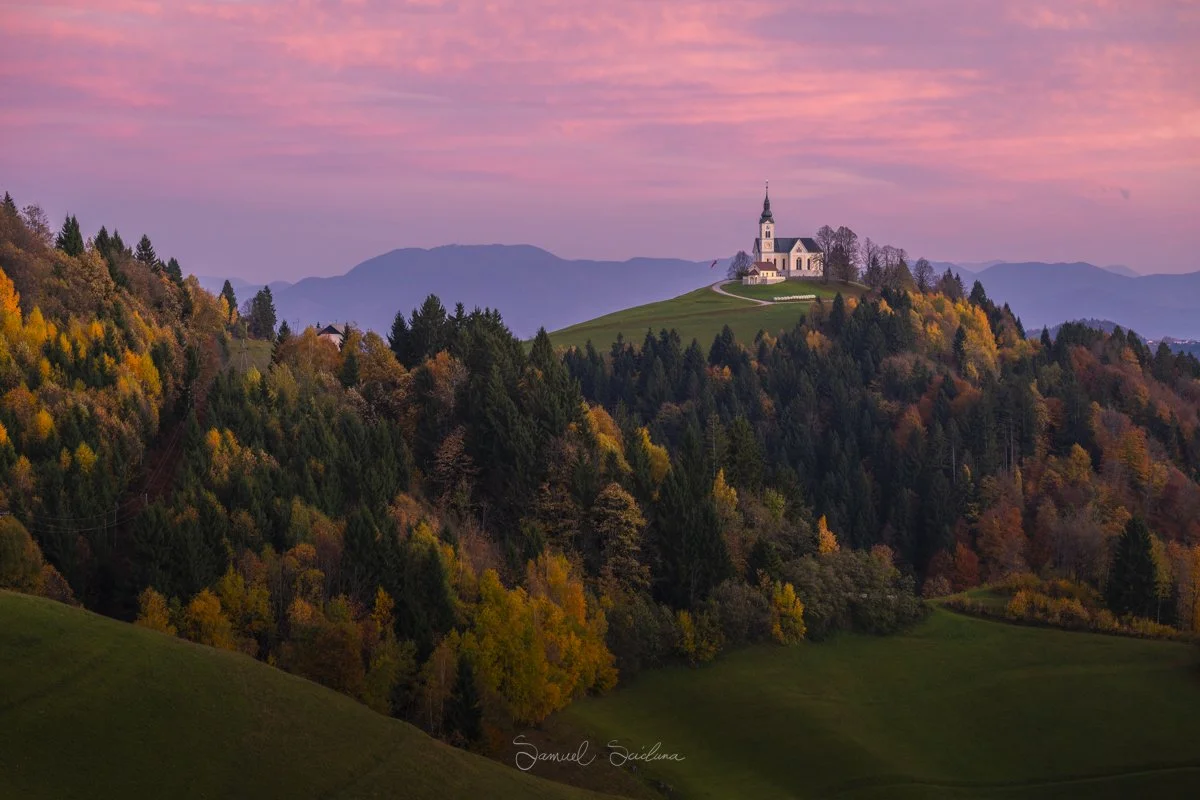
3. Use Backlight
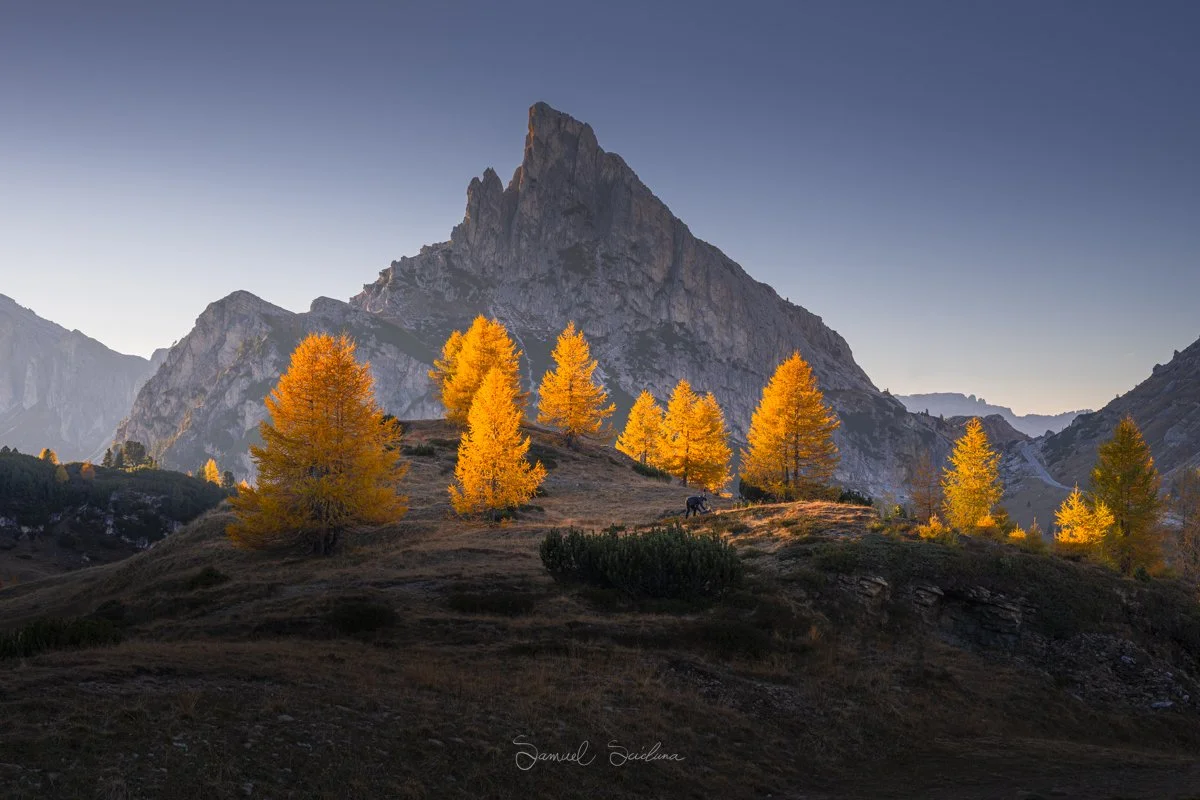
While the golden hour is always stunning, it is even better in autumn. Backlighting (shooting toward the sun) makes autumn leaves glow, and really helps the colours pop.
4. Look for colour contrast
To make your images dynamic, look for complementary colours. The colour wheel is your best friend here:
Blue and Gold: A bright yellow larch against a deep blue sky or cool shadow.
Green and Red: A single red maple leaf resting on a bed of green moss. Using these "colour pops" creates a natural focal point that draws the viewer’s eye immediately.
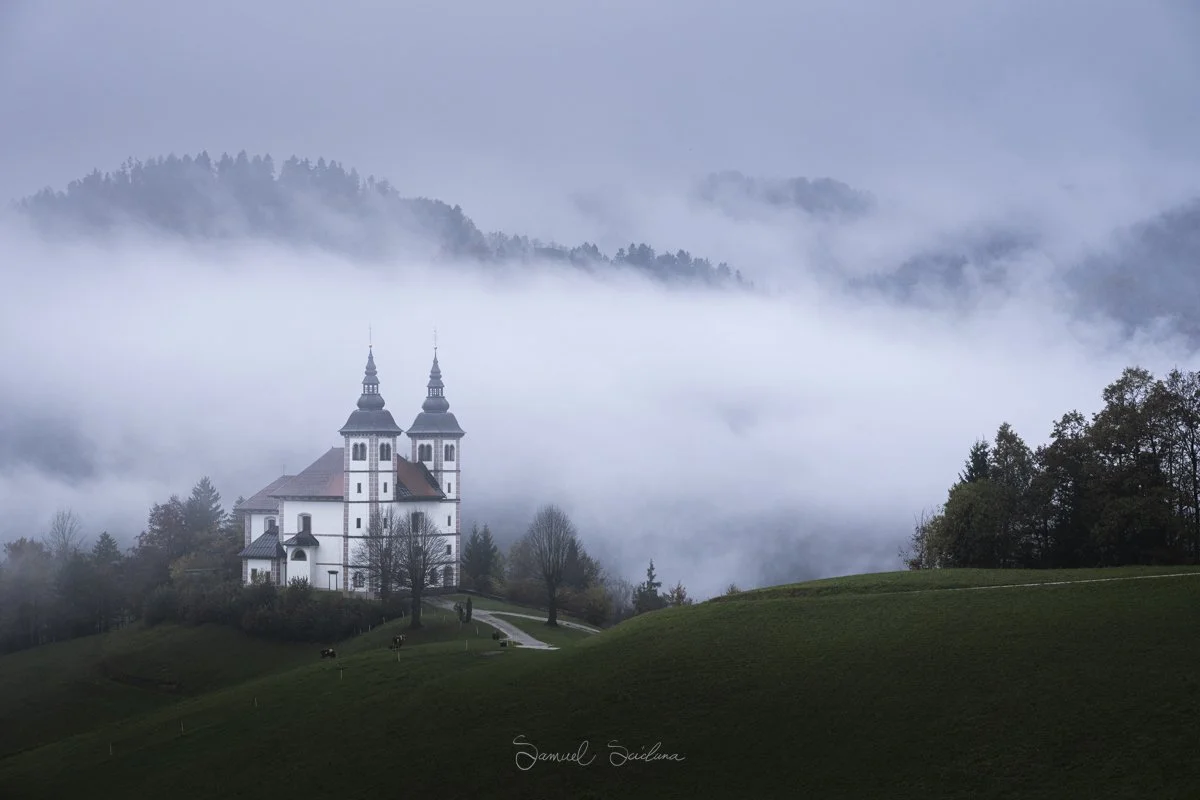
5. Overcast days work great too!
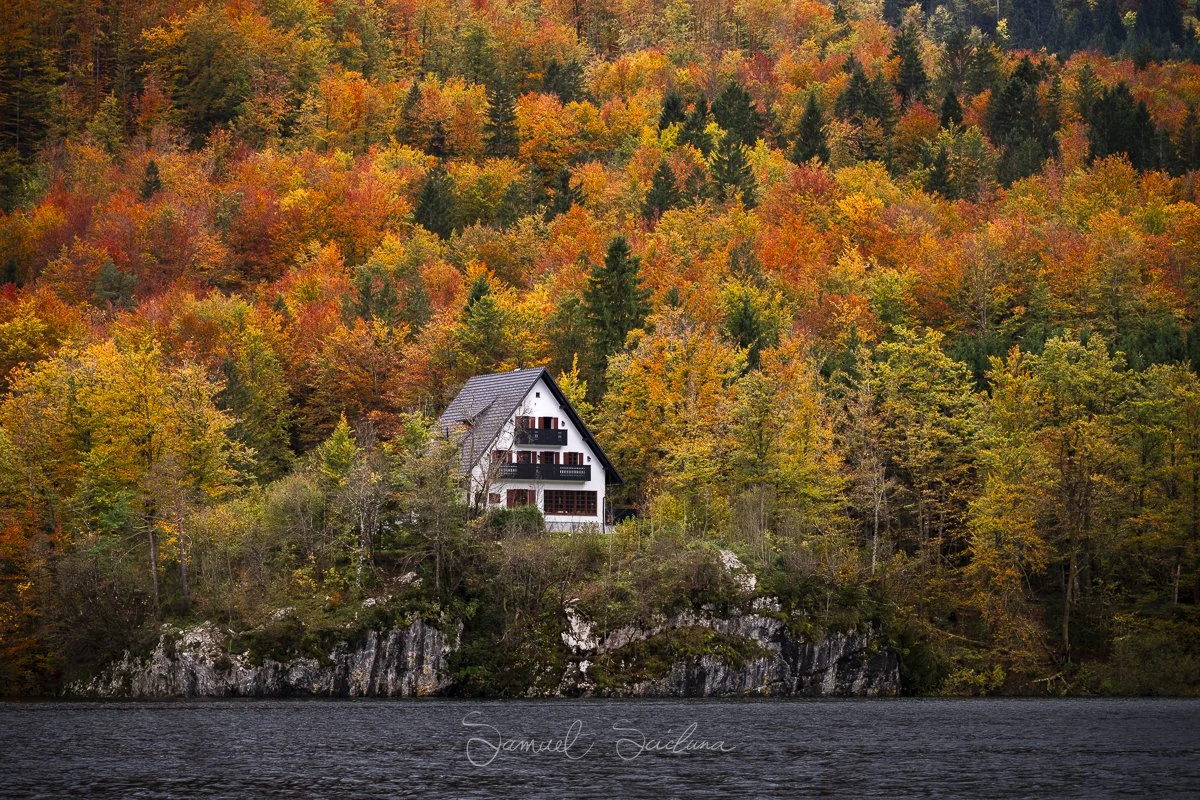
Bright sun isn't always best for autumn colours. Overcast skies act as a giant softbox, providing even light that prevents "blown-out" highlights and deep, messy shadows.
6. Side light
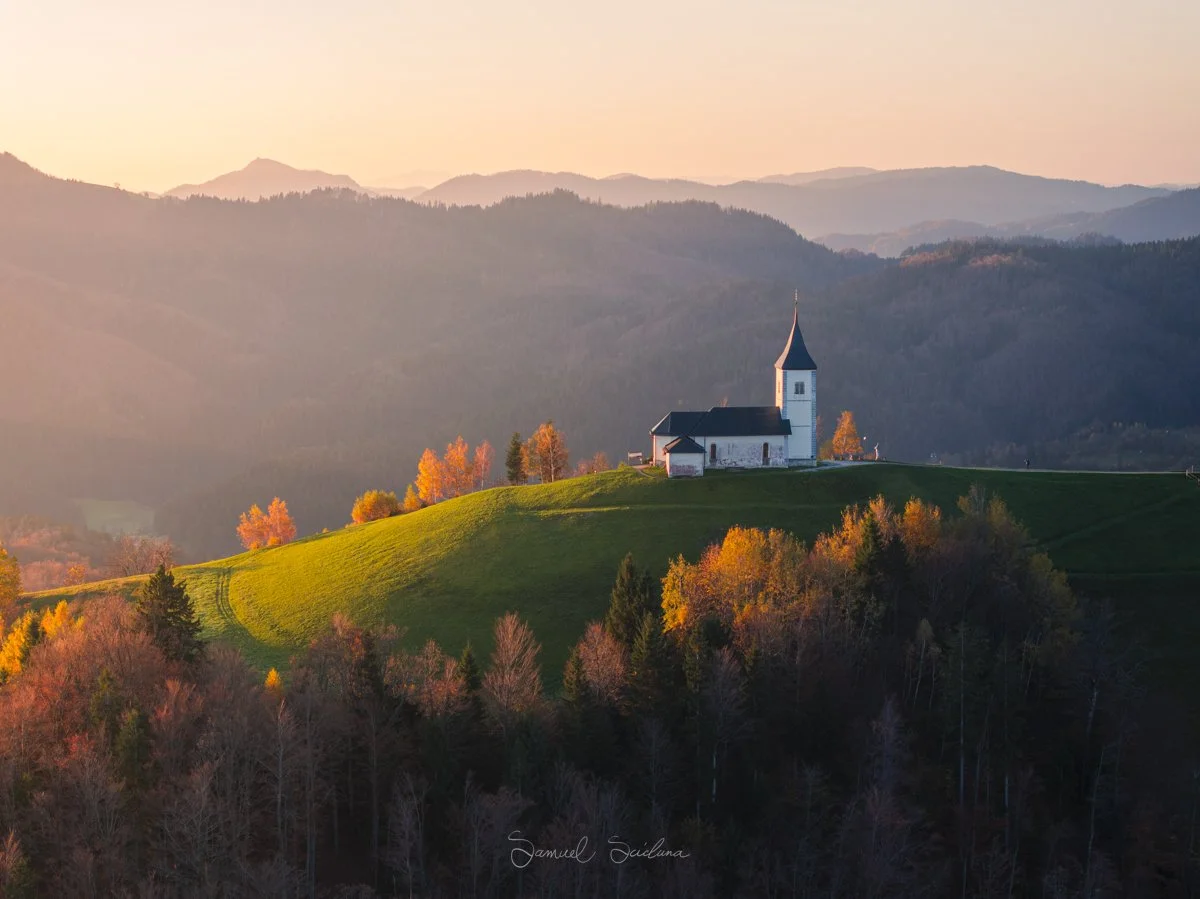
Sidelight also works great to bring out the autumn colours and texture in the scene. Study which locations look best with backlight and sidelight and plan your shoots accordingly.
7. Hit the peak
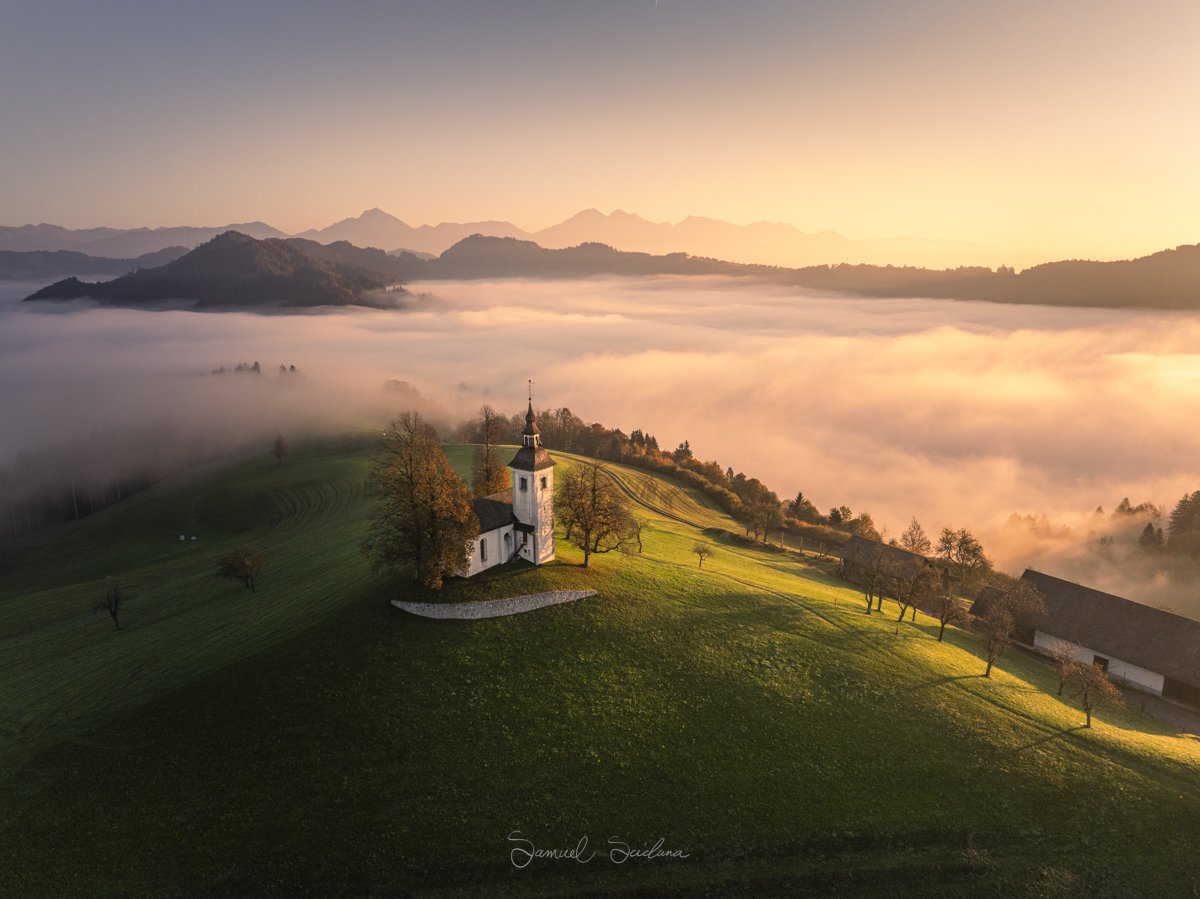
Autumn is all about timing. Use apps like Peak Visor or local "foliage trackers" (common in New England, Japan, and the UK) to find exactly where the colour is hitting its 100% saturation point, this will enable you to make the most of the conditions.
8. Use a Telephoto Lens
Whilst wide-angle lenses are great for vistas, a telephoto lens (70-200mm or 100-400mm) is often better for autumn forests. Long focal lengths "compress" the scene, making the trees appear closer together, and the colours look much denser and more lush than they do in real life.
9. White Balance is key
Your camera’s "Auto White Balance" (AWB) often tries to "correct" the warmth of autumn by adding blue tones, which dulls the yellows, oranges and reds. If you notice your colours are cool in camera, try switching the whitebalance to shade or cloudy, which will warm them up slightly. Also, as always, ensure you are shooting in RAW to be able to correct this in post-processing.
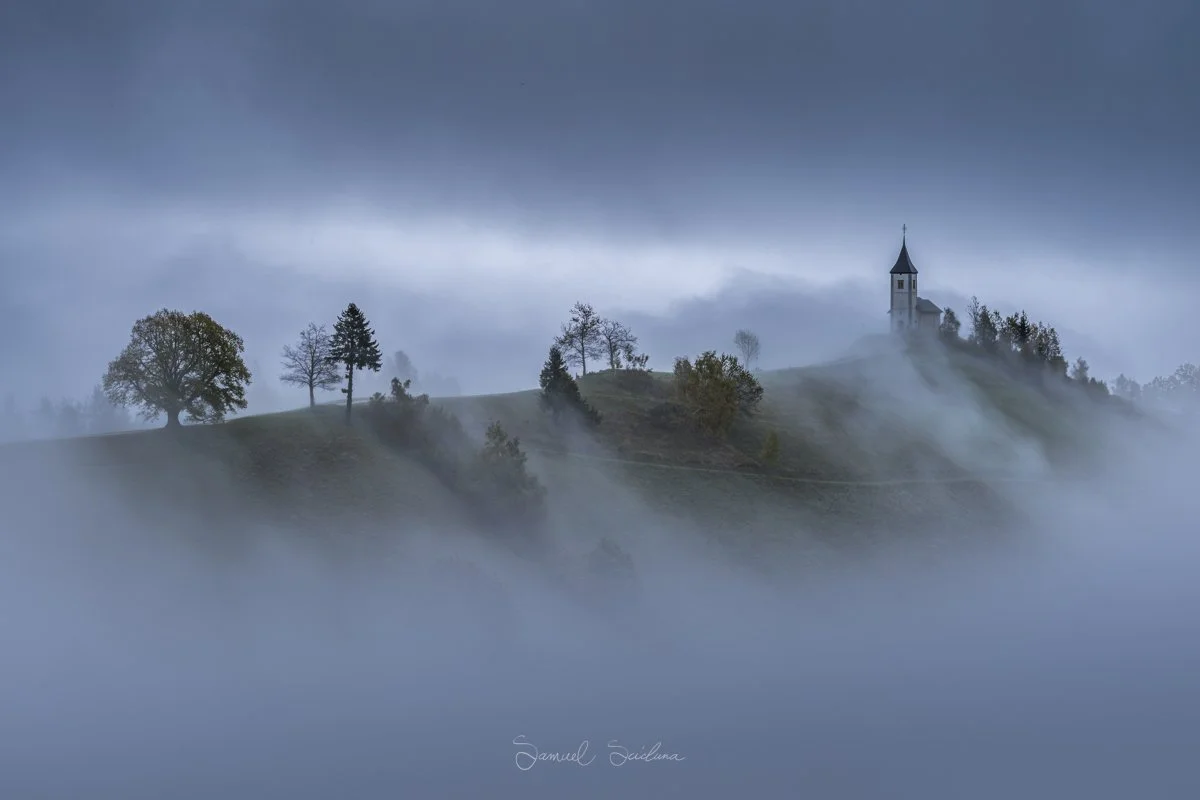
10. Hunt for Fog
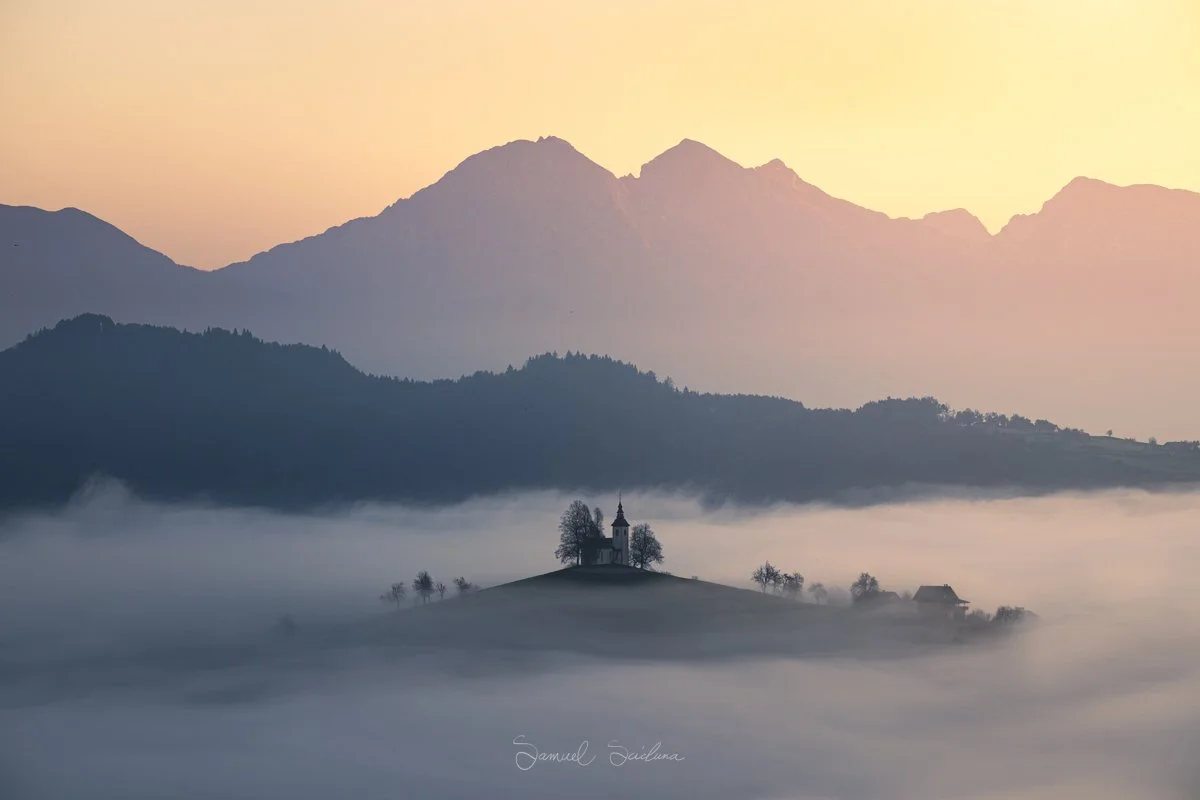
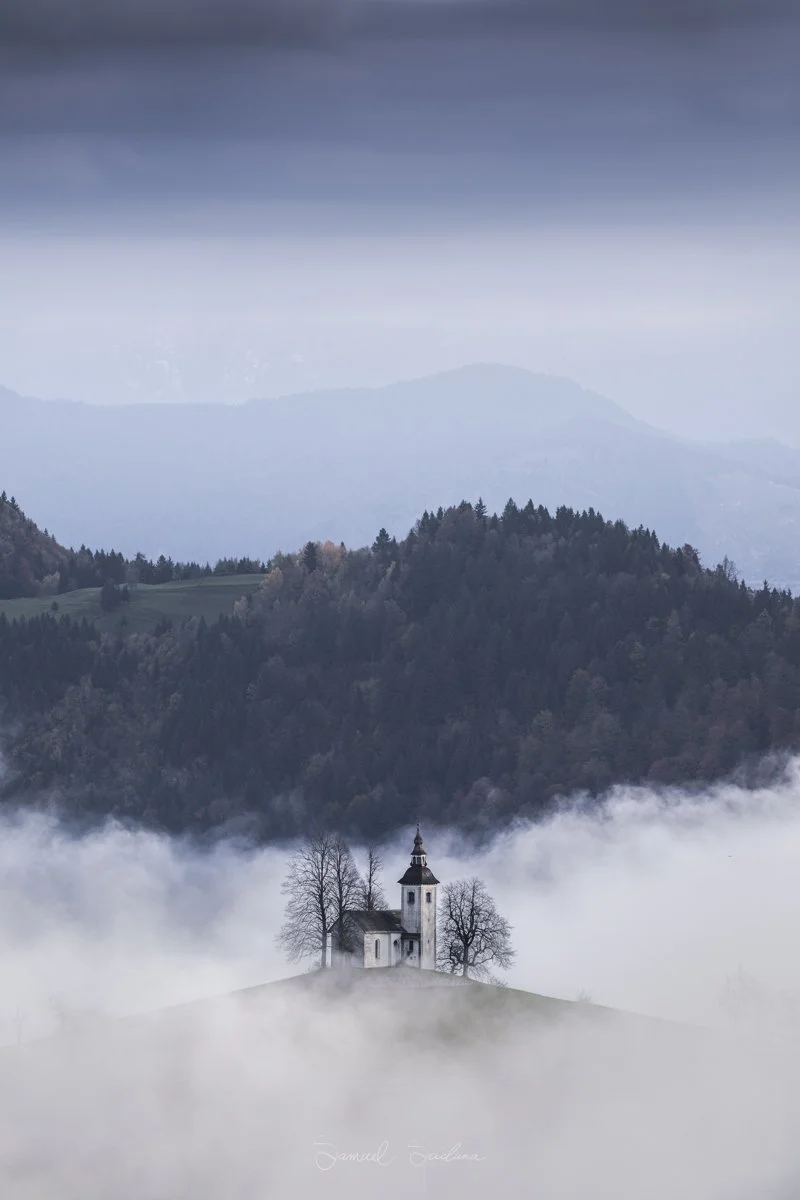
Fog helps simplify images, hiding distractions and creating a more dreamy and ethereal feel. Fog also helps to create layers, seperation and give more depth of field.
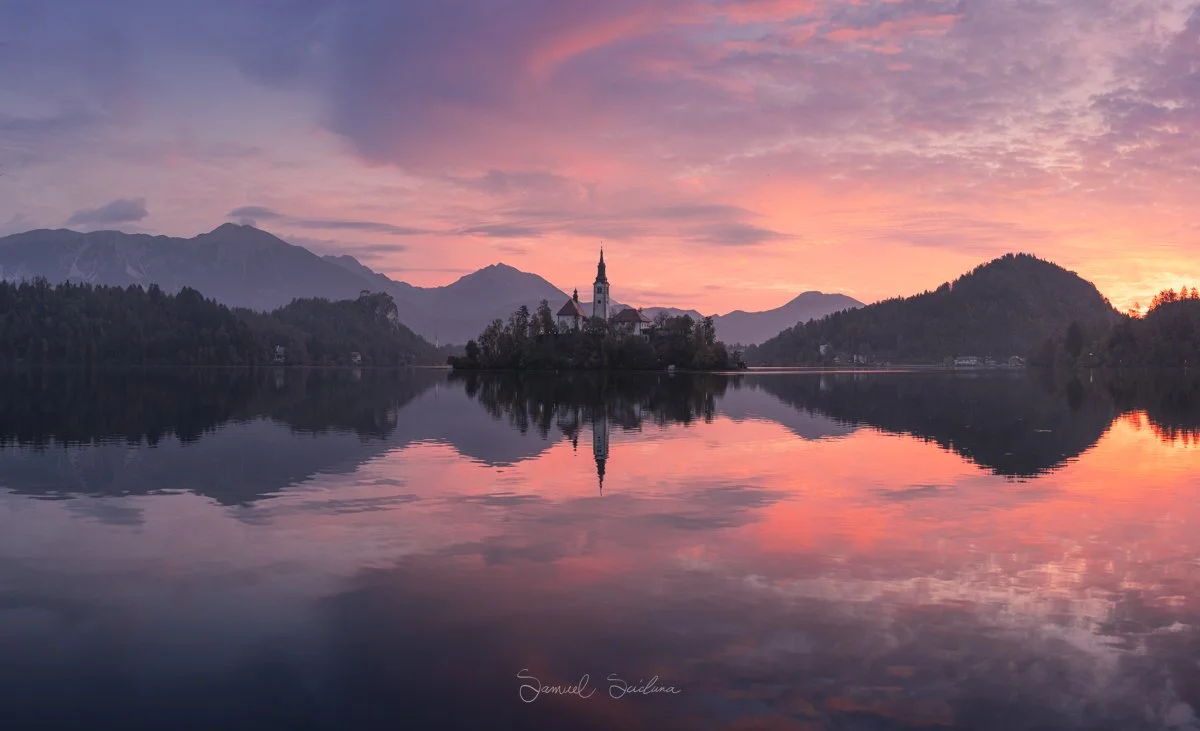
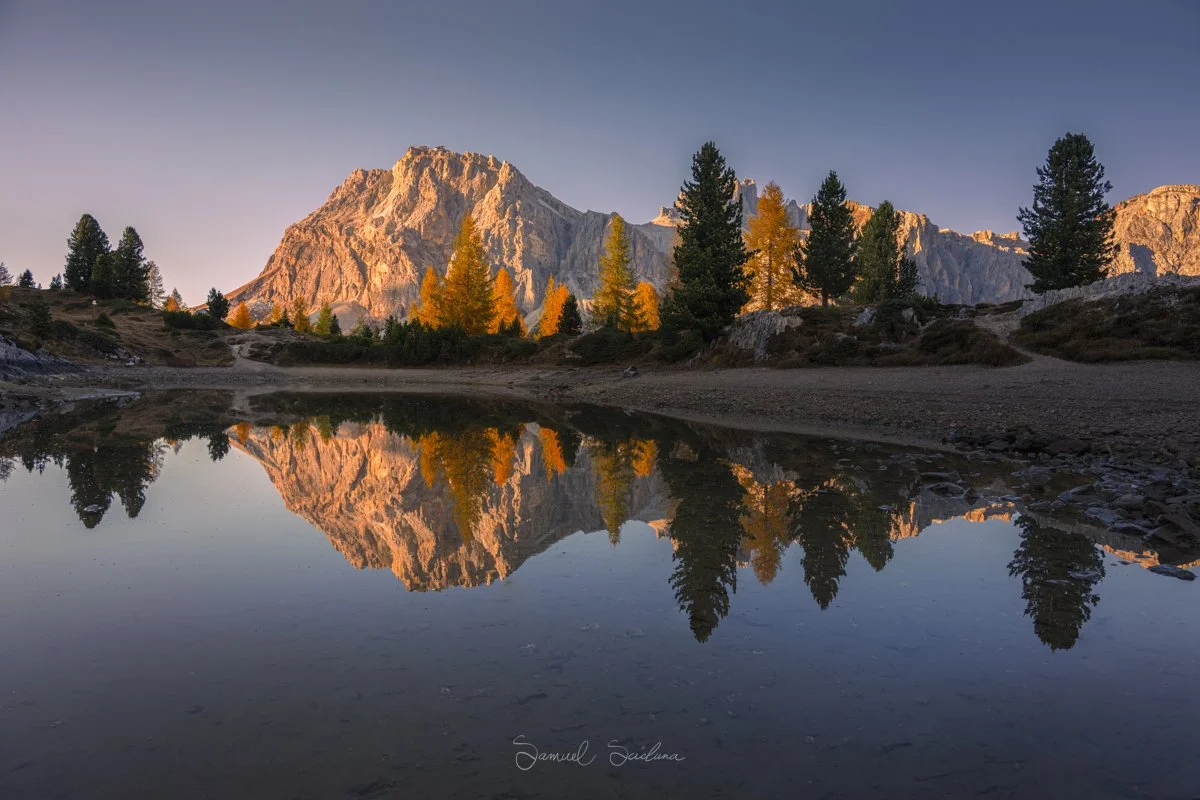
11. Reflections
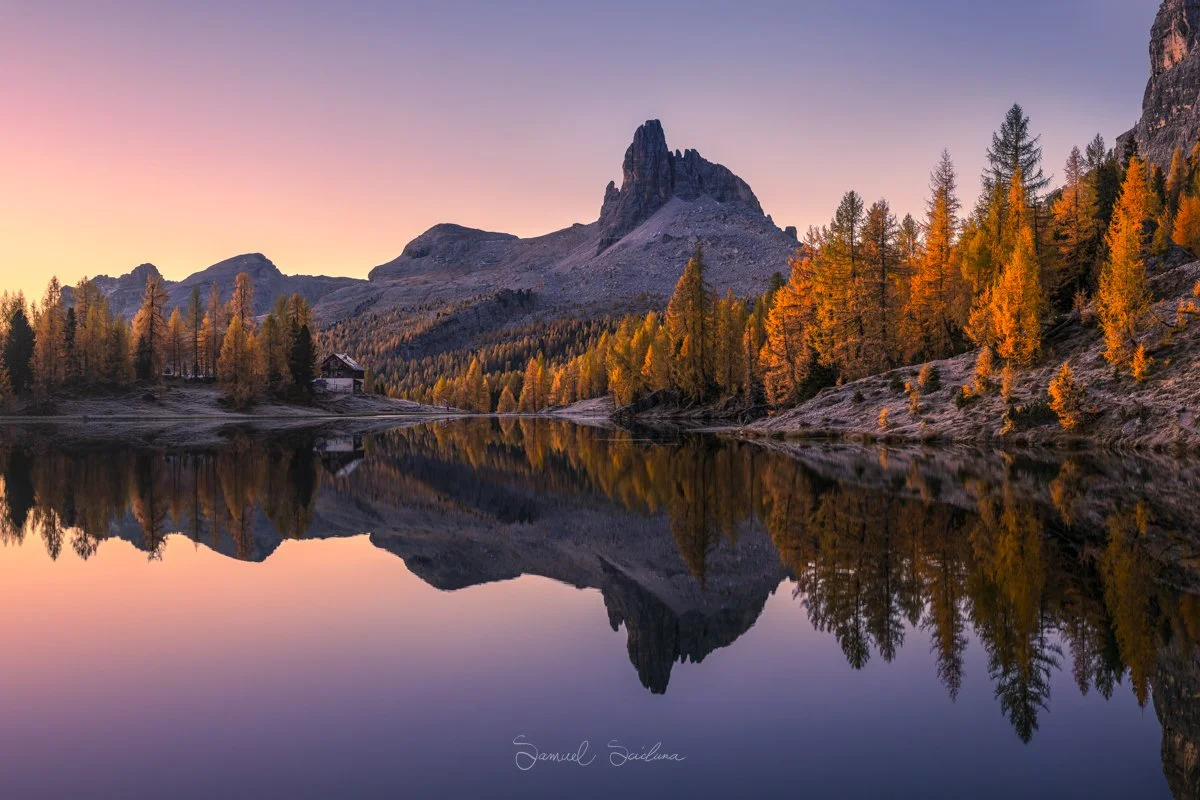
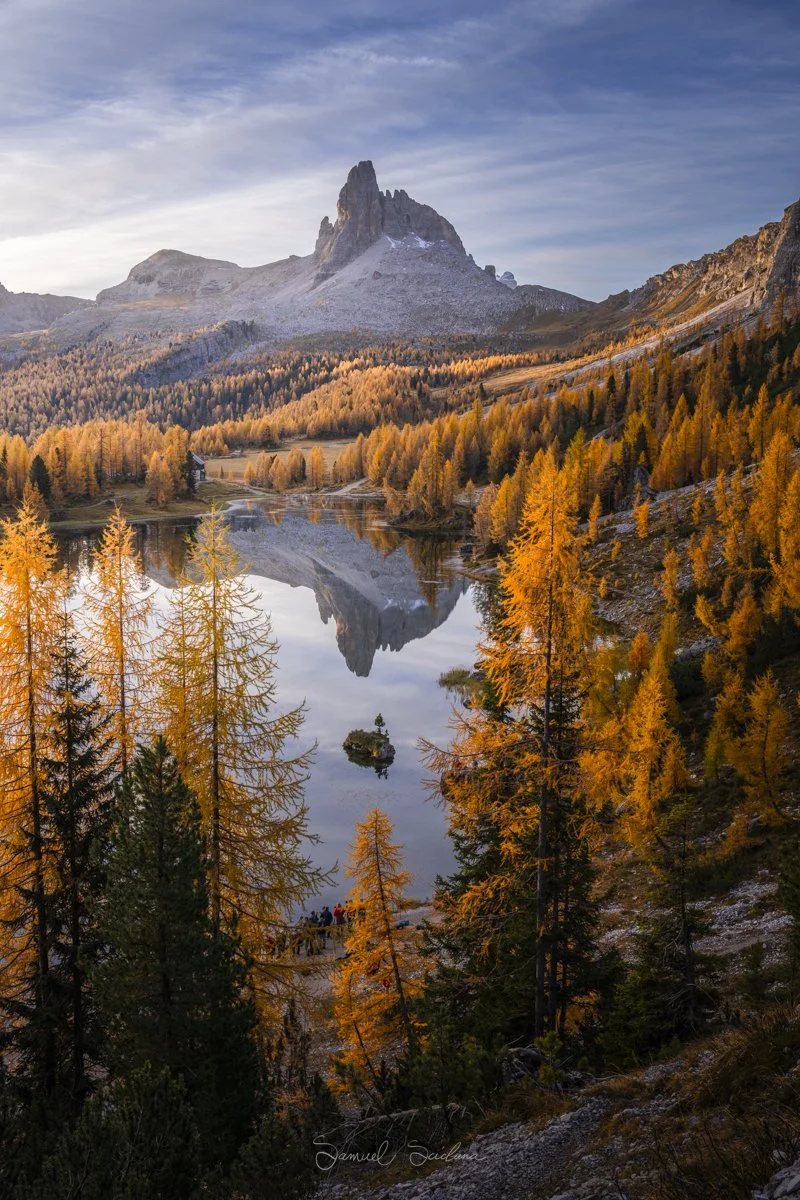
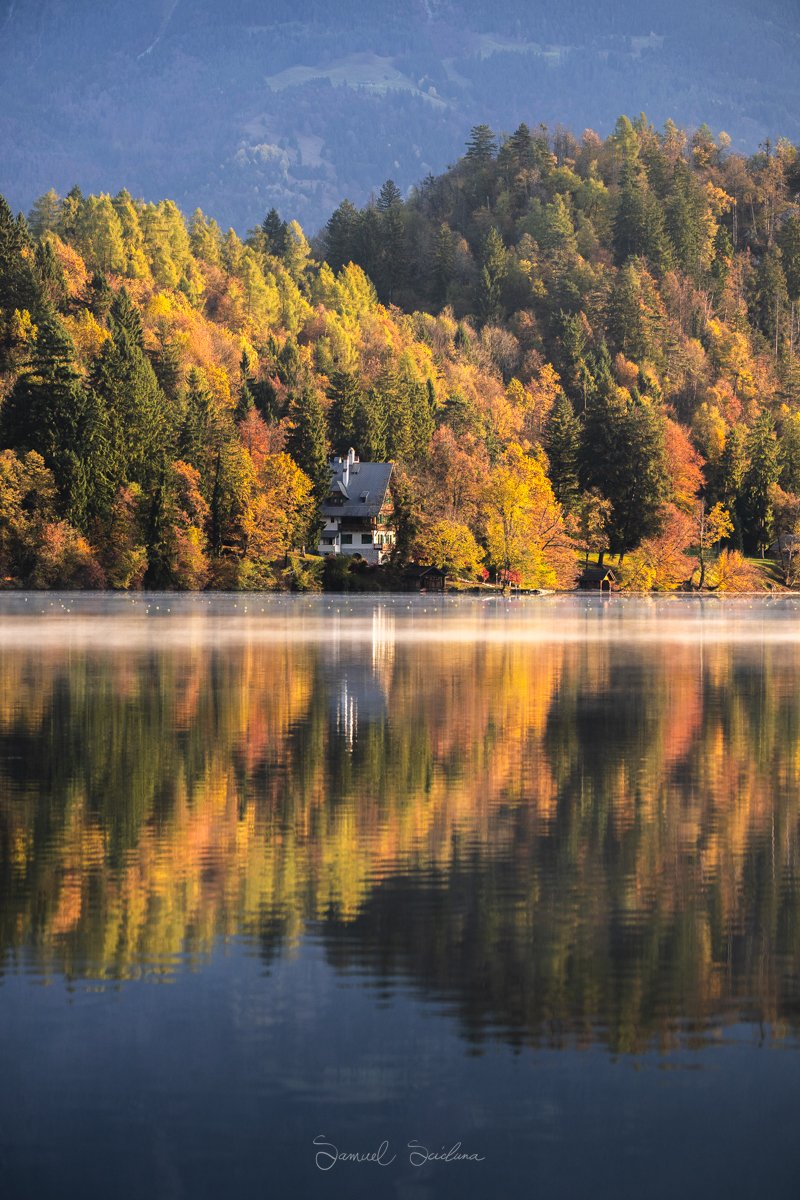
On a still day with little to no wind, use a still lake or puddle to capture reflections. The reflections effectively double the amount of colour in your image.
12. Use a drone
Where possible (And allowed), use a drone to be able to find fall colours and capture them. Flying a drone opens up a world of opportunity and enables you to find perspectives and compositions that are otherwise impossible to capture.