
In the world of landscape photography, we are conditioned to believe that "newer is always better." When DJI announced the Mavic 4 Pro, the spec sheet was undeniably impressive: a 100MP Hasselblad sensor, 6K video, Longer battery life, better range, and finally, the revolutionary Infinity Gimbal, allowing us to capture full resolution vertical images. It sounded like it would be better than the Mavic 3 Pro in every way…. But is it?
After looking closely at the details and reading multiple reviews and first impressions, I had my doubts. Although on paper it looked significantly better than the Mavic 3 Pro, I had to weigh it against my reality as a mountain photographer, I made a decision that surprised even myself: I’m sticking with my Mavic 3 Pro.
For many, the upgrade is a no-brainer. But for those of us who carry our gear on our backs for miles, the "upgrade" comes with a cost that isn't just financial. Here is why the Mavic 4 Pro isn't the right tool for my kit.
1. Size and Weight
As a landscape photographer, I spend most of my time shooting in the wild, in remote places like a mountain summit at sunrise. Reaching those spots requires miles of hiking, whilst carrying all my gear, snacks, water and extra layers. Weight is always a major consideration of mine when looking at changing or upgrading gear.
The Mavic 4 Pro has grown. It weighs in at approximately 1,063g, compared to the 958g of the Mavic 3 Pro. While a 100-gram difference might seem trivial on paper, it’s part of a larger trend of increasing bulk. The folded dimensions have also increased, taking up more precious space in my camera bag. The new DJI RC Pro 2 is also significantly bigger and heavier (750 grams) than its predecessor (420 Grams), the DJI RC 2.
2. Vertical Shooting
The most tempting feature of the Mavic 4 Pro was the promise of true vertical shooting. Like many of you, I want my content to look great on high-res displays and social media without the quality loss of cropping my images or the hassle of stitching and warping a veritcal panorama.
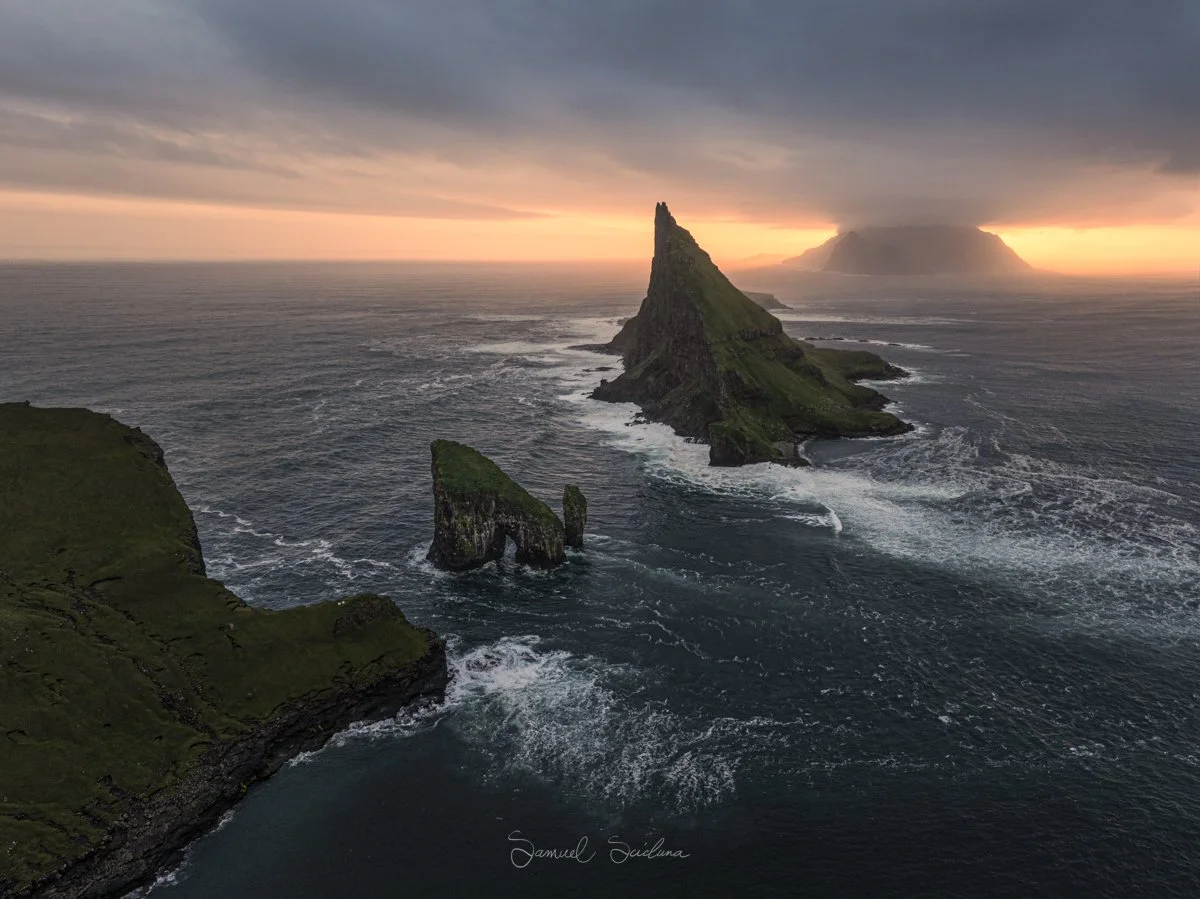
However, the Mavic 4 Pro’s vertical mode comes with a significant caveat, because of the new "Infinity Gimbal" design, the range of motion in vertical mode is mechanically limited to around 15 degrees below the horizon. This means you can't tilt the camera up or down as freely as you can in landscape mode. For the dramatic "low-to-high" mountain reveals I love to shoot, this limitation makes the feature feel more like a compromise than a solution.
3. Battery Life
The Mavic 4 Pro has an impressive battery life of 51 minutes (Compared to the 43 minutes of the Mavic 3 Pro). Although this is a significant upgrade, I have 5 batteries for my Mavic 3 Pro, and generally don’t use a full battery each flight anyway, so in reality, whilst the increase in battery life is impressive, it wasn’t enough to convince me to upgrade to the Mavic 4 Pro.
4. Speed
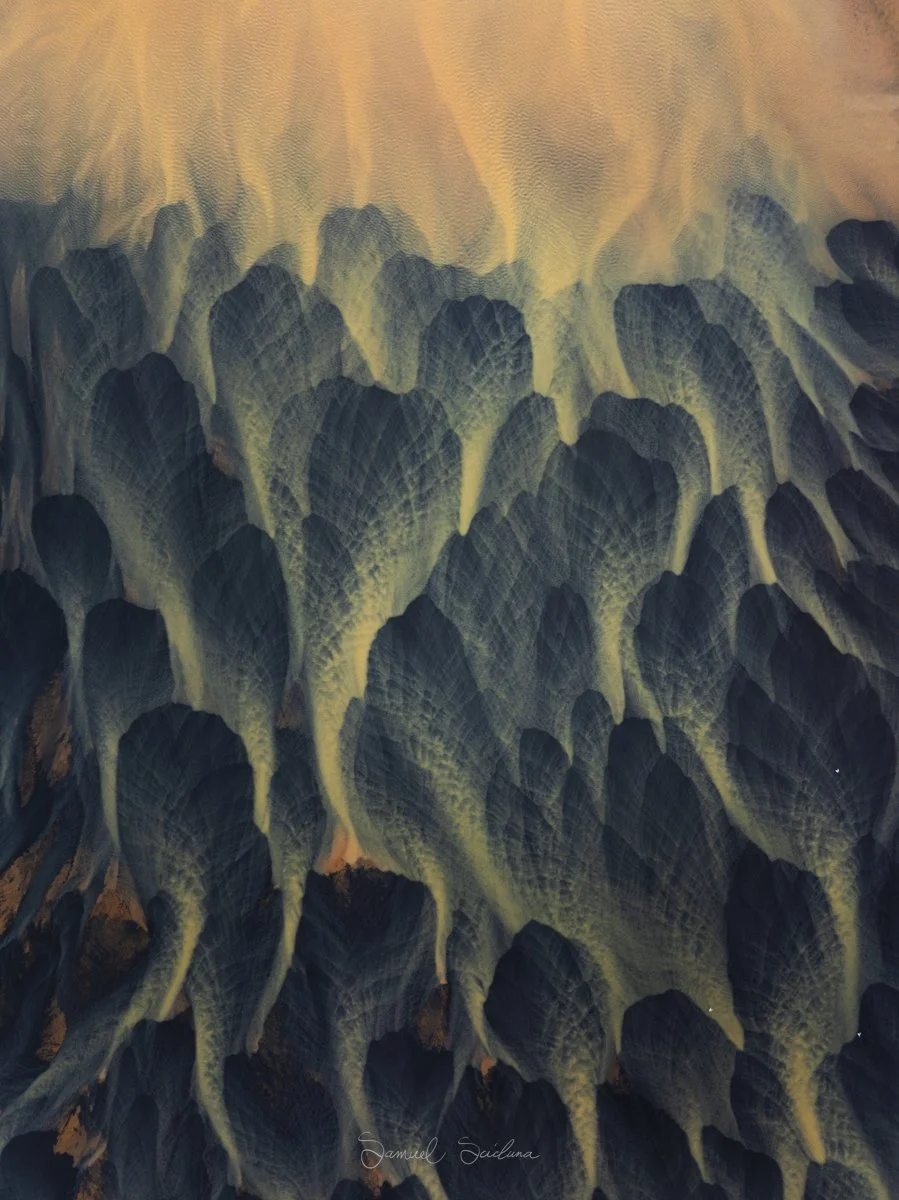
DJI have increased the top speed of the DJI Mavic 4 Pro, which can hit 25 meters per second in sport mode (56MPH), compared to the DJI Mavic 3 Pro, which can do 21 meters per second in sport mode (47MPH). Whilst this speed has some advantages, such as getting to the spot you want to shoot from quickly, before the light changes, it wasn’t enough to persuade me to replace my trusty Mavic 3 Pro.
5. Range
DJI’s new O4+ transmission system claims a staggering 30km range. While that technology is an incredible feat of engineering, it offers very little value to a landscape photographer.
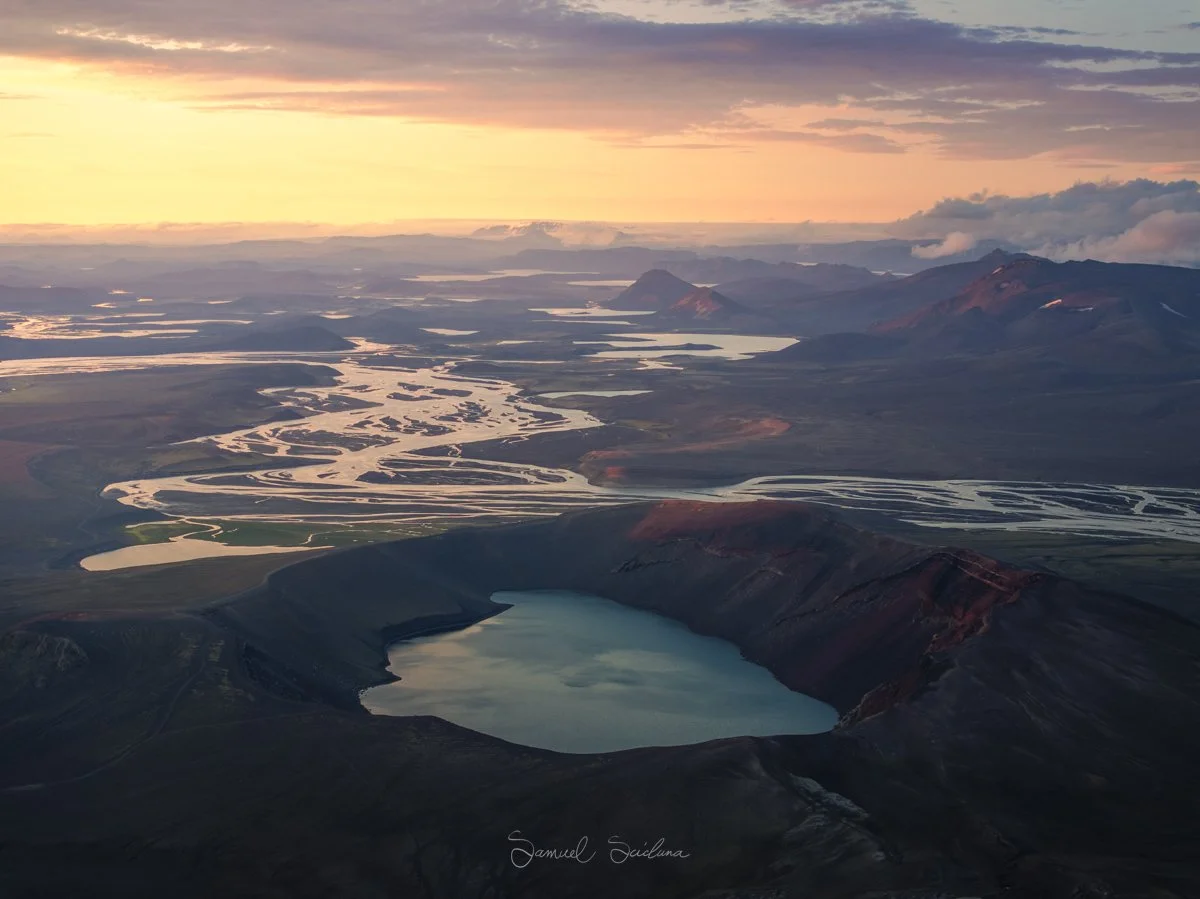
Most of my shots are carefully composed within a 1–2km radius of my takeoff point. Flying a drone 10 miles away isn't just a legal nightmare in most countries; it’s practically useless for capturing the intimate light and shadow of a specific mountain face. The Mavic 3 Pro’s O3+ system is already rock-solid; upgrading to a heavier airframe just to get additional range I’ll never use simply doesn't make sense.
6. The Mavic 3 Pro is still a Beast of a drone!
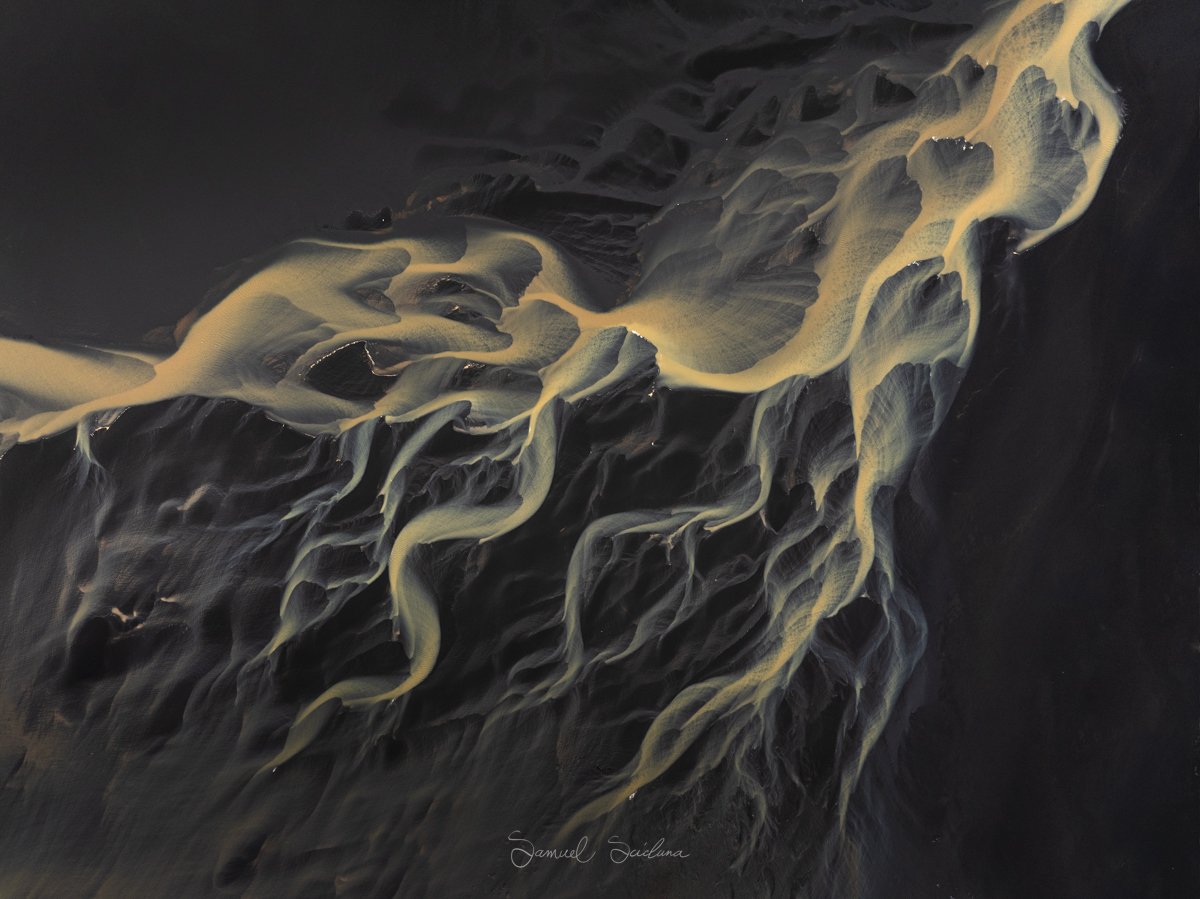
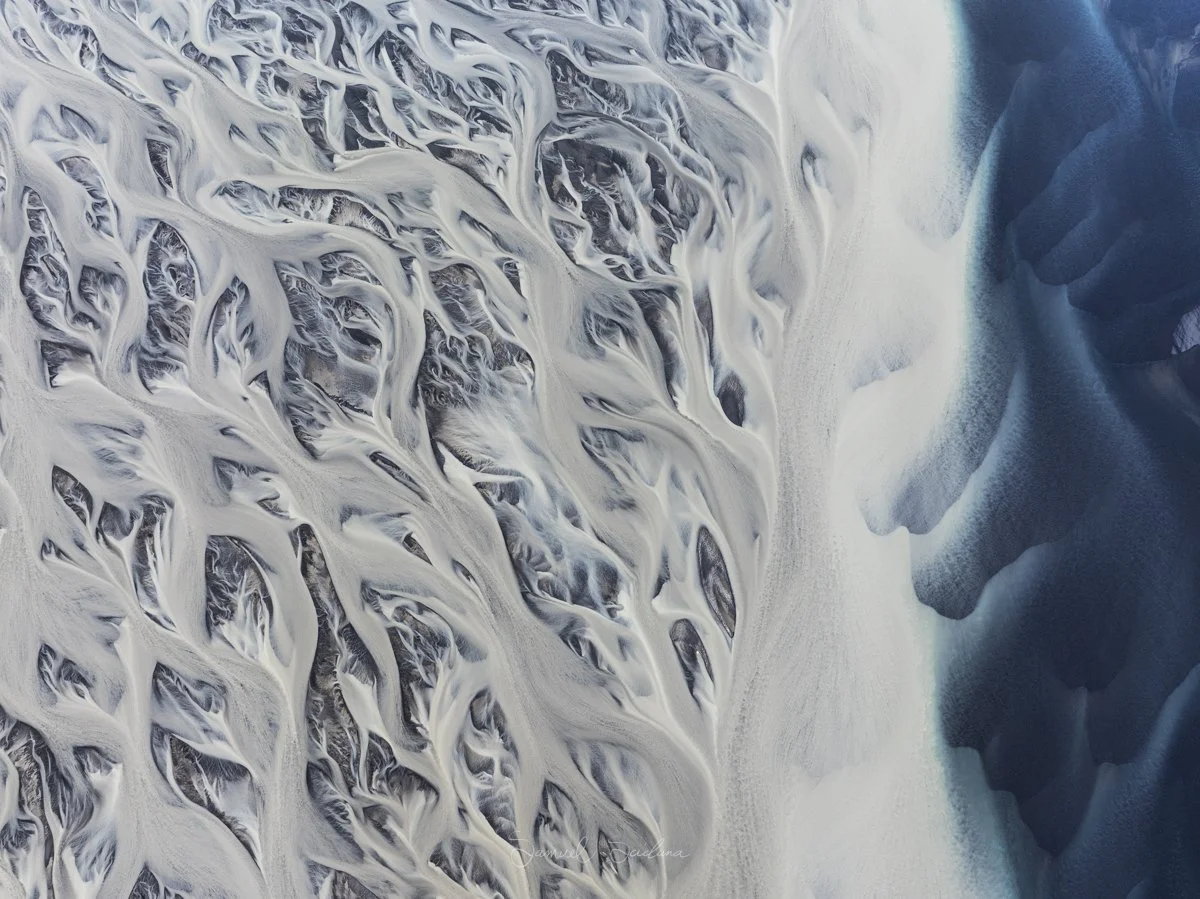
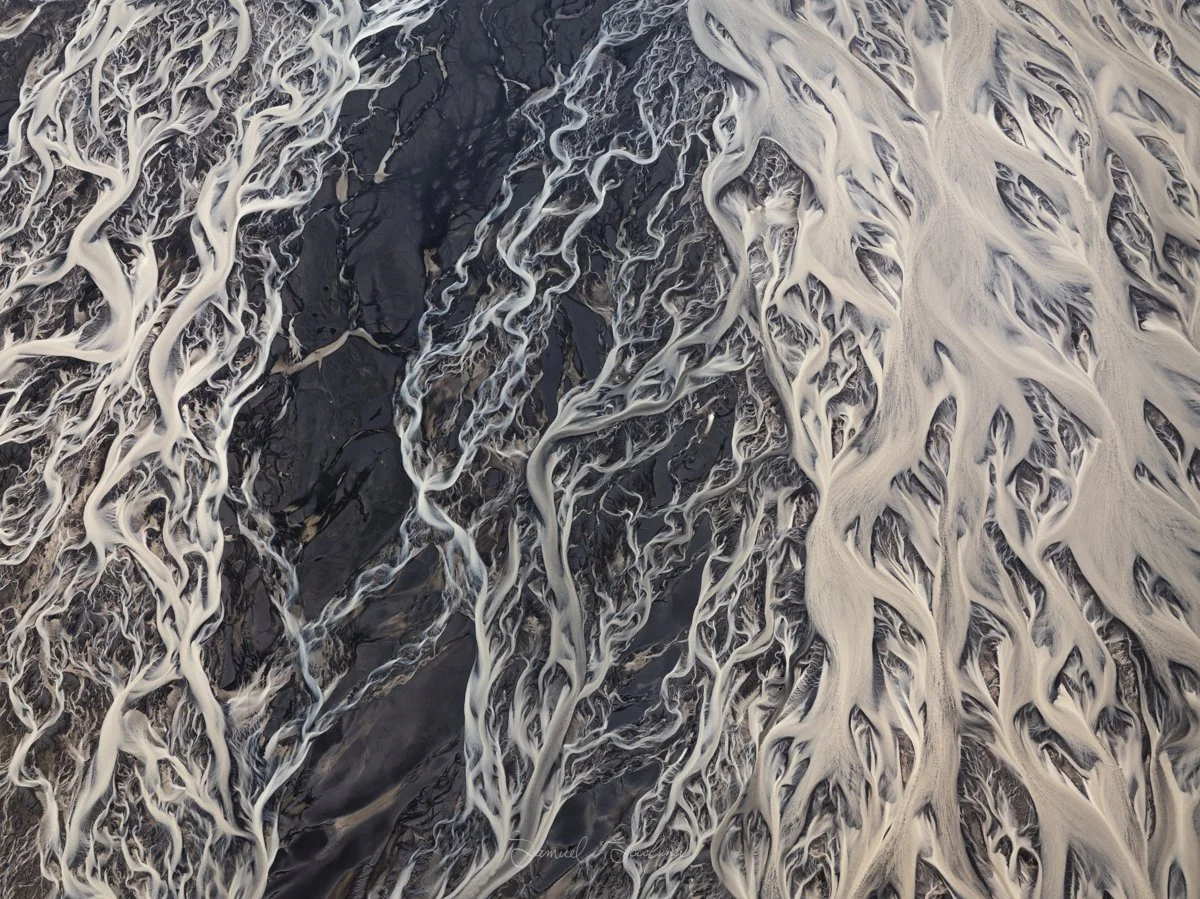
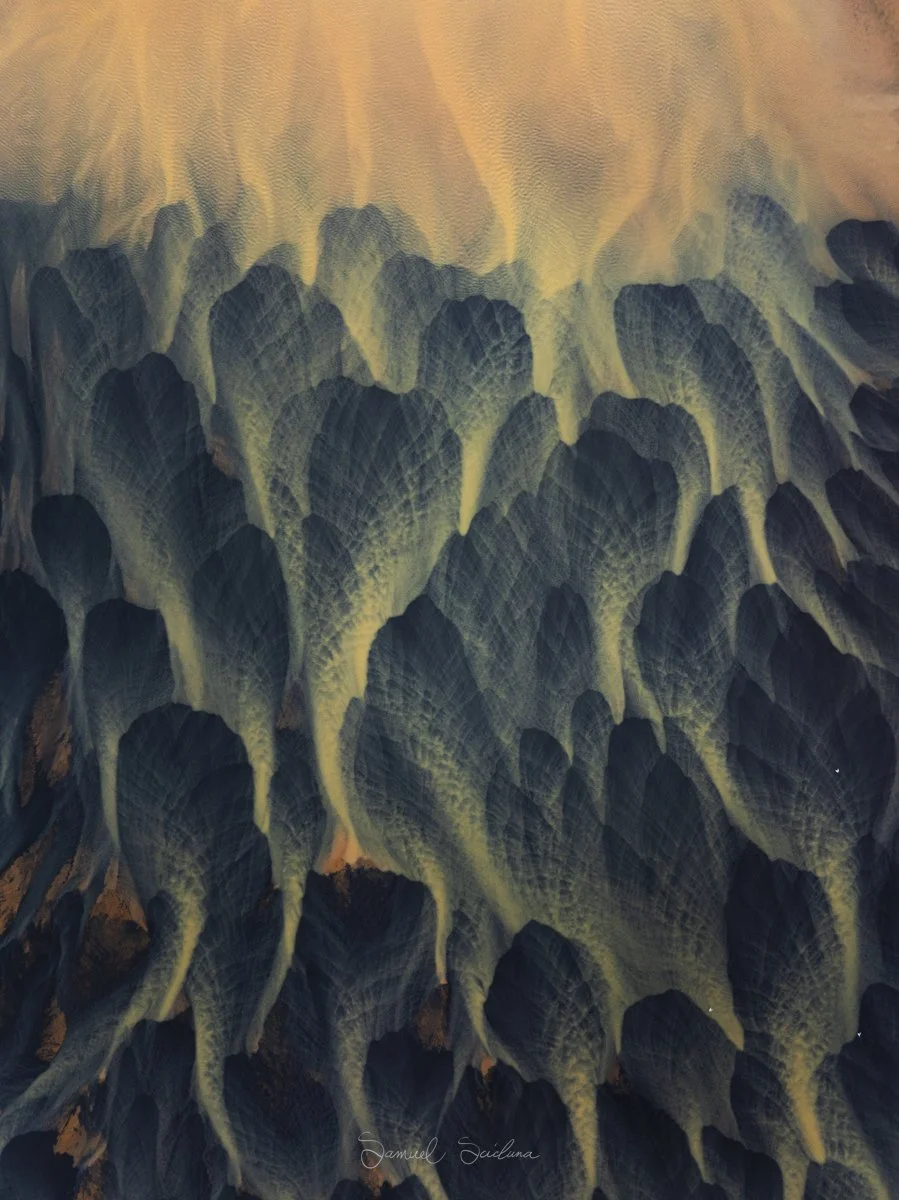
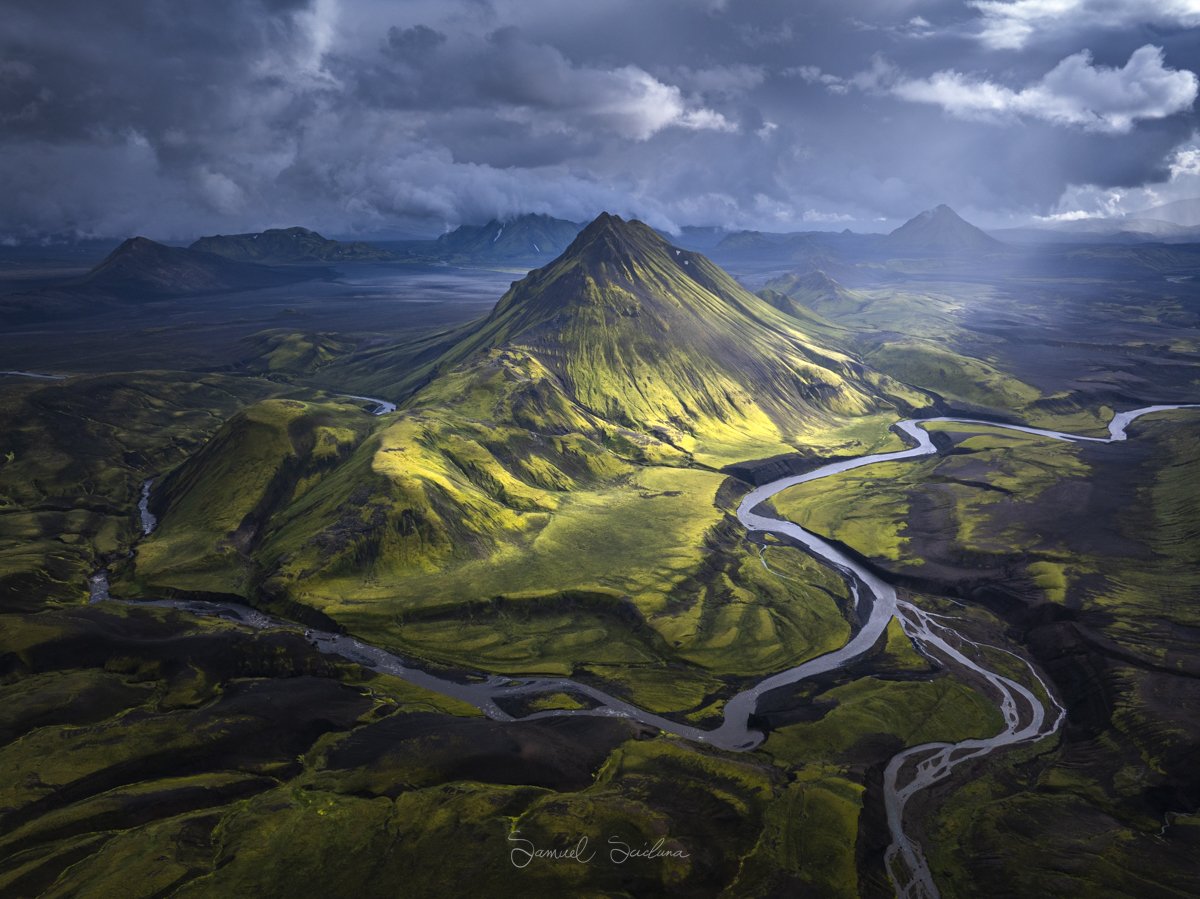
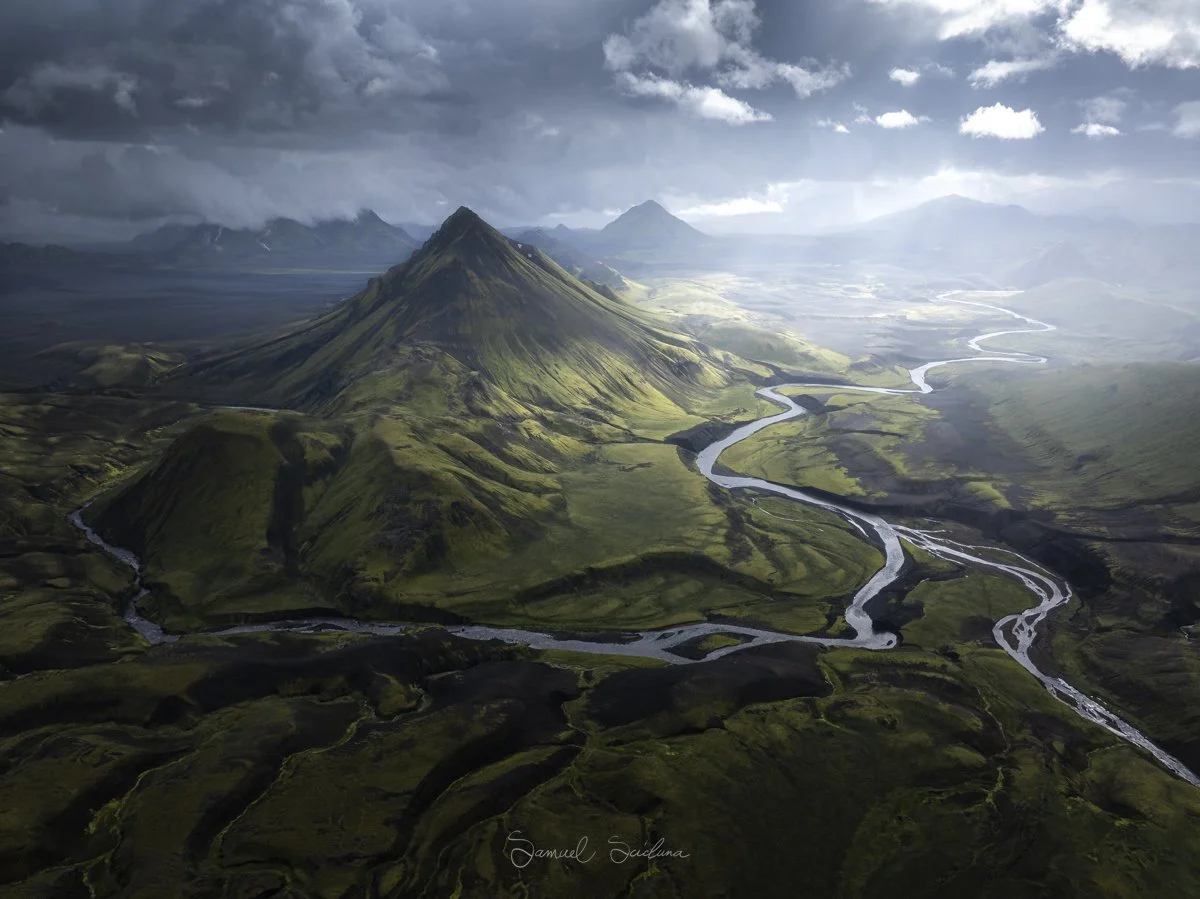
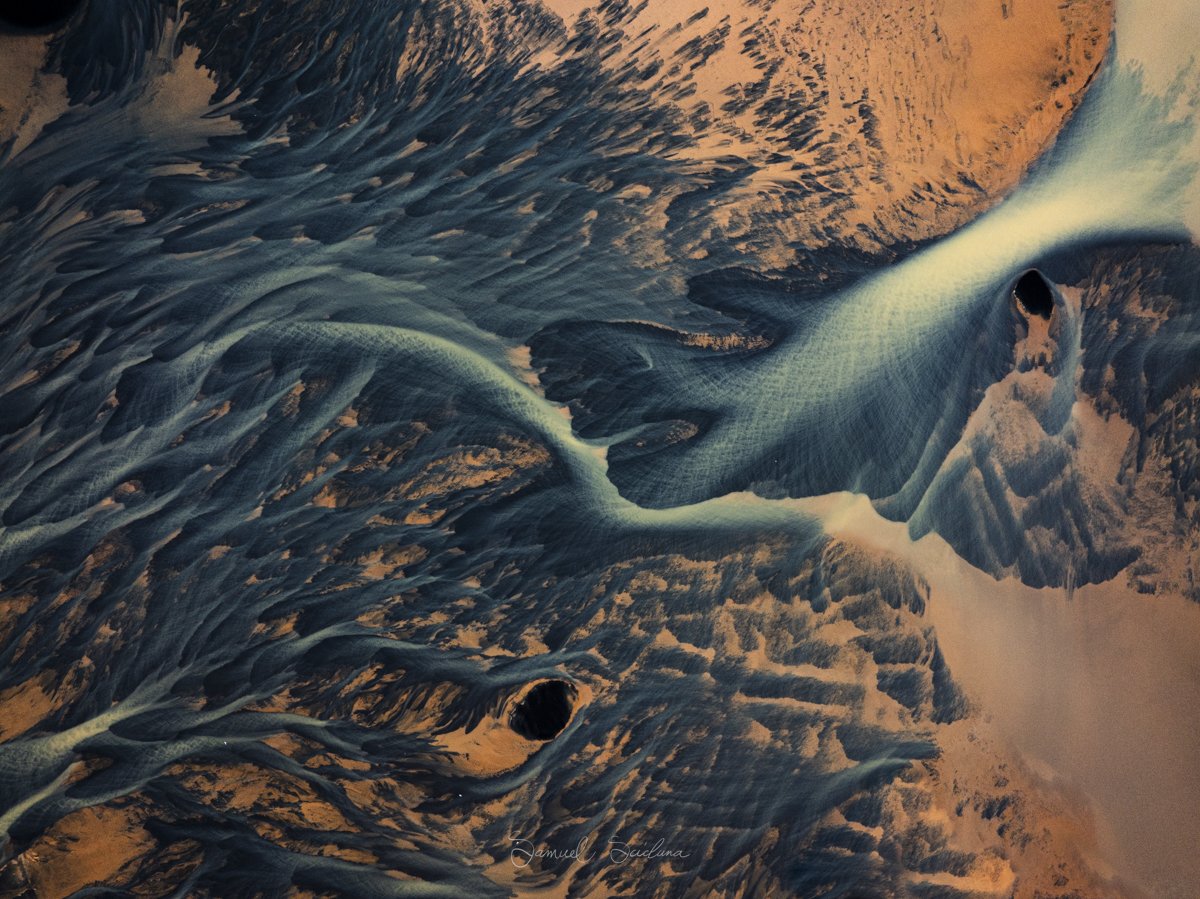
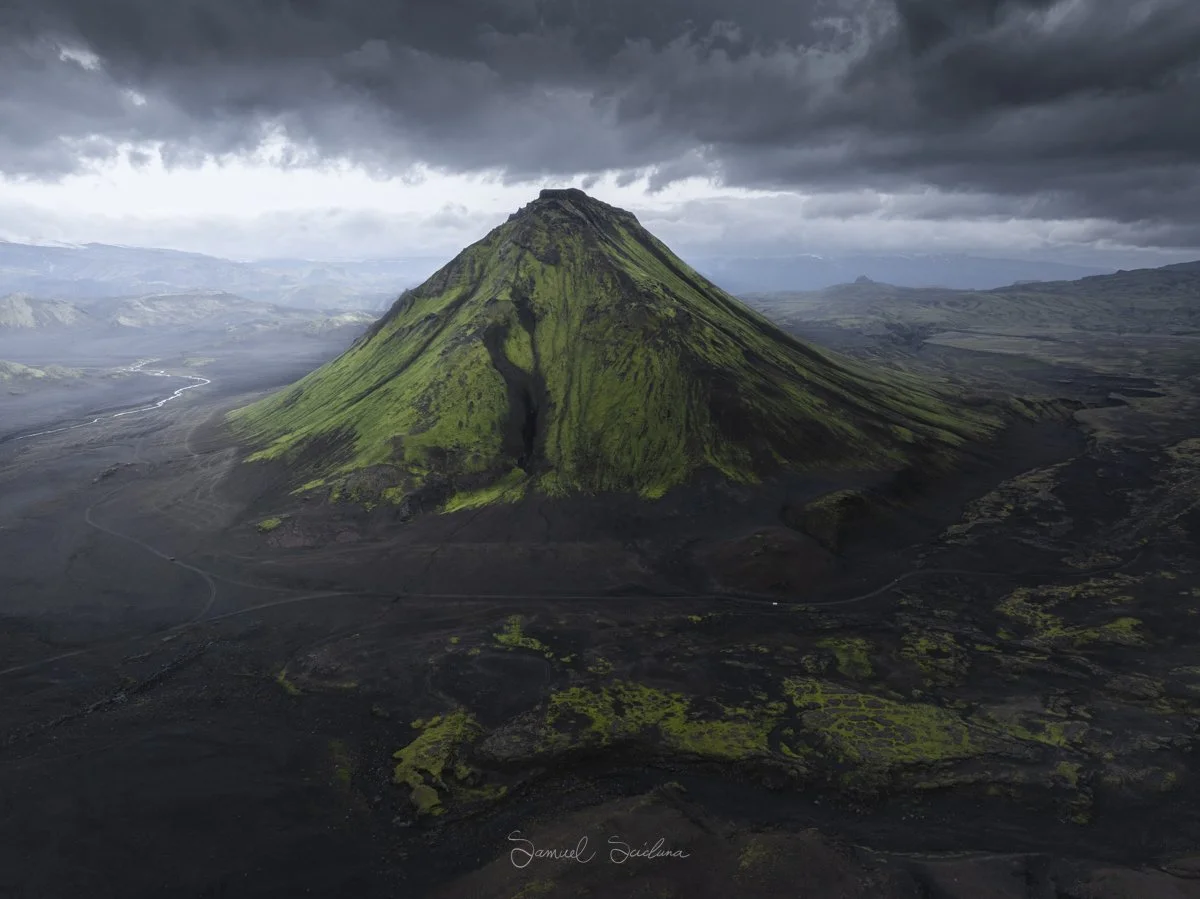
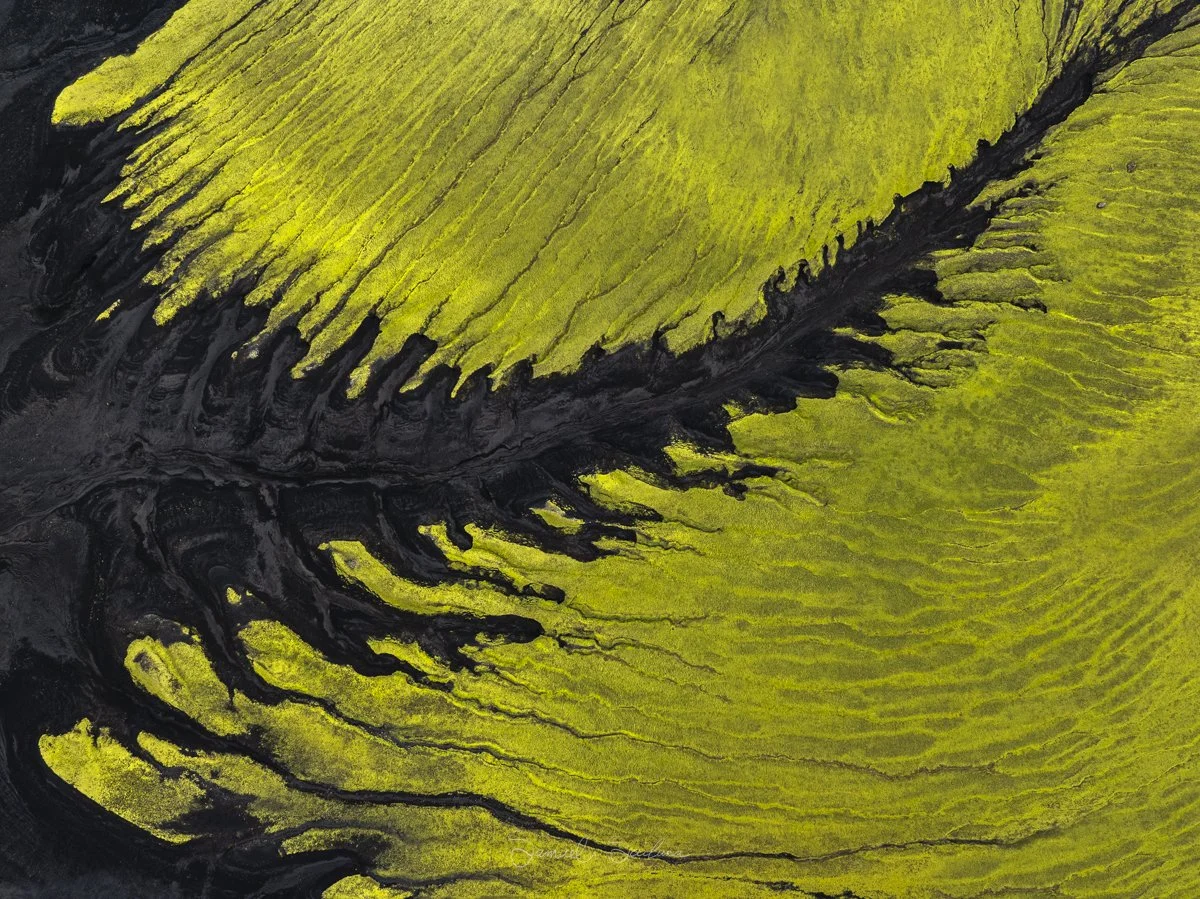
We shouldn't forget that the Mavic 3 Pro is still one of the best imaging tools ever put in the sky. Its triple-camera system (24mm, 70mm, and 166mm) covers every focal length I need, especially considering the Mavic 4 Pro’s main camera now has a slightly longer focal length, meaning you would need to fly higher to get the same top-down shot, such as a braided river, and with flight altitudes already being highly -restricted in most places, having to fly higher to get the same shot just doesn’t make sense to me.
Conclusion: The Best Gear is the Gear You’ll Carry
The Mavic 4 Pro is a masterpiece of technology, and for someone who generally flys their drone from the parking area of a location, I can see it being an overall improvement on its predecessor, but for me, landscape photography is about the experience of being in the wild. I want a drone that I am willing to carry everywhere, including hiking to remote locations, one that delivers world-class files without making me regret the hike. For now, the Mavic 3 Pro remains the perfect balance of power and portability for me, and I won’t be replacing it anytime soon.